Merlin Passes Milestone Toward Certification Of AI-Enabled Autonomous Flight
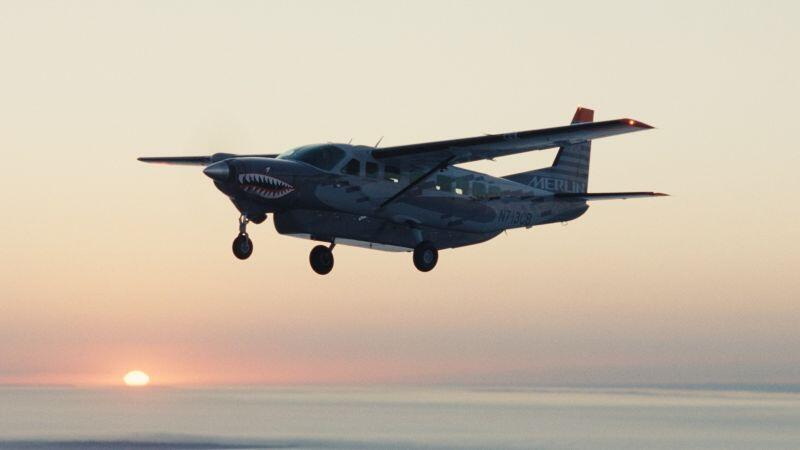
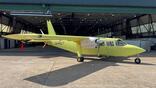
Merlin, the U.S.-based autonomy startup, has reached a certification milestone with the Civil Aviation Authority of New Zealand (CAANZ) in its effort to bring pilot-supervised, AI-enabled autonomous flight to the Cessna Caravan. The work is being conducted under the DO-178 software assurance standard, the rigorous framework the industry uses to certify flight-critical software, signaling that Merlin's system is progressing beyond demonstration flights and into the formal certification pipeline that regulators require before autonomous or reduced-crew operations can be approved for commercial use. New Zealand's CAA has emerged as a relatively agile regulatory partner for advanced air mobility and autonomy programs, giving companies like Merlin a pathway to accumulate certification basis and flight test data outside the more heavily subscribed U.S. and European regulatory queues.
For working pilots, this development is a concrete marker in the slow but steady march toward automation encroaching on tasks traditionally reserved for the flight deck. Merlin's system is explicitly framed as "pilot-supervised," meaning the near-term goal is not to eliminate the pilot but to shift the human role toward monitoring and exception-handling while an AI-driven system manages the aircraft from takeoff to landing. This is directly relevant to Part 135 cargo and regional operators flying Caravans, a workhorse platform for feeder and freight operations, where single-pilot economics and crew-cost pressures make autonomy technology commercially attractive. Pilots flying these routes should watch closely, as certification of a DO-178-compliant autonomy system on a widely used type like the Caravan could become a template that other manufacturers and operators look to replicate on larger or more complex platforms.
The broader significance lies in what this milestone represents for the certification trajectory of AI in flight-critical systems generally. DO-178 was written for deterministic software, and applying it to AI/machine-learning-based autonomy systems has been one of the thorniest unresolved questions facing regulators like the FAA, EASA and ICAO. Progress with CAANZ suggests that a workable certification methodology is starting to take shape, even if the initial application is a turboprop utility aircraft rather than a transport-category jet. This matters far beyond Merlin's own program because any precedent set in AI software assurance will inform how the FAA and EASA eventually approach reduced-crew operations (RCO) on airliners, single-pilot certification for business jets, and BVLOS operations for cargo drones and eVTOL air taxis, all of which depend on regulators accepting AI-based decision-making in safety-critical roles.
For business aviation and advanced air mobility stakeholders, Merlin's progress reinforces a trend already visible across the industry: incremental, type-specific certification of autonomy technology on existing, well-understood airframes as a stepping stone toward more ambitious single-pilot and pilotless operations. Operators and OEMs alike should view this as an early indicator of how quickly the regulatory and technical groundwork is maturing, and pilots across cargo, regional, and business aviation segments should expect autonomy-related supervisory duties, training requirements, and human-machine interface changes to become a growing part of their professional landscape over the coming decade.



 Read original article