Wheels Up Hits Milestones Despite First Quarter Loss
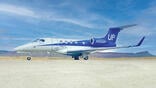
Wheels Up's first quarter 2026 financial results reflect the ongoing cost of a structured turnaround rather than a deteriorating operation, with company leadership characterizing the Q1 loss as expected while pointing to early milestone completion as evidence that its repositioned business model is taking hold. The most operationally significant development cited in the reporting is the completion of fleet modernization to exclusively Embraer Phenom 300 aircraft, a strategic consolidation that eliminates the multi-type complexity that characterized the company's earlier, expansion-era fleet mix. For a large-scale Part 135 operator like Wheels Up, single-fleet standardization carries compounding benefits: unified pilot training and currency requirements, simplified MRO contracting, consistent dispatch reliability metrics, and the ability to optimize scheduling algorithms across a homogenous pool of aircraft.
The shift to an all-Phenom 300 operation is particularly telling given the aircraft's standing in the light jet market. The Phenom 300 series has ranked as the world's best-selling light business jet for multiple consecutive years, and its operating economics align well with the on-demand charter and membership segment Wheels Up serves. Standardizing on that platform positions the company to negotiate more favorable maintenance agreements, reduce parts inventory carrying costs, and maintain crew qualifications more efficiently across a distributed operation. For the fractional and charter market broadly, this kind of fleet rationalization has become a defining characteristic of financially disciplined operators following the speculative expansion period that preceded the 2023–2024 industry correction.
The framing of a Q1 loss as "not surprising" signals to investors and industry observers that Wheels Up is executing against a known recovery timeline rather than encountering unexpected headwinds. The company underwent a significant restructuring beginning in 2023, which included a strategic investment from Delta Air Lines, leadership changes, and a fundamental reorientation away from aggressive membership growth toward sustainable unit economics. Completing major structural milestones ahead of schedule, if the reporting holds, suggests the operational transformation is outpacing the financial drag of legacy costs — a sequencing that typically precedes margin improvement in restructured aviation service businesses.
For working pilots and flight departments monitoring the charter and fractional market, the Wheels Up trajectory carries practical implications. Continued stabilization of major on-demand operators affects aircraft availability, pricing dynamics, and the overall health of the charter brokerage ecosystem that many corporate flight departments rely on as overflow capacity. A leaner, more standardized Wheels Up with a coherent fleet type also makes crew transition paths clearer for pilots considering employment in the managed and charter space. The broader trend of fleet consolidation among large Part 135 operators — mirroring what network airlines accomplished through type rationalization years earlier — reflects a maturation of the business aviation services sector that operators across Part 91, 91K, and 135 will continue to navigate as the market right-sizes following the post-pandemic demand spike.








 Read original article