Southwest Airlines Is No Longer Known As The World's Strongest Airline Brand: Here's What Happened
Southwest Airlines has lost the title of world's strongest airline brand for the first time in years, according to Brand Finance's Airlines 50 2026 report, which placed All Nippon Airways at the top with a Brand Strength Index score of 90.2 and a AAA+ rating. Southwest slipped to 89.1 and an AAA rating, landing in a tie with Japan Airlines for second place. Notably, this marks the first time in the ranking's history that Japanese carriers have occupied two of the top three positions, underscoring a broader shift in how consumer perception of premium service, reliability, and brand consistency is being weighted globally. Brand Finance's methodology blends financial performance data with survey responses from more than 100,000 consumers, measuring reputation, recommendation likelihood, emotional connection, and operational performance—meaning the drop reflects a genuine shift in customer sentiment rather than a purely financial recalculation.
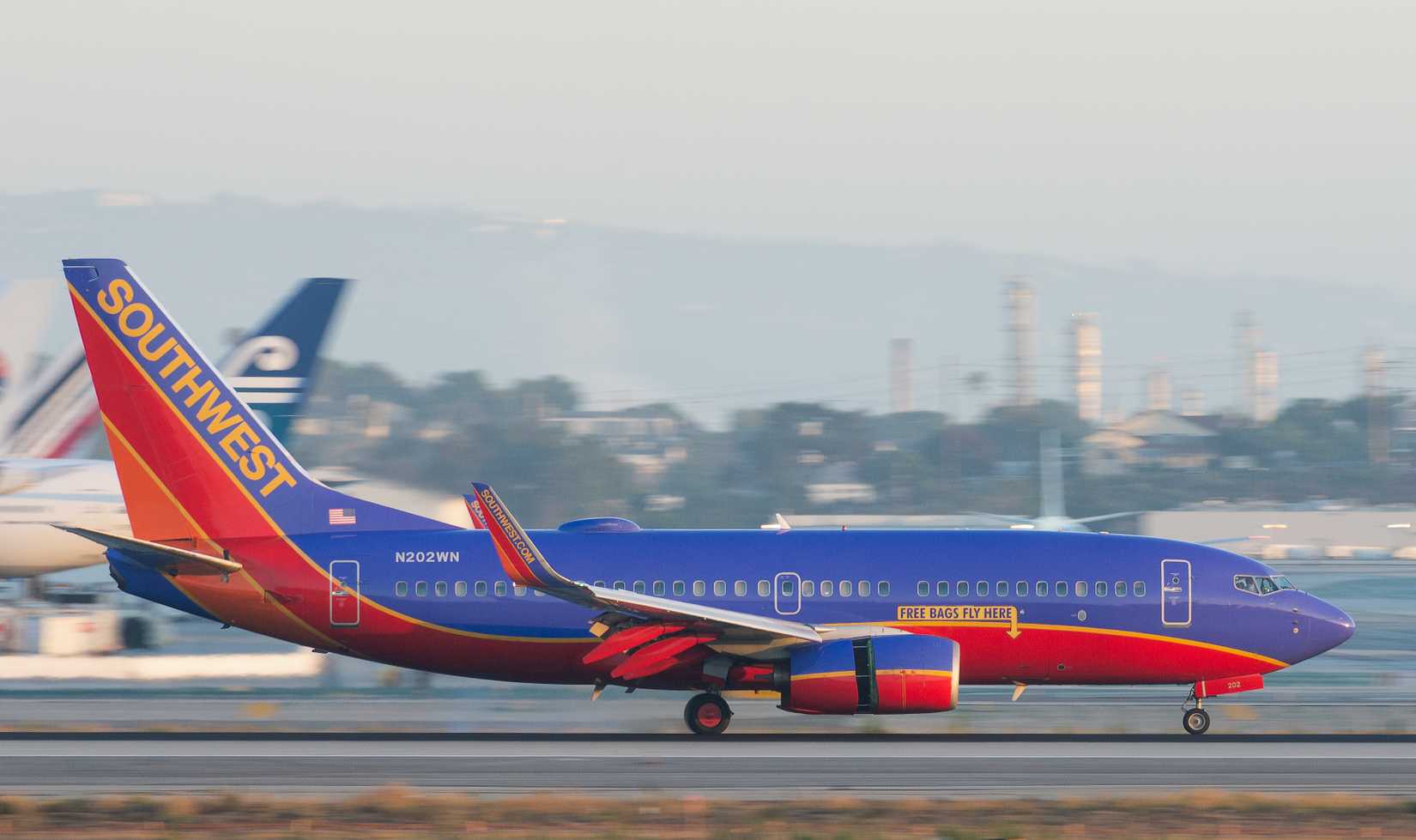
The report draws a direct line between Southwest's decline and two structural changes to its business model: the 2025 elimination of the "Bags Fly Free" policy and the 2026 rollout of basic economy fares with tiered cabin options. Both moves dismantled elements of Southwest's brand identity that had been cultivated since 2008, when the airline turned a simple pricing decision—declining to follow American Airlines and the rest of the industry into checked-bag fees—into a decades-long marketing campaign and a genuine differentiator in a commoditized domestic market. Similarly, the single-class, open-seating cabin was long positioned as a transparent, no-frills alternative to the ancillary-fee-heavy models used by Delta, United, and American. Stripping away both pillars in rapid succession has visibly registered with consumers in the preference and recommendation metrics that feed the BSI score, even though the airline's absolute brand strength remains high by industry standards.
For working pilots and aviation professionals, this story is a useful case study in how commercial strategy decisions ripple outward into brand equity, labor relations, and ultimately operational culture. Southwest's identity as the "different" carrier was not just a marketing conceit—it shaped crew scheduling philosophy, customer interactions, and the operational simplicity of a single aircraft type and single-class cabin. As Southwest pursues revenue diversification through ancillary fees and fare segmentation, it is following the legacy-carrier playbook that it spent nearly fifty years positioning itself against. Pilots at Southwest and observers across the industry should note that this shift arrives alongside other significant changes at the airline, including the abandonment of open seating, network rationalization, and pressure from activist investors (notably Elliott Management) to improve margins. The brand erosion documented by Brand Finance is a quantifiable signal that these changes carry reputational costs, even if they are financially justified in the short term.
More broadly, the ranking reflects a growing bifurcation in global airline branding: carriers that have doubled down on premium consistency and service differentiation—ANA and JAL chief among them—are gaining ground in brand perception, while U.S. carriers increasingly converge on fee-based revenue models that prioritize near-term unit economics over brand distinctiveness. For business aviation and corporate flight departments that benchmark against commercial service standards, and for airline management teams weighing similar ancillary-revenue strategies, the Southwest case illustrates that brand strength and customer loyalty are not infinite reservoirs. They can be drawn down deliberately through strategic choices, and the Brand Finance data suggests that Southwest's transformation—however financially rational—has begun to cost the company the very identity that once made it an outlier in a fee-driven industry. Whether this represents a temporary adjustment period or the start of a longer erosion will depend on how Southwest manages the remainder of its transition and whether operational performance and service quality remain strong enough to offset the loss of its signature policies.





 Read original article