No More Flagship? American Airlines Cuts Upgrade Eligibility For Elite Fliers On Some Flights
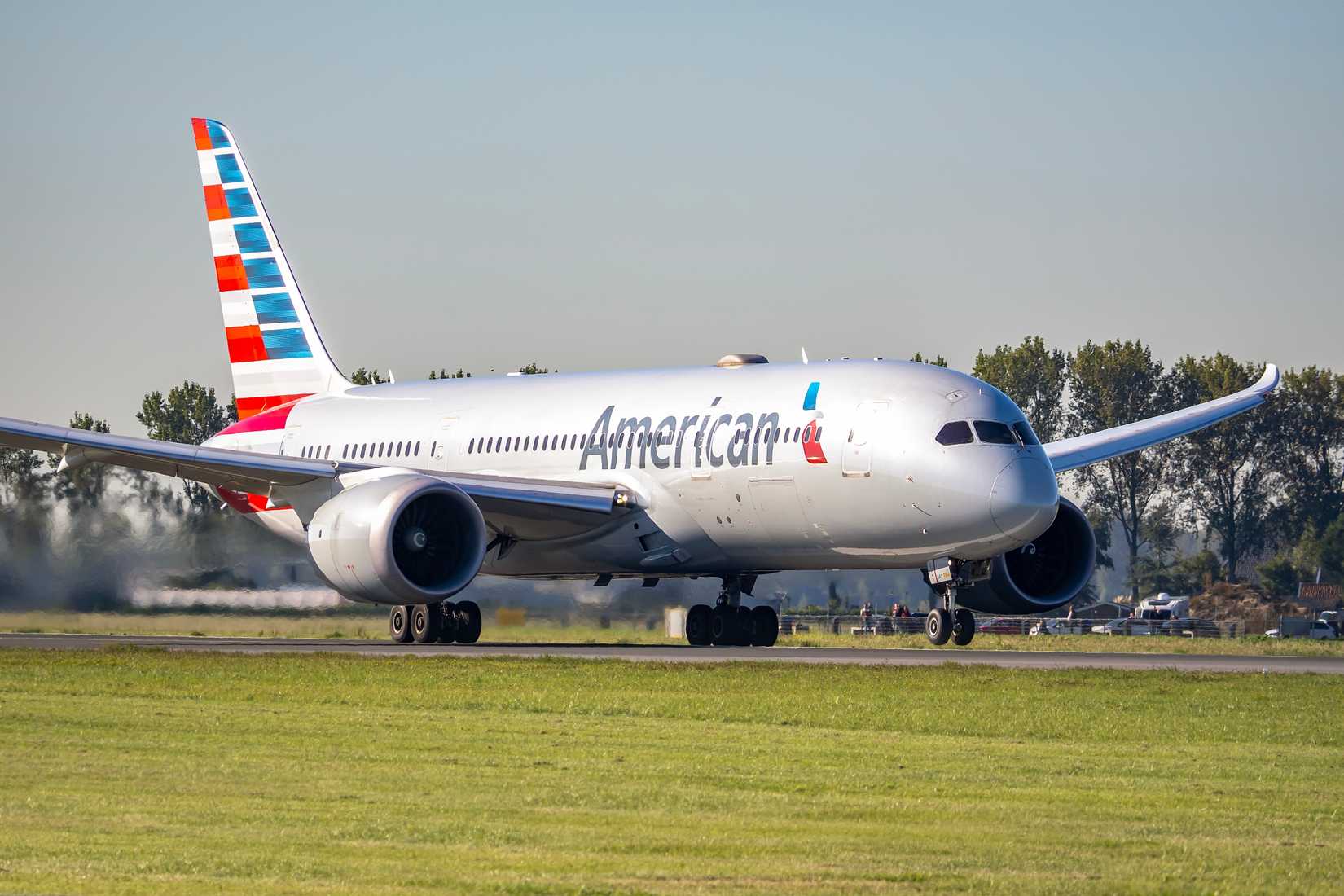
American Airlines is restructuring complimentary upgrade eligibility for AAdvantage elite members, introducing a fleet-dependent, cabin-tiered system that takes effect August 25. The core change: on flights operated by aircraft with a dedicated Premium Economy cabin—including the new Airbus A321XLR, Boeing 777-200ER, and 787-8/-9 Dreamliners—Main Cabin elites will now be defaulted into complimentary upgrades to Premium Economy rather than Flagship Business, the lie-flat product they previously could access directly. Only passengers who already hold a Premium Economy ticket, purchase an Instant Upgrade, or fly on aircraft lacking a Premium Economy cabin (namely the legacy A321T "Transcon" and standard A321neo) retain a direct path to Flagship Business from Main Cabin. This creates a scenario where two elites on the identical city pair—say JFK-LAX—face materially different upgrade outcomes purely based on equipment type, with nine routes initially affected, concentrated on transcontinental and Hawaii markets.
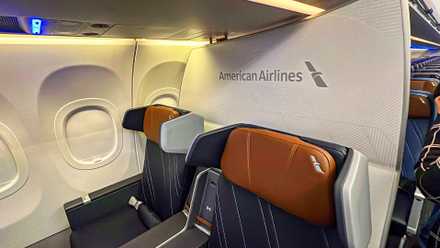
For working pilots, particularly those flying for American or observing network carrier trends, this matters less as an operational issue and more as a signal of how premium cabin economics are evolving fleet-wide. The A321XLR's introduction of a 12-seat Premium Economy cabin between Main Cabin and 20 Flagship Suites effectively inserts a new revenue-protecting buffer that didn't exist on the A321T. Crews transitioning between these two Airbus narrowbody variants will need to be fluent in explaining substantially different upgrade logic to confused elite passengers at the gate and in-flight, even though the aircraft look similar from a flight deck operations standpoint. This is a customer service and revenue management issue that flight attendants and gate agents will bear the brunt of, but pilots flying premium transcon and Hawaii routes should expect more first-class and business cabin inquiries and potential friction from elite flyers accustomed to guaranteed Flagship access.
More broadly, this move reflects an industry-wide pattern among legacy carriers—American, Delta, and United alike—of unbundling premium products into finer revenue tiers to monetize each cabin segment independently rather than allowing elite status to "leapfrog" a purchasable product. Premium Economy has become a deliberate profit center rather than a stepping-stone, and carriers are increasingly protecting lie-flat business seats for outright sale, paid upgrades, or systemwide upgrade certificates rather than complimentary elite upgrades. This mirrors trends seen in loyalty program devaluations across the industry over the past several years, where earning and redemption structures increasingly favor revenue generation over elite goodwill. Pilots operating widebody and XLR-type long-haul-capable narrowbody equipment on transcon and Hawaii routes will likely see continued divergence in cabin-service complexity as airlines phase in more three- and four-cabin configurations on aircraft that previously offered simpler two-class premium layouts.
Finally, this development is instructive for how fleet planning decisions cascade into commercial policy. American's own materials acknowledge that widebody-served routes like MIA-LAX could see similar changes as the airline expands three-cabin configurations across its network. As more A321XLRs enter service and Dreamliner-heavy widebody swaps continue displacing A321T Transcons on premium routes, the industry is signaling a long-term shift away from generous complimentary upgrade cultures toward tightly segmented, purchase-driven premium cabin access—a trend flight crews, schedulers, and revenue teams alike should anticipate becoming the norm rather than the exception across major U.S. carriers.









 Read original article