6 Of The Most Comfortable Business Class Seats You Can Book Today
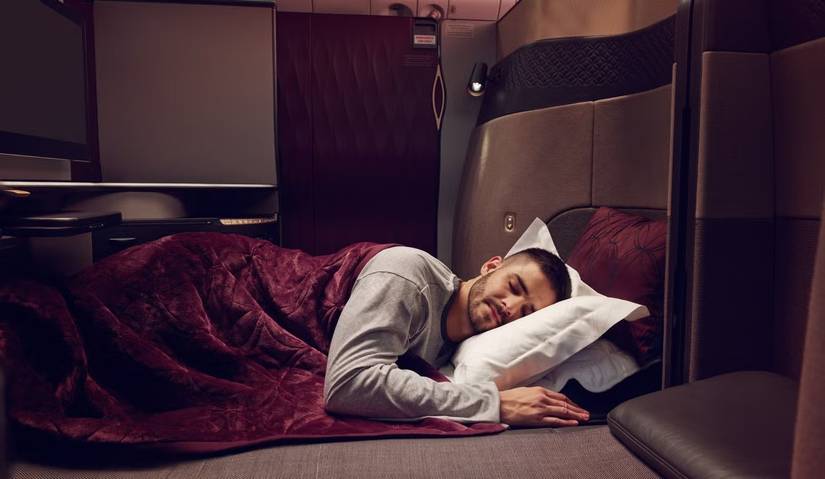
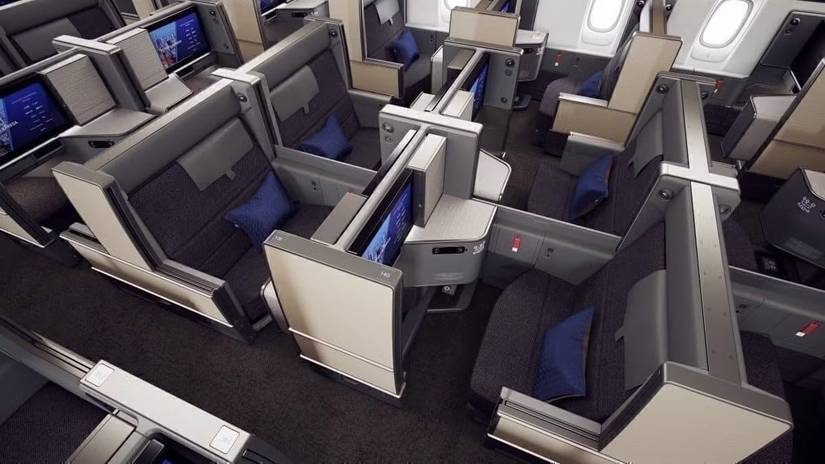
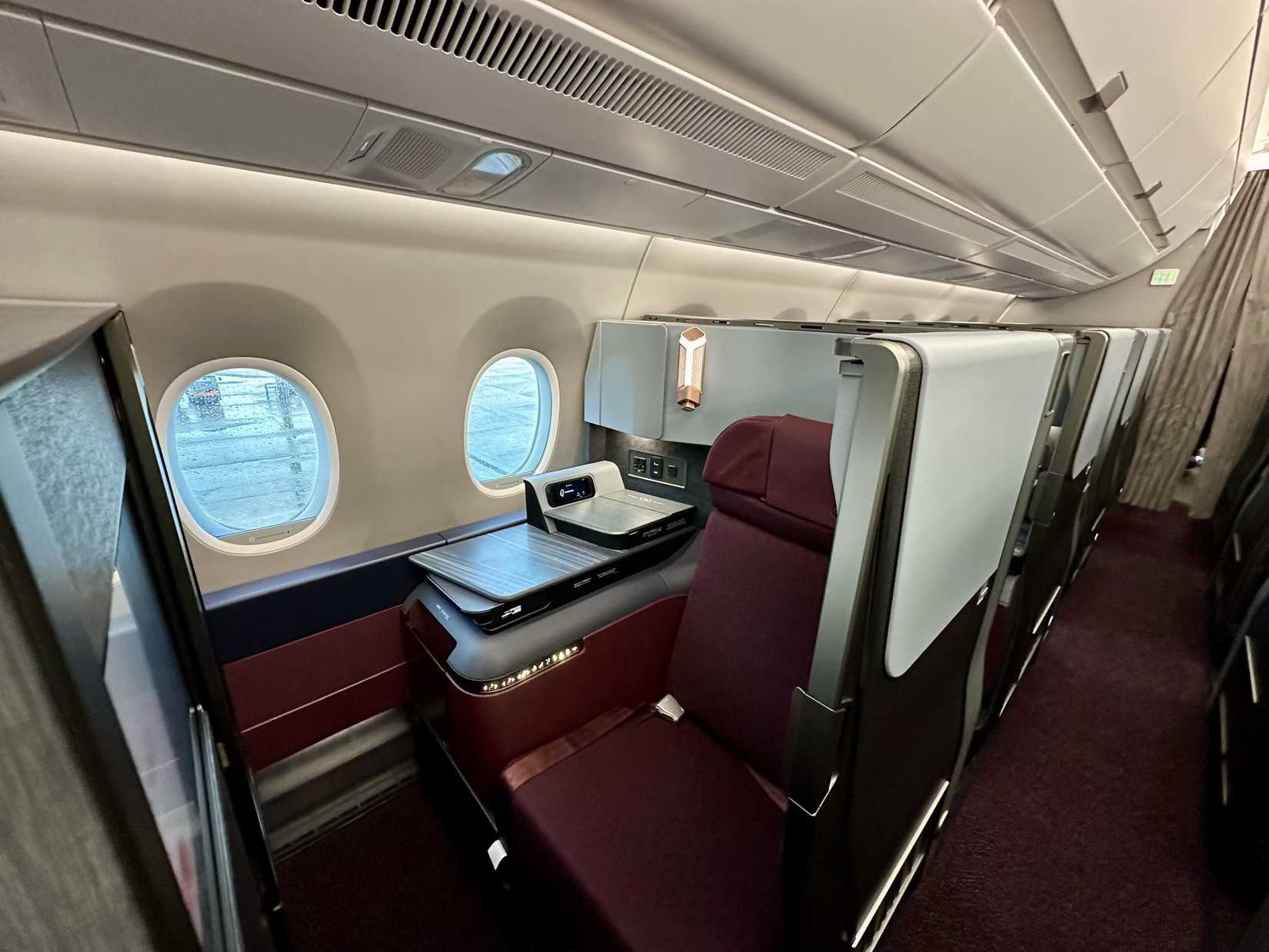
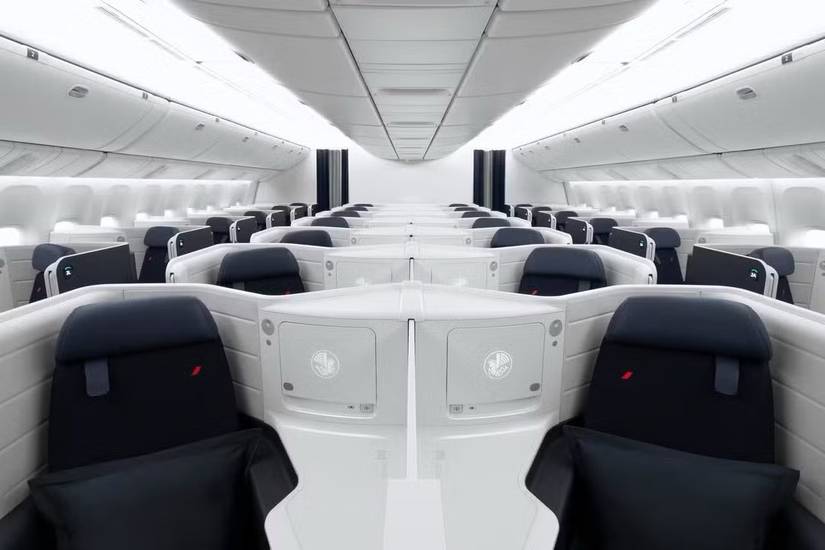
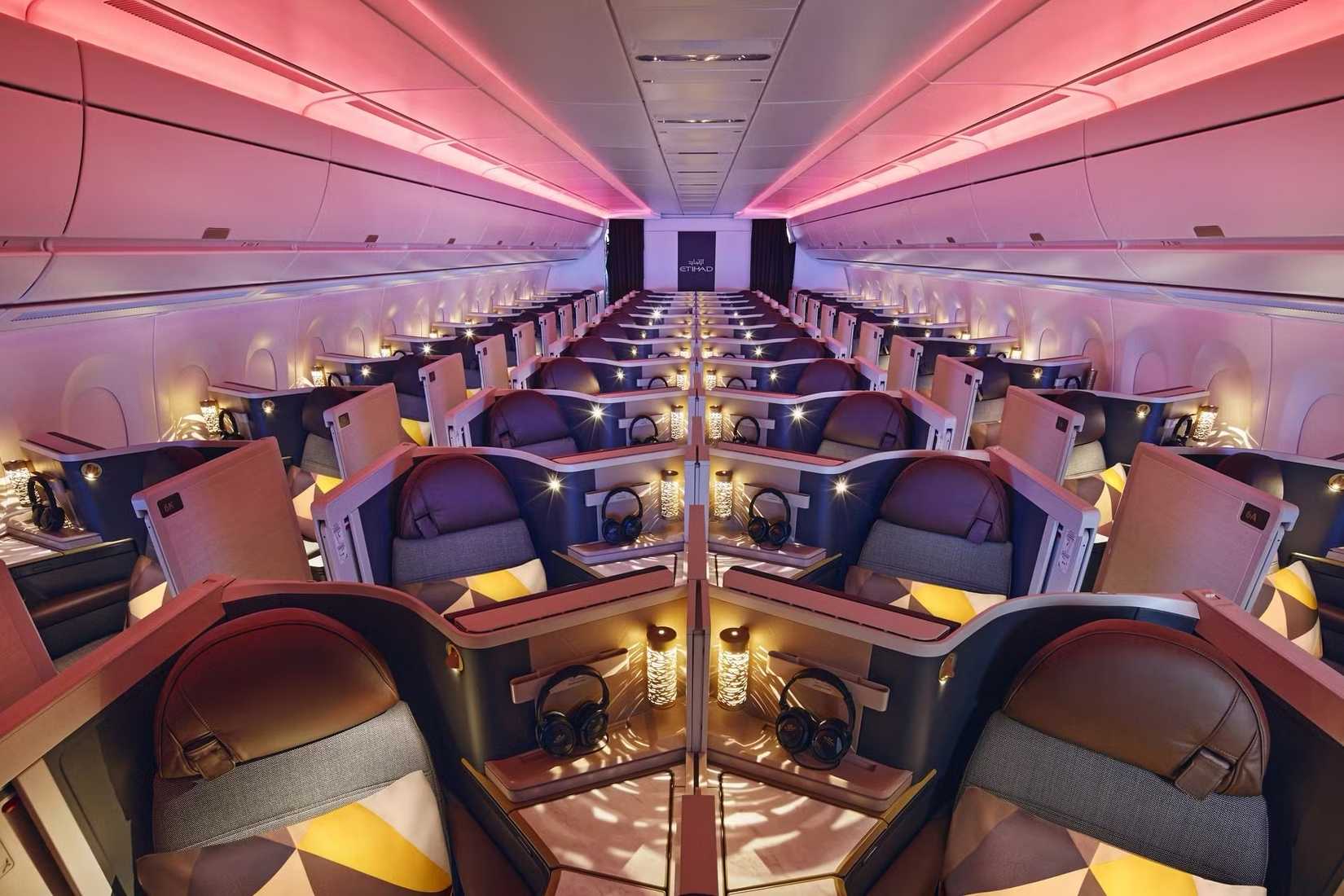
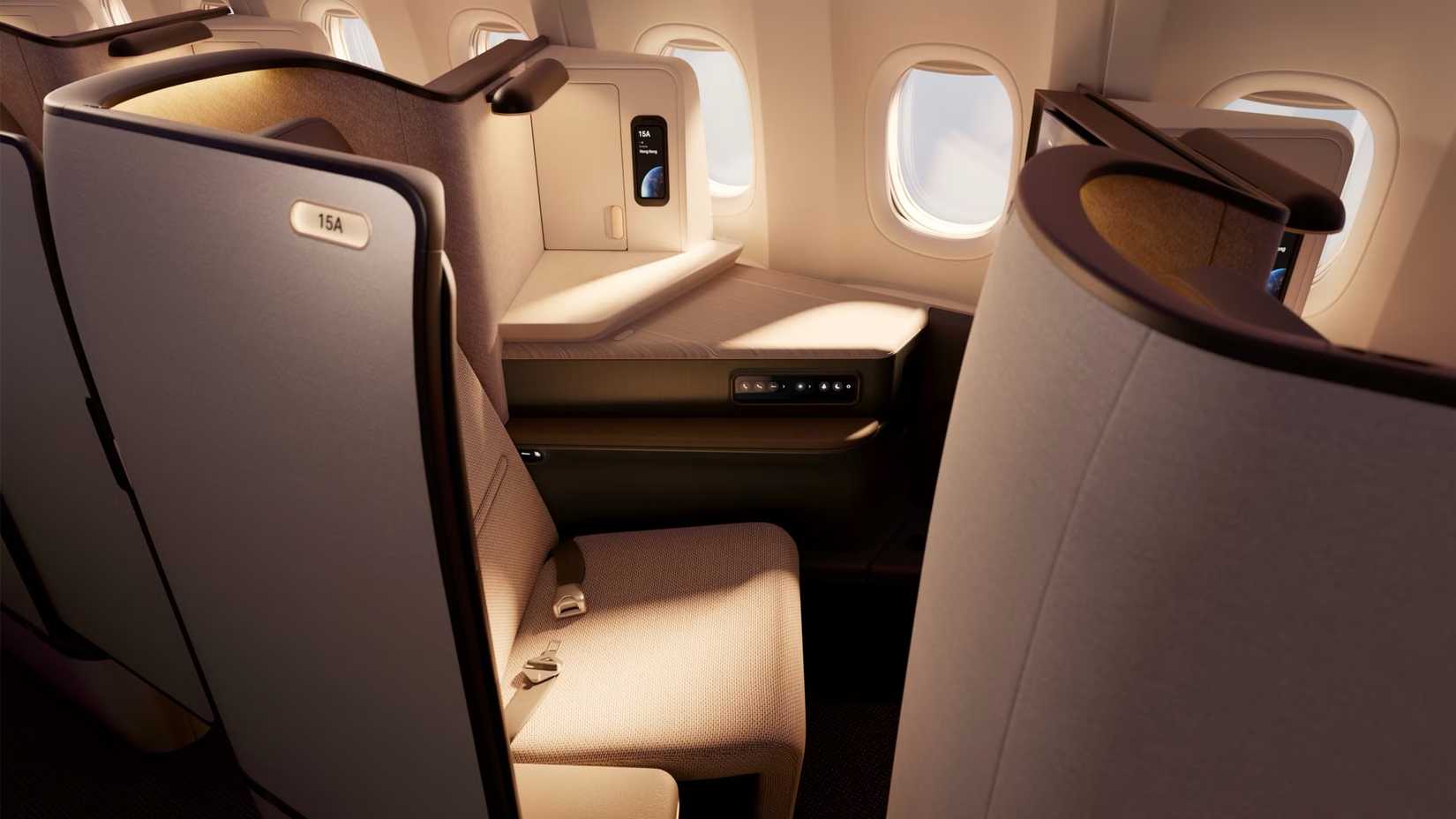
The proliferation of premium business class products highlighted in this roundup—Qatar Airways' Qsuite, ANA's "The Room," and Japan Airlines' new A350-1000 suite—reflects an industry-wide arms race in the long-haul premium cabin that has direct relevance to corporate flight departments and business travelers who influence airline selection for company travel. Each of these products emphasizes three converging design priorities: sliding doors for acoustic and visual privacy, generous personal space that exceeds the traditional herringbone or reverse-herringbone footprint, and thoughtful ergonomic details like armrest height, footwell geometry, and mattress quality that directly affect a traveler's ability to arrive rested and productive. For corporate travel managers and pilots who often fly commercially between assignments, simulator recurrent training, or long-haul deadhead legs, these distinctions are not merely aspirational—they translate into measurable differences in crew rest quality and jet lag mitigation on international rotations.
The technical benchmarks described—door height (52 inches on JAL's new suite), bed length (over six feet six inches), seat width (up to 38 inches on ANA), and IFE screen size (24-inch panels)—illustrate how airlines are competitizing on hard-product specifications that were unheard of a decade ago. This matters to the aviation industry broadly because premium cabin revenue has become the primary profit driver for many long-haul carriers, often subsidizing thinner margins in economy. Aircraft manufacturers and cabin interior suppliers such as Safran, Collins Aerospace, and Thompson Aero Seating are responding to this demand signal by developing increasingly modular suite architectures compatible with widebody platforms like the Airbus A350 and Boeing 777/787 family, which airlines are selecting partly based on their capacity to support these next-generation business class configurations.
For flight crews and operators in the business aviation and corporate flight department world, this trend carries a secondary but important implication: the widening gap between elite commercial business class and standard first class has begun to compress the traditional argument for chartering a light or midsize business jet purely on the basis of privacy or comfort for long-haul international legs. When a Qsuite or "The Room" offers a fully enclosed, lie-flat suite with direct aisle access, doorway privacy, and dedicated storage, the comfort differential between commercial premium travel and a non-stop Part 91 or 135 charter narrows considerably for city pairs served by these carriers, even as charter operators continue to win on schedule flexibility, security, and avoidance of hub connections.
Finally, this development sits within a broader pattern of airlines using premium cabin innovation as a competitive differentiator amid intensifying transpacific and transatlantic capacity growth. Carriers such as Qatar Airways, ANA, and Japan Airlines are explicitly targeting high-yield corporate accounts and premium leisure travelers who increasingly expect first-class-level privacy at business class fares. Pilots operating international long-haul routes, as well as scheduling and crew-rest planners, should note that these hard-product upgrades are increasingly factored into airline crew-positioning policies and interline agreements, since rest quality on commercial repositioning flights affects duty-time recovery and fatigue risk management under FAA and ICAO fatigue guidelines.








 Read original article