The Passenger-To-Freighter Boom Quietly Reshaping Air Cargo In 2026
The air cargo sector's growth engine in 2026 is running less on factory-fresh widebody freighters and more on the systematic conversion of aging passenger jets into main-deck cargo haulers. Boeing's long-range market outlook now pegs global freighter demand at more than 2,800 additional aircraft through the 2040s, with passenger-to-freighter (P2F) conversions expected to supply over half of that total. This is a notable structural shift for an industry long fixated on new-build freighter headlines, and it signals that the economics of cargo capacity are being driven as much by aircraft lifecycle management and conversion-house throughput as by OEM production rates. The driver is unambiguous: cross-border e-commerce has fundamentally changed what "cargo capacity" means, favoring high-frequency, volume-constrained parcel networks over the belly-hold, schedule-constrained model that passenger aviation was built around.
For working pilots, this trend carries several practical implications. First, it represents a durable and expanding career track outside traditional passenger flying — ACMI operators, express integrators, and dedicated freight carriers flying converted 737-800BCFs and A321P2Fs are scaling fleets, which means growing demand for freighter-qualified crews, often with attractive quality-of-life and pay structures relative to passenger seniority systems. Second, pilots transitioning into these aircraft need to understand that a converted jet is not simply a passenger airframe with seats removed; altered center-of-gravity envelopes, reconfigured electrical routing, reinforced floor structures, and new 9G rigid cargo barriers all affect loading procedures, weight-and-balance calculations, and emergency egress considerations that differ meaningfully from the passenger variant of the same type. Crews moving into freighter operations should expect type-specific differences training that goes well beyond a standard differences course, given the extent of structural and systems modification described in the STC conversion process — main deck door installation, floor beam reinforcement, and cargo-handling system integration all change how the aircraft behaves operationally and how loadmasters and pilots coordinate.
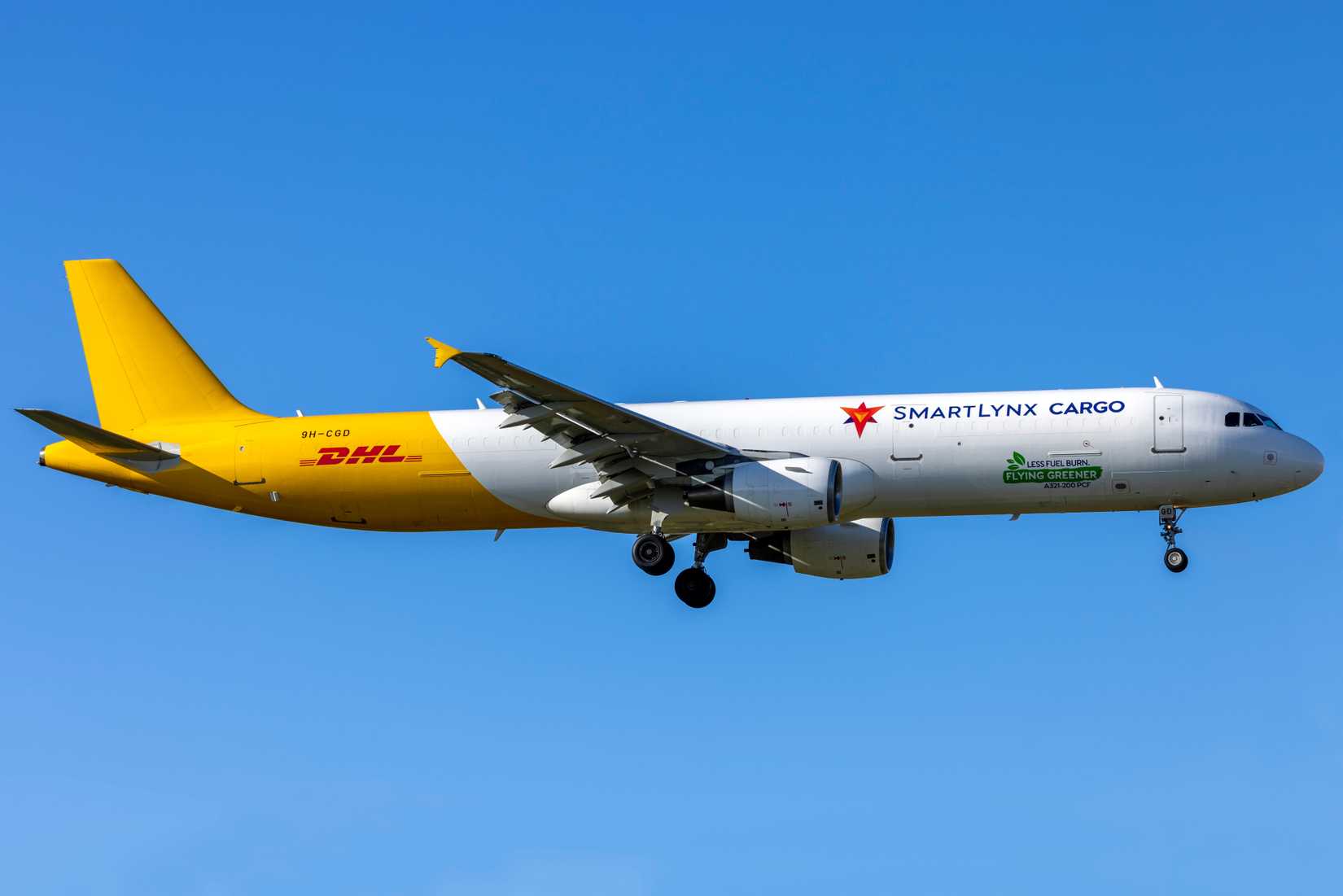
The competitive dynamic between the Boeing 737-800BCF and Airbus A321P2F also matters strategically for operators and the pilots who fly for them. The 737-800BCF's dominant global support network and strong trip-cost economics on short-haul, density-limited routes contrast with the A321P2F's roughly 28% greater cargo volume and 22% higher structural payload — an advantage tailored precisely to the low-density, high-volume nature of e-commerce parcels. As lessors and integrators choose between these platforms, fleet composition decisions will shape which type ratings are in demand across regional express networks, particularly in Asia-Pacific and other high-growth e-commerce corridors where point-to-point, overnight logistics scheduling is replacing traditional consolidated freight models.
More broadly, this conversion boom reflects a maturing but still structurally necessary segment of commercial aviation, one that sits at the intersection of fleet renewal economics, sustainability pressure (extending airframe useful life rather than early retirement), and the logistics demands of a retail economy increasingly built on direct-to-consumer air shipping. For Part 91/135 and business aviation operators, the ripple effects are less direct but still relevant — MRO facilities, conversion houses, and feedstock aircraft markets (the 15-to-20-year-old narrowbodies being pulled from passenger service) are all seeing increased demand, which can tighten availability and pricing for used airframes and affect residual value assumptions across the used aircraft market generally. For airline pilots watching fleet planning decisions, the P2F trend is a reminder that an aircraft's second career is increasingly baked into acquisition and retirement strategy from the outset, and that cargo-side flying is no longer a niche alternative but a fast-growing, structurally essential pillar of the industry.





 Read original article