Here’s How Much More Range The Boeing 787-9 Has Compared To The Airbus A330-900
The Boeing 787-9 holds a 267-nautical-mile range advantage over the Airbus A330-900, with a maximum certified range of 8,705 miles (14,010 km) compared to the A330-900's 8,438 miles (13,611 km). While this gap represents only about three percent of total range capability, it carries meaningful operational implications when airlines are penciling ultra-long-haul routes that push the boundaries of what twin-engine aircraft can sustain commercially. The 787-9's performance ceiling is demonstrated most clearly by Qantas' Perth–London Heathrow nonstop, a route stretching approximately 9,009 miles that required careful optimization of payload, fuel load, and cabin service sequencing to sustain commercially. That operation, which has been running since March 2018, remains one of the most operationally demanding scheduled passenger routes in the world and effectively established the 787-9 as the baseline aircraft for discussions about ultra-long-haul twin operations.
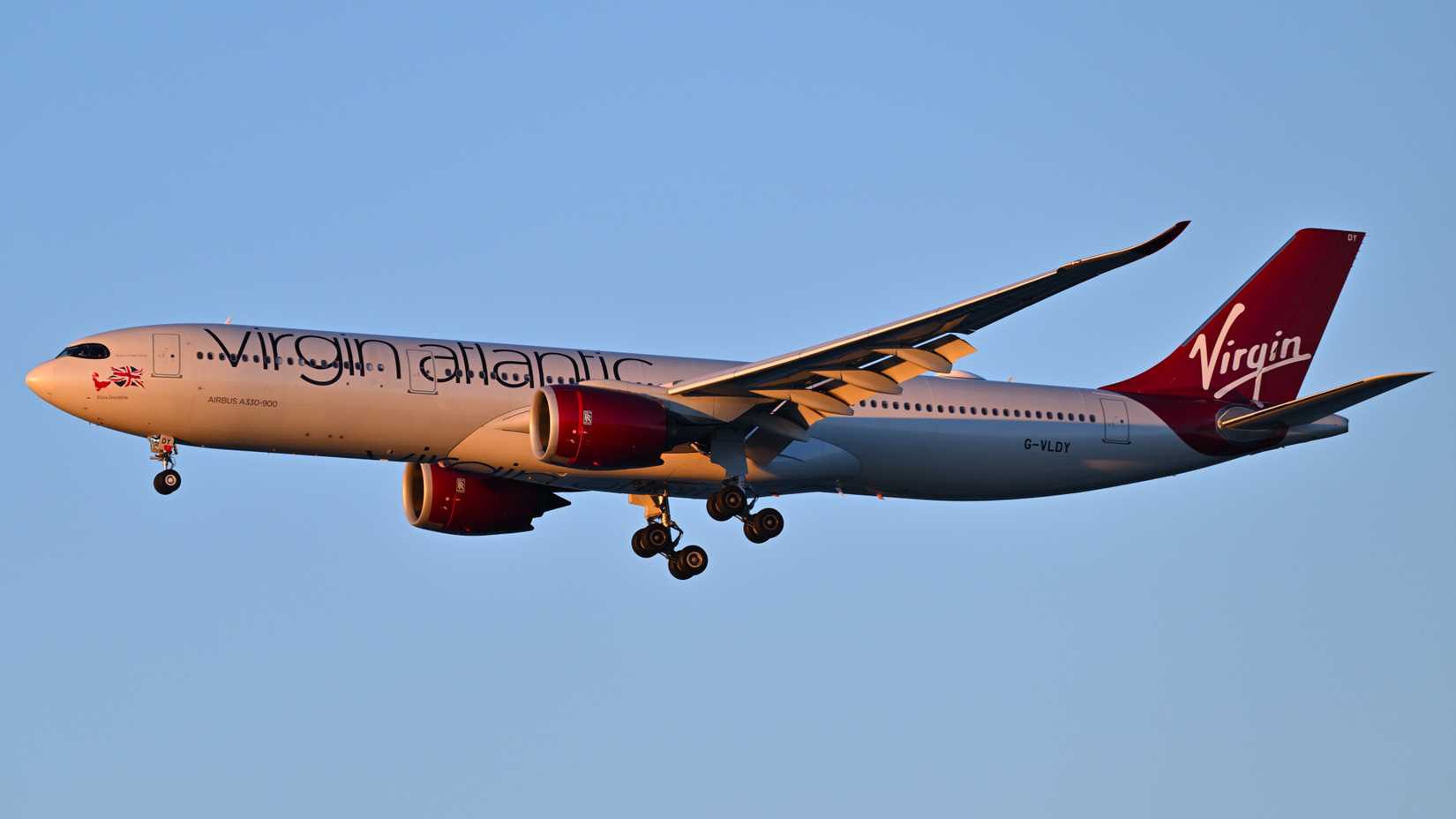
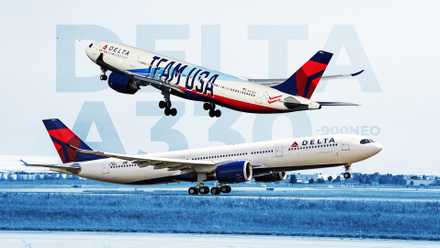
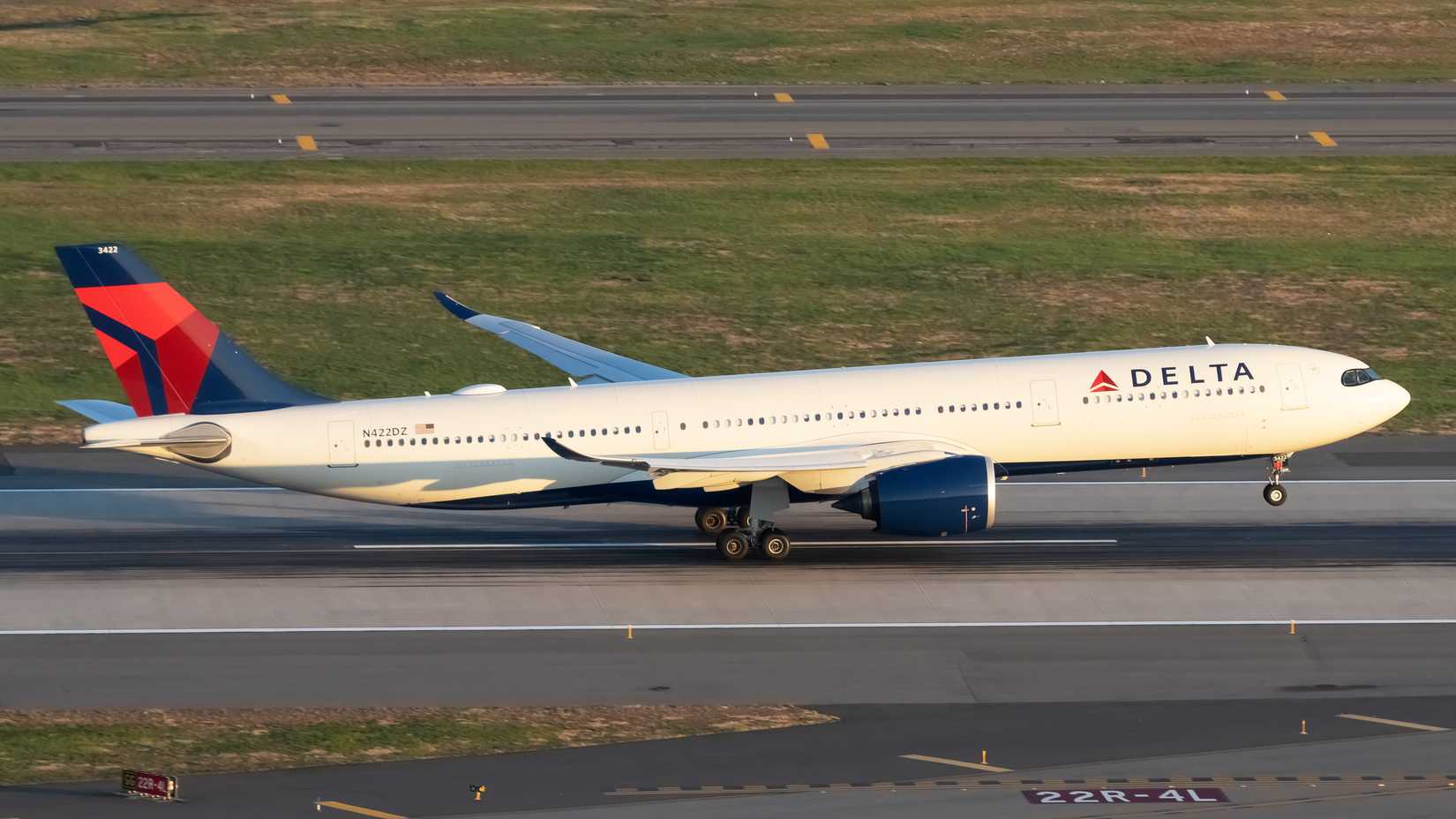
From a fleet planning and route certification standpoint, the distinction between these two aircraft is less about raw range numbers and more about how each platform frames an airline's network flexibility. The A330-900, as the latest iteration of a platform first introduced in the 1990s, offers operators a lower acquisition and transition cost alongside commonality with existing A330 fleets — a significant factor for Part 121 carriers managing training programs, maintenance contracts, and crew qualification across large widebody fleets. Delta Air Lines' current use of the A330-900 on its Seattle–Taipei transpacific segment, a route of roughly 6,074 miles, illustrates how the type occupies a practical mid-to-upper tier of long-haul flying without needing to operate at its performance limits. Airlines deploying the A330-900 on routes well inside its range ceiling gain meaningful payload and flexibility margins that translate directly into revenue on thinner transoceanic markets.
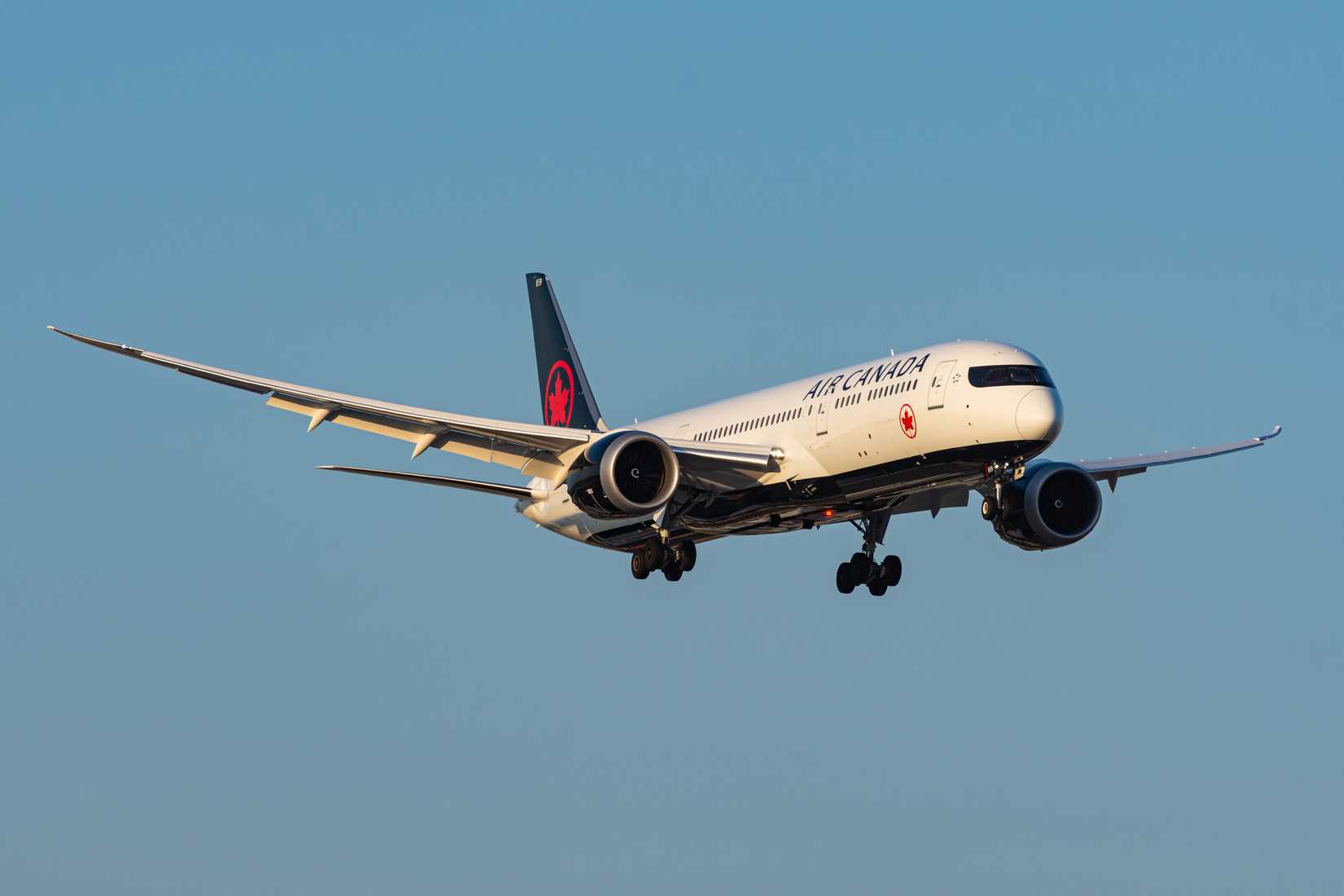
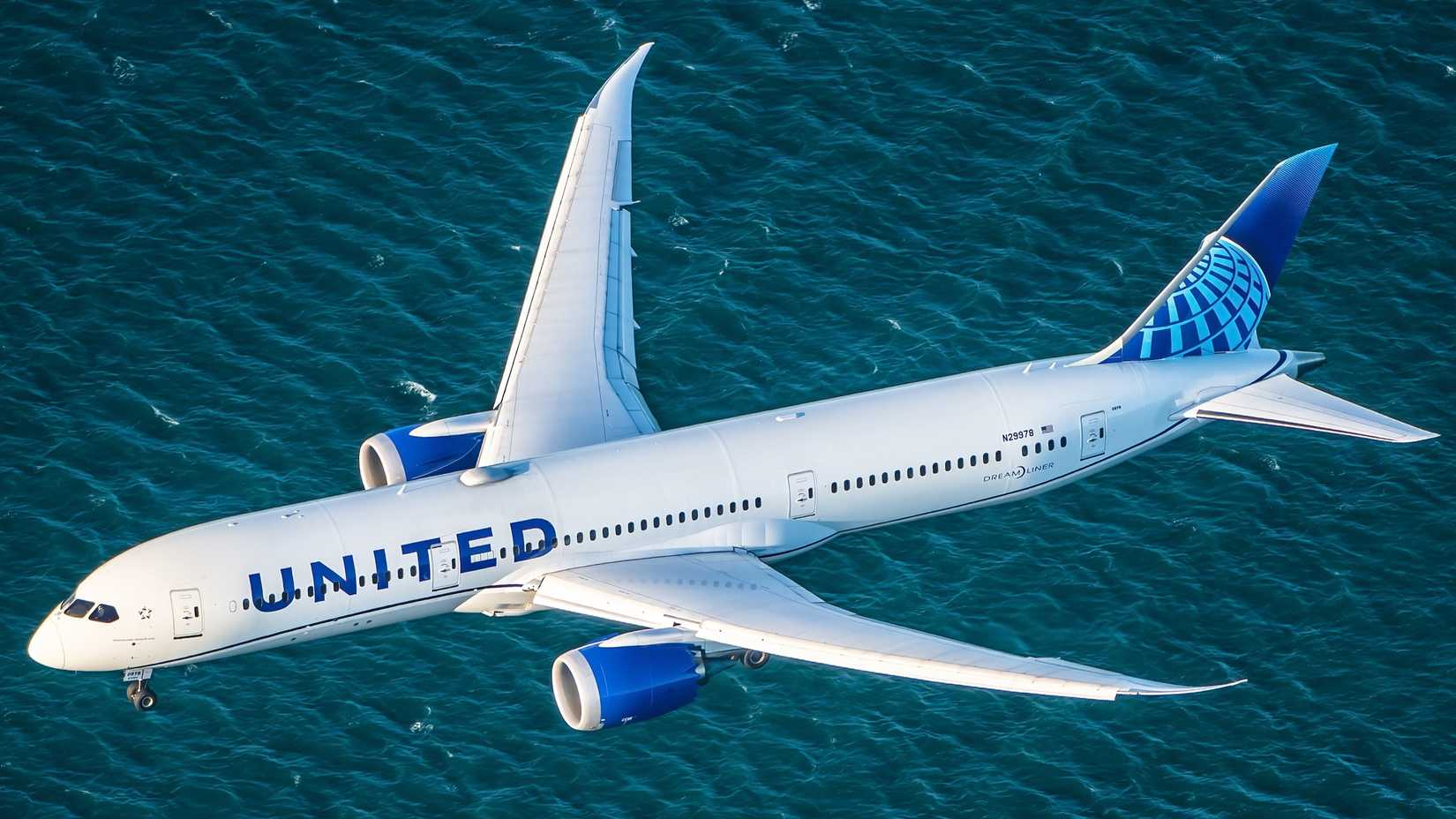
The operator data for the 787-9 underscores how broadly the type has been absorbed into global mainline operations. United Airlines leads with 52 aircraft, followed by All Nippon Airways with 44, while carriers ranging from Air Canada and Turkish Airlines to LATAM and Hainan Airlines have all made the 787-9 a cornerstone of their long-haul strategy. The type's position as the best-selling of the three 787 variants reflects what airline planners have consistently found: the 787-9 sits in a commercially productive middle ground between the lighter 787-8 and the high-density 787-10, allowing network adjustments without sacrificing range. For professional flight crews operating the 787-9, this translates into routes that frequently test fuel planning discipline, ETOPS exposure across remote oceanic tracks, and long-duty-period fatigue management — particularly on the ultra-long sectors where augmented crew configurations and precise top-of-descent fuel state monitoring become standard operational concerns.
The emergence of Riyadh Air as a 787-9 launch operator with 39 aircraft on order signals an important shift in where long-haul widebody competition is intensifying. Gulf carriers have historically used geographic positioning between East and West to build sixth-freedom hub networks, and Riyadh Air's entry into that space — with a brand-new fleet of fuel-efficient twinjets rather than quad-engine aircraft — aligns with the broader industry move away from high-operating-cost four-engine types. Meanwhile, Qantas' continued push under Project Sunrise, which targets nonstop Australia–Europe and Australia–US services using the Airbus A350-1000ULR, suggests that the 787-9's range ceiling may eventually be challenged as a benchmark for the ultra-long-haul segment. For operators and pilots working within the current generation of widebodies, the 787-9 versus A330-900 comparison reflects a market that is increasingly segmented by range precision — where a difference of 267 miles can be the deciding factor in whether a particular route is commercially viable without a technical stop.












 Read original article