CSeries Archives - Leeham News and Analysis
This archive collection from Leeham News and Analysis spans several years of technical reporting on composite manufacturing methods and the ongoing strategic questions surrounding the Airbus A220 program, offering a window into both the engineering fundamentals of modern airframe construction and the commercial calculus reshaping the single-aisle market. Bjorn Fehrm's structures series continues with a deep dive into dry fiber infusion, a manufacturing alternative to pre-impregnated ("prepreg") composite layup that introduces low-viscosity epoxy resin after the dry fiber fabric has been placed on the mold, rather than before. This distinction matters operationally and economically: dry fiber infusion can yield higher-quality, more consistent composite structures when executed correctly, and it has become increasingly relevant as manufacturers look for ways to reduce cost and cycle time on next-generation airframes without sacrificing structural integrity.
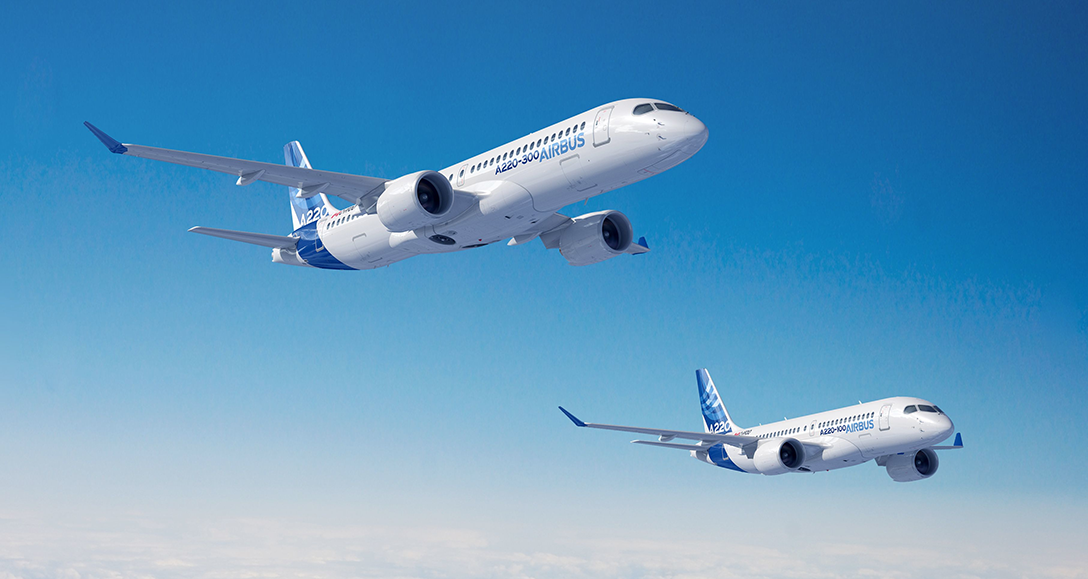
The centerpiece of this archive, however, is the recurring analysis of whether the A220 family—originally launched as the Bombardier CSeries—needs a stretched -500 variant, and whether that variant would require a new wing and uprated engines. Leeham's Aircraft Performance and Cost Model (APCM) work concludes that the A220-100 and -300 airframes, inherited from Bombardier's original design philosophy, were engineered with enough margin that a -500 stretch is technically plausible without a clean-sheet wing, though the debate over whether CFM LEAP-1B engines (shared with the 737 MAX) would be needed for a heavier, longer variant remains unresolved. This is not an academic question. An A220-500 positioned to challenge the A320neo would reshape Airbus's own product hierarchy, potentially cannibalizing sales of its highest-volume program while giving Airbus a lighter, more fuel-efficient competitor against the 737 MAX 8. For airlines currently operating or evaluating the A220, this matters directly: fleet planners weighing 130-160 seat aircraft need clarity on whether Airbus will eventually offer a larger variant, since that decision affects residual values, commonality strategies, and long-term fleet architecture decisions made a decade or more in advance.
For working pilots, particularly those flying for regional and mainline carriers operating A220s (Delta, Air Canada, JetBlue, Swiss, airBaltic, and others), these strategic questions have downstream effects on type ratings, training investment, and career stability. A stretched A220-500 would likely retain a common type rating with the -100/-300, preserving crew flexibility, but the introduction of stronger engines or wing modifications could complicate that commonality picture. Leeham's parallel coverage of the broader regional airline contraction—Bombardier's exit from regional jets, Mitsubishi's SpaceJet cancellation, and Embraer's now-solitary position outside China and Russia—reinforces a broader consolidation trend that has already reduced the number of aircraft types and manufacturers pilots can expect to fly over a career. Regional carriers' struggles with pilot shortages and shrinking demand forecasts compound this narrative, suggesting that fewer, larger regional/mainline crossover aircraft like the A220 may increasingly replace the traditional 50-76 seat regional jet segment.
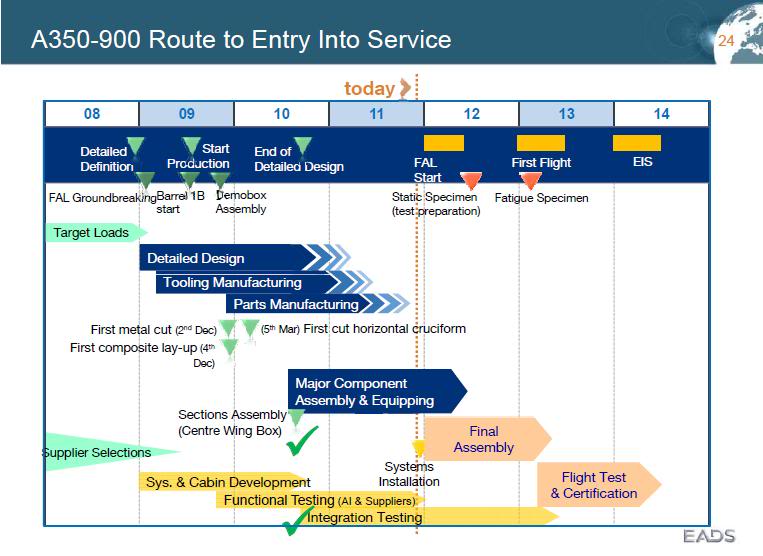
Collectively, this archive illustrates how manufacturing technique innovation (dry fiber infusion, faster development cycles) and product-line strategy (A220-500 sizing decisions) are interconnected threads in the same industry story: OEMs are under pressure to develop aircraft faster, cheaper, and with better structural performance, while simultaneously navigating a consolidating regional and narrowbody market. Bjorn Fehrm's companion series on "faster aircraft development," referencing the A350's decade-plus gestation as a baseline, underscores industry-wide urgency to compress development timelines by a third or more—a goal directly enabled by manufacturing advances like infusion processes that reduce material costs and improve quality control. For flight operations executives and corporate aviation planners, the throughline is clear: the pace of composite manufacturing innovation and OEM product-line decisions made today will determine aircraft availability, commonality, and economics for the next generation of pilots a decade from now.








 Read original article