5 Airline Award Loopholes Frequent Flyers Raced To Book Before Deadlines
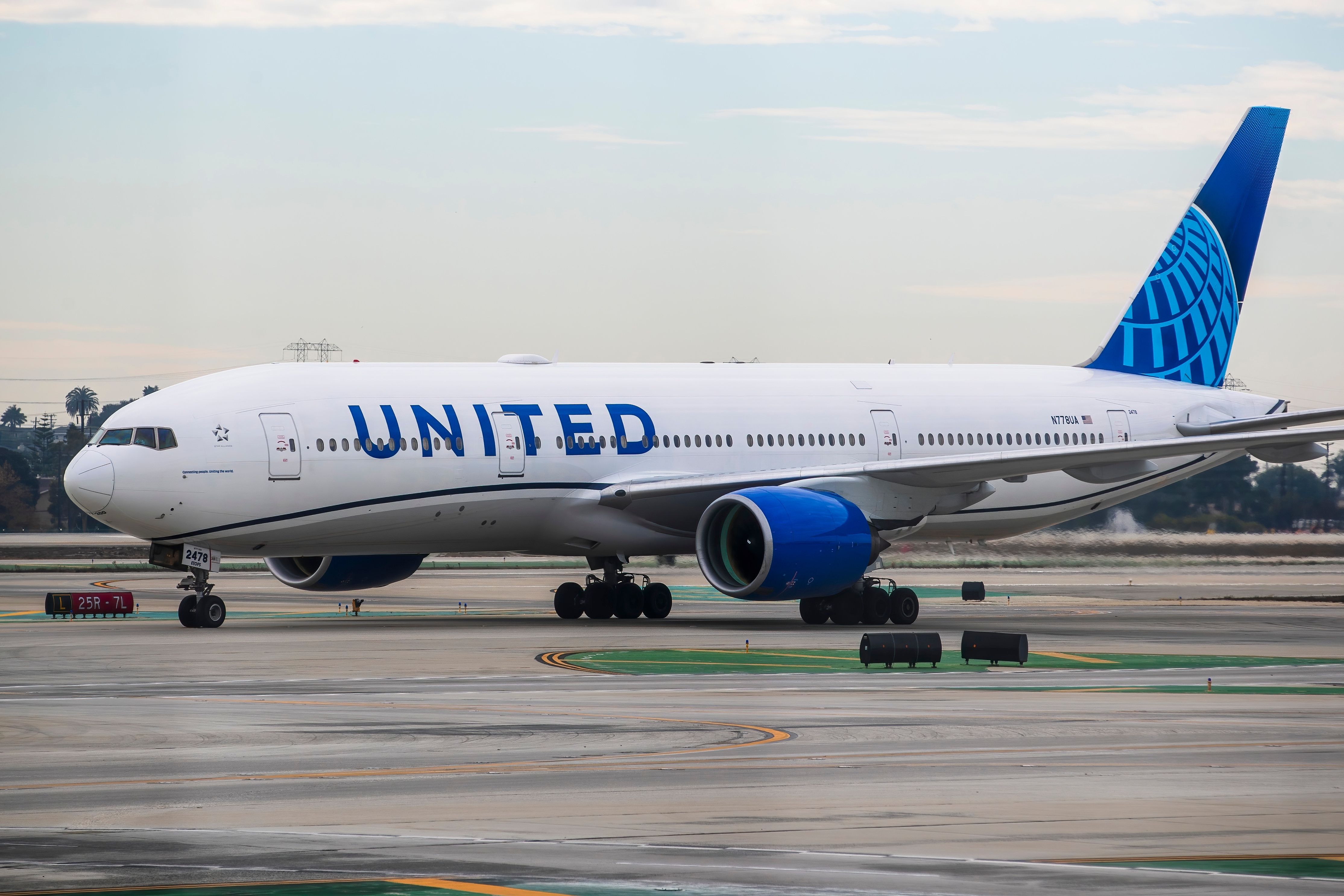
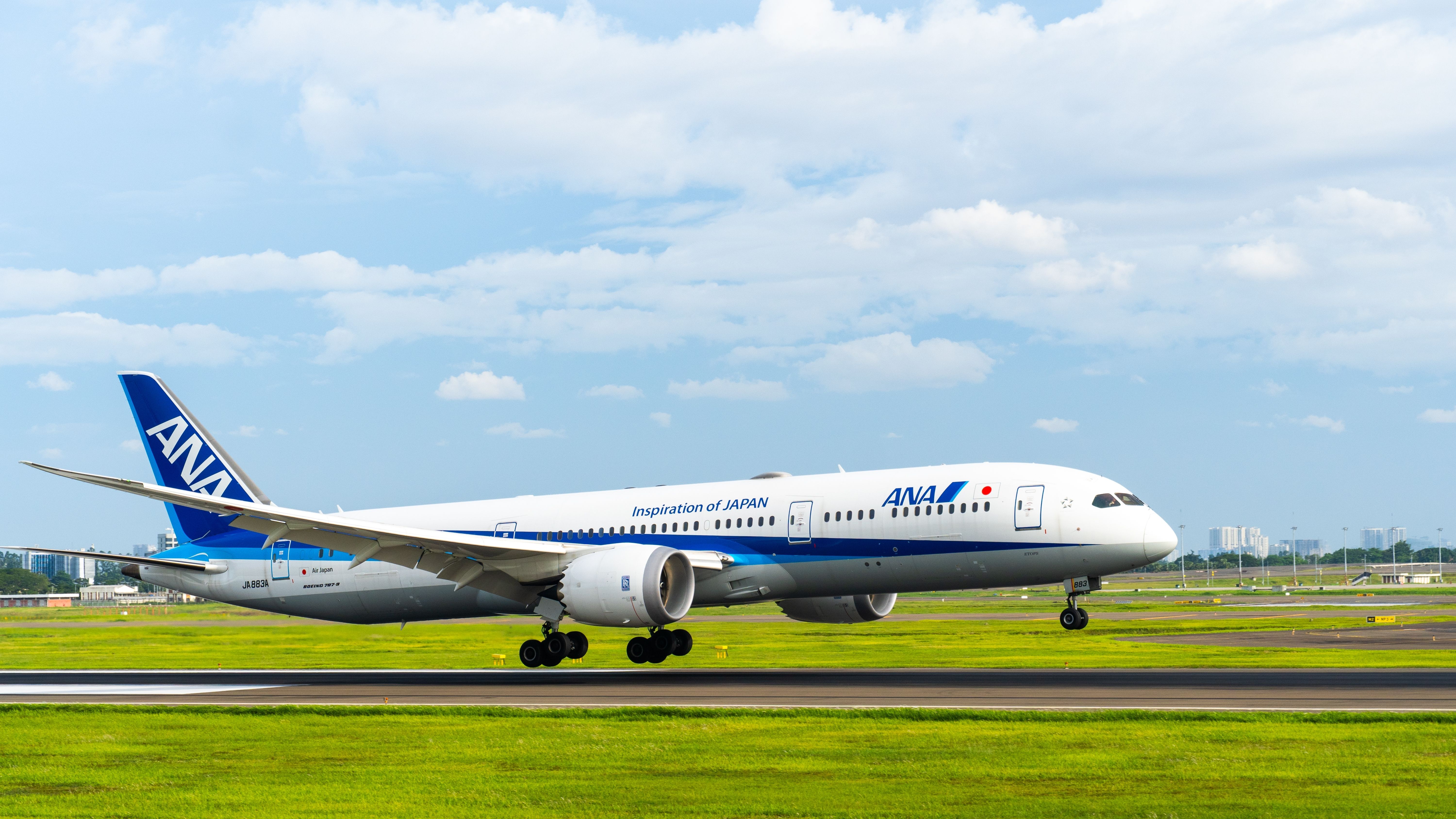
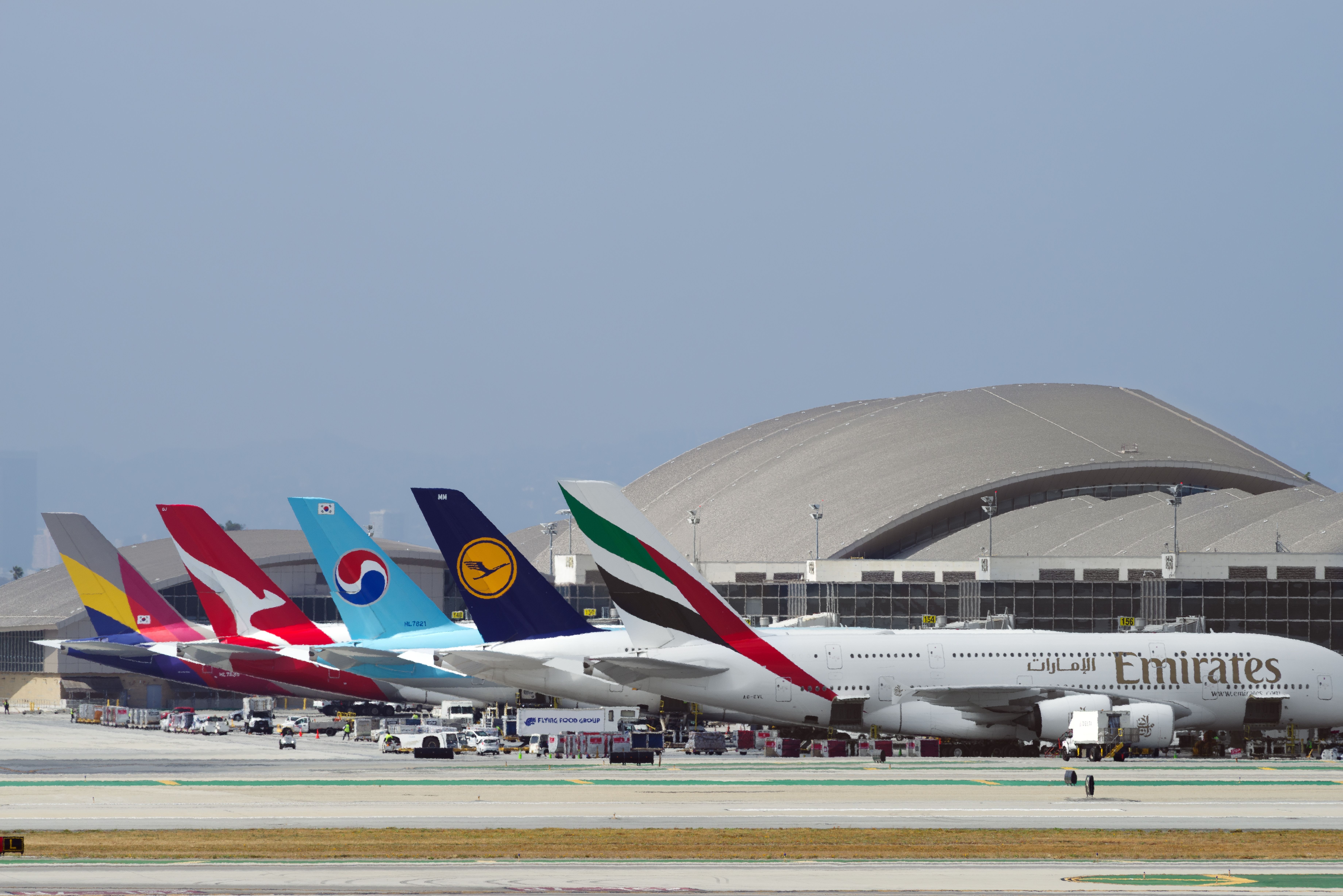
A significant tightening of frequent flyer program rules across major global carriers marks the end of an era in which sophisticated travelers could exploit fixed award charts, routing quirks, and alliance pricing anomalies to secure premium cabin seats far below cash value. United Airlines has led the charge domestically, eliminating the Excursionist Perk on August 21, 2025—a rule that had allowed travelers to add a free one-way flight within a middle region of a multi-city award itinerary—and retiring its fixed complimentary upgrade charts on full-fare economy tickets on November 24, 2025. ANA followed suit by discontinuing its Star Alliance Round the World award ticket on June 23, 2025, closing off what many considered the single most powerful award-booking tool in existence, capable of stringing together 20,000+ mile itineraries across multiple carriers at fixed mileage-based pricing. Emirates and Qantas have layered on additional restrictions, gating first-class award access behind elite status tiers rather than simple point balances, with Emirates requiring Skywards Silver status or higher since May 2025 and Qantas adding age and status minimums through early 2026.
For working pilots, this trend is worth understanding both as consumers of these programs and as employees whose own travel benefits and jumpseat/personal travel arrangements often intersect with airline loyalty ecosystems. Many pilots, particularly those at major and legacy carriers, rely on frequent flyer program mechanics for personal travel, family positive-space or standby arrangements, and even understanding how their airline manages premium inventory yield. The shift away from fixed upgrade charts toward algorithmic, revenue-managed waitlists reflects the same dynamic pricing philosophy airlines have increasingly applied to crew scheduling, premium cabin allocation, and ancillary revenue capture more broadly. Pilots who fly premium-heavy international widebody routes—particularly at United, ANA, Emirates, and Qantas—will see firsthand how this recalibration affects load factors, upgrade clearance timing at the gate, and the predictability of cabin configurations they're briefed on before departure.
More broadly, this pattern fits into a well-documented industry-wide movement toward revenue management maximization across every customer-facing system, not just fares. Airlines have spent the better part of a decade replacing static, rules-based systems (fixed award charts, upgrade priority lists, interline agreements) with dynamic, algorithm-driven ones that respond to real-time demand and protect yield on premium inventory. This mirrors trends in fleet planning, crew pairing optimization, and network scheduling, where legacy carriers increasingly favor data-driven flexibility over predictable, rules-based frameworks. For flight operations and network planning professionals, the loyalty program story is a useful proxy for how aggressively airlines are willing to reprice inflexible legacy arrangements—whether those are frequent flyer perks, codeshare agreements, or even crew work rules—when data suggests the old system is leaving revenue on the table.
The consolidation of these changes within roughly a 12-month window—spanning mid-2025 through early 2026—also signals coordinated confidence among major carriers that loyalty customers have limited leverage to push back, particularly as pandemic-era demand strength has given airlines pricing power they lacked during the 2020-2022 downturn. For business aviation operators and charter brokers, this tightening of commercial loyalty programs may modestly increase interest in Part 135 charter and fractional ownership as high-net-worth travelers who previously "hacked" first-class award seats find those options less accessible, though the price gap between charter and even full-fare first class remains substantial. Ultimately, the closure of these loopholes reflects airlines treating loyalty currency the same way they treat seat inventory: a finite, yield-managed asset rather than a fixed liability, a philosophy that professional aviation operators across all sectors will likely see extended further into ancillary services, cargo capacity, and even codeshare partnerships in coming years.








 Read original article