Does Delta Air Lines Regret Not Ordering The Boeing 787-10 Sooner?
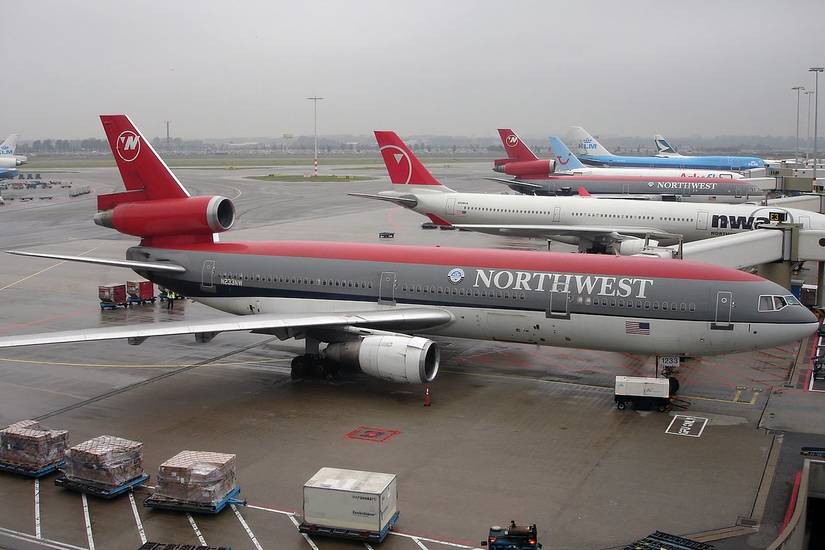
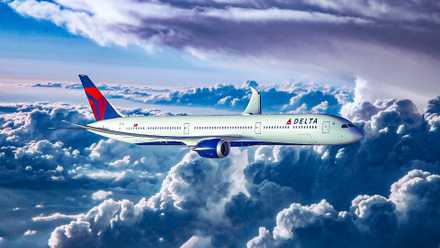
Delta Air Lines' January 2026 order for 30 Boeing 787-10s, with options for 30 more, marks one of the more consequential fleet reversals in the carrier's modern history. For nearly a decade, Delta had positioned itself as Airbus's most loyal widebody customer, building its long-haul strategy around the A330neo and A350 after canceling an inherited Northwest Airlines order for 18 Boeing 787s in 2016. That cancellation was framed at the time not as a rejection of the 787 itself, but as a commitment to fleet commonality — fewer type ratings, simpler maintenance programs, leaner spare parts inventories, and reduced training overhead across pilot groups. The new order effectively ends that single-manufacturer widebody era and reopens a Boeing chapter that many assumed was permanently closed.
For working pilots, this shift carries real operational weight. Reintroducing a Boeing widebody into a fleet built around Airbus commonality means new type ratings, new simulator programs, and eventually new bidding pools and seniority dynamics for long-haul crews. Airlines that operate mixed Boeing-Airbus widebody fleets, such as United and American, have long managed the tradeoffs between fleet flexibility and the added complexity of maintaining separate crew qualifications, maintenance certifications, and logistics chains. Delta's return to Boeing suggests its leadership now believes the 787-10's capacity and range profile — slotting neatly between the A330neo and the larger A350 — justifies reintroducing that complexity. Pilots at Delta should expect this to reshape long-term fleet planning discussions, potential retirements of aging 767 and A330ceo aircraft, and new training pipelines as the 787-10 enters service later in the decade.
The broader question the article raises — whether Delta "regrets" not ordering the 787-10 sooner — matters less as a hindsight exercise and more as a signal about how quickly fleet strategy can shift in response to market conditions, aircraft availability, and manufacturer production realities. When Delta canceled its 787 order in 2016, Boeing's widebody lineup and delivery slots looked very different than they do now, and Airbus's A330neo and A350 offered compelling economics for Delta's route network at the time. A decade later, with Boeing's 787 program stabilized post-quality-control disruptions and delivering more predictably, and with Delta's aging 767 and A330ceo fleets approaching retirement decisions, the calculus changed. This illustrates a persistent theme across commercial aviation: fleet commitments made under one set of competitive and production assumptions can look suboptimal a decade later, even when they were rational at the time.
For the industry more broadly, Delta's move underscores that pure fleet commonality strategies are increasingly difficult to sustain over long periods, especially for carriers with global route networks spanning widely varying stage lengths and demand profiles. As Boeing and Airbus each work through their own production backlogs and delivery delays, airlines are hedging by diversifying suppliers rather than betting entirely on one manufacturer's roadmap. Corporate flight departments and business aviation operators watching this trend should note the parallel: single-OEM strategies reduce complexity but also concentrate risk in one manufacturer's supply chain, certification timeline, and production reliability. Delta's reversal, coming from an airline that spent a decade publicly championing simplicity, sends a signal to the rest of the industry that even the strongest commonality arguments eventually yield to capacity-matching and route-economics realities.










 Read original article