Airbus's Patent Reimagining The Business Class Seat: What To Expect
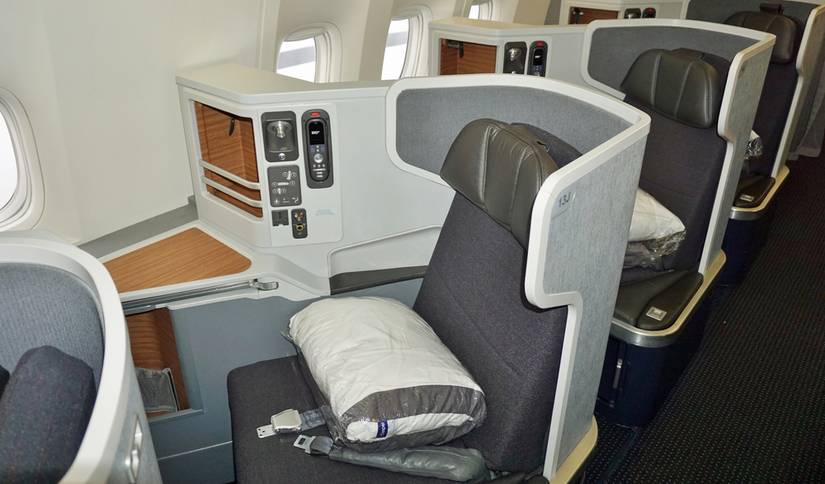
Airbus's newly disclosed patent for a business class seat unit signals a strategic push by the airframer to influence cabin architecture well beyond its traditional role of building the tube and wing. The design centers on a seat pan and backrest that move in tandem via a single motor, converting from upright to lie-flat configuration, surrounded by a rear partition, side panel, and sliding privacy door. Critically, Airbus is engineering this for deployment across both widebody and single-aisle platforms, a detail that matters enormously for narrowbody operators flying longer sectors. True lie-flat business class with door privacy has historically been the domain of widebody long-haul cabins; extending that experience to A321XLR-type missions or other extended-range single-aisle jets would let carriers monetize premium demand on transatlantic and thin long-haul routes without needing widebody capacity or crew complements that remain in short supply industry-wide.
For working pilots and flight operations planners, this development is less about flight deck systems and more about the operating environment it will help shape over the next decade. Cabin retrofits and new-delivery configurations driven by patents like this one influence weight and balance, loading procedures, and even emergency egress planning, since crashworthiness, flammability, and evacuation certification are baked into any new seat architecture before it reaches revenue service. Flight crews on aircraft equipped with denser, more complex premium suites should expect evolving cabin crew coordination requirements, particularly around door-equipped suites, which introduce unique considerations for cabin secure checks and evacuation flow that differ from open-seat configurations already seen on aircraft like the A350 and 787. Additionally, as manufacturers push weight-saving materials to offset heavier premium interiors against fuel burn and emissions targets, pilots should anticipate continued attention to payload-range tradeoffs, especially on routes where premium cabin density directly competes with fuel reserves and cargo capacity.
The broader significance lies in what this patent reveals about where airline economics are heading. Premium cabins now generate outsized margin per square foot compared to economy, and with widebody delivery slots scarce and pilot staffing tight across the industry, airlines are being pushed toward extracting more value from existing capacity rather than simply flying bigger airplanes more often. Airbus filing IP around modular, single-motor, door-equipped suites suggests the manufacturer wants to control the "premium canvas" it offers customers, giving it leverage over third-party seat makers like Safran, Collins, and Thales, and enabling airlines to line-fit sophisticated business class products with less engineering risk and faster certification timelines. This mirrors a trend already visible in Boeing's and Airbus's collaboration with cabin suppliers to standardize retrofit kits, allowing older in-service jets to be upgraded mid-life rather than retired, extending aircraft economic life while keeping pace with premium demand.
For corporate and business aviation operators watching from the Part 91/135 side, this trend reinforces the widening gap in expectations between commercial premium travel and private aviation value propositions. As airlines close the comfort gap with door-enclosed suites and true lie-flat single-aisle products, the differentiation business aviation offers shifts increasingly toward schedule flexibility, routing to underserved airports, and privacy rather than seat comfort alone. Simultaneously, this patent activity underscores that OEMs increasingly see cabin experience, not just aerodynamic or propulsion innovation, as a competitive battleground, a trend corporate flight departments and fractional operators should track closely as it may eventually filter into narrowbody-based charter and shuttle operations seeking to replicate premium density economics on shorter high-yield routes.







 Read original article