The US Ultra-Low-Cost Carriers Reshaping Domestic Competition After Spirit's Collapse
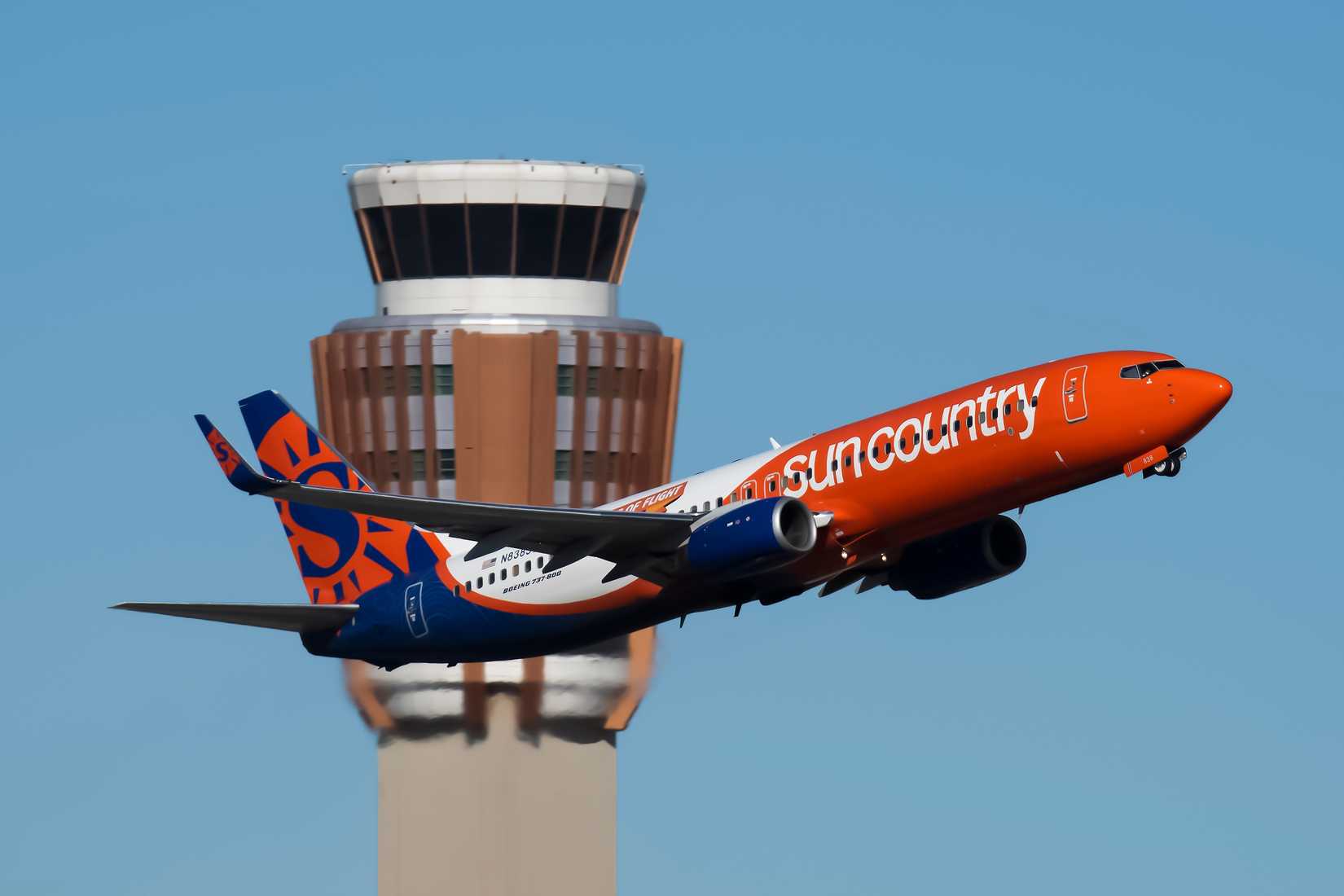
The collapse of Spirit Airlines in May 2026 and Allegiant's near-simultaneous $1.5 billion acquisition of Sun Country have triggered the most significant restructuring of the US ultra-low-cost carrier segment since the model's inception in the early 2000s. Spirit's shutdown eliminated more than 1.6 million domestic seats and stripped dozens of routes of their lowest-fare competitor, while Allegiant's merger created a combined carrier operating roughly 195 aircraft across nearly 175 cities and 650 routes, serving approximately 22 million passengers annually. For pilots and flight operations personnel, these are not abstract market shifts—they represent changing hiring pipelines, fleet consolidation decisions, and shifting route networks that directly affect where flying jobs exist and how airline operating certificates, crew bases, and training programs will be structured over the next two years.
The Allegiant-Sun Country integration is particularly instructive for pilots tracking career stability in the ULCC space. Management has committed to operating the two brands separately for an estimated 18 to 24 months while working toward a single operating certificate, a deliberate pace that mirrors the cautious integration timelines seen in prior airline mergers (American-US Airways, Alaska-Virgin America) where certificate consolidation, seniority list integration, and fleet commonality took years rather than months. Pilots at both carriers should expect a prolonged period of parallel operations before crew bases, bidding systems, and type ratings are unified. The complementary nature of the two businesses—Allegiant's leisure-focused A319/A320 network paired with Sun Country's scheduled passenger, charter, and Amazon cargo 737 freighter operations—also signals that the combined carrier is diversifying revenue in a way that could offer more stable flying opportunities across passenger and cargo segments, a hedge against the margin pressure that has plagued pure ULCC models.
Frontier's continued struggles, including a reported $137 million net loss in 2025 despite Spirit's removal from the competitive field, underscore a broader truth working pilots should internalize: eliminating a competitor does not automatically fix a broken cost structure. Rising labor costs, fuel volatility, and compressed ancillary revenue have squeezed margins industry-wide, and Frontier's pivot toward "Clear, Upfront Pricing" reflects an industry-wide retreat from the fee-heavy model that once defined ULCCs. This matters for pilots evaluating furlough risk or career progression at low-cost carriers, since brands still chasing profitability through pricing-model pivots rather than structural cost advantages remain more exposed to downturns, aircraft order deferrals, or further consolidation.
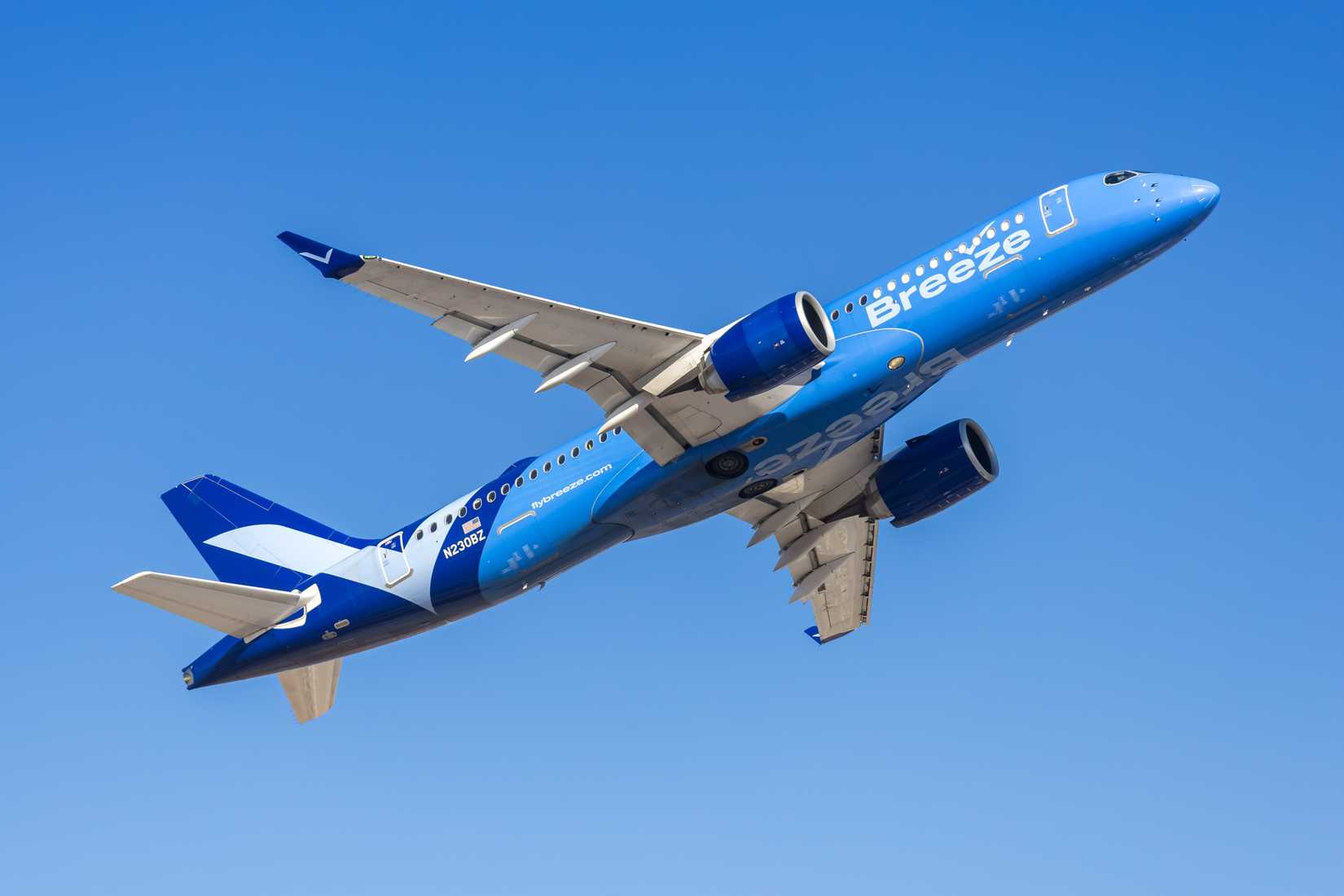
More broadly, the reshaping of this sector reflects a maturation happening across US commercial aviation: growth carriers like Breeze and Avelo are expanding into underserved secondary markets with point-to-point networks rather than competing head-on with legacy hubs, echoing strategies that have historically offered faster upgrade timelines and different quality-of-life tradeoffs for pilots than mainline or regional flying. As Spirit's exit and the Allegiant-Sun Country merger consolidate capacity among fewer, larger players, the ULCC segment is shifting from a fragmented field of similarly sized competitors toward a tiered structure with one dominant leisure powerhouse and several smaller, more differentiated operators. For flight crews, recruiters, and corporate flight departments benchmarking compensation and stability, this consolidation trend—also visible in business aviation fractional and charter markets—suggests that scale, diversified revenue streams, and disciplined capacity growth will increasingly determine which carriers offer durable careers versus those still vulnerable to the financial pressures that ultimately grounded Spirit.









 Read original article