Infinity Aviation acquires Vero Beach FBO in South Florida Push | Corporate Jet Investor | CJI news
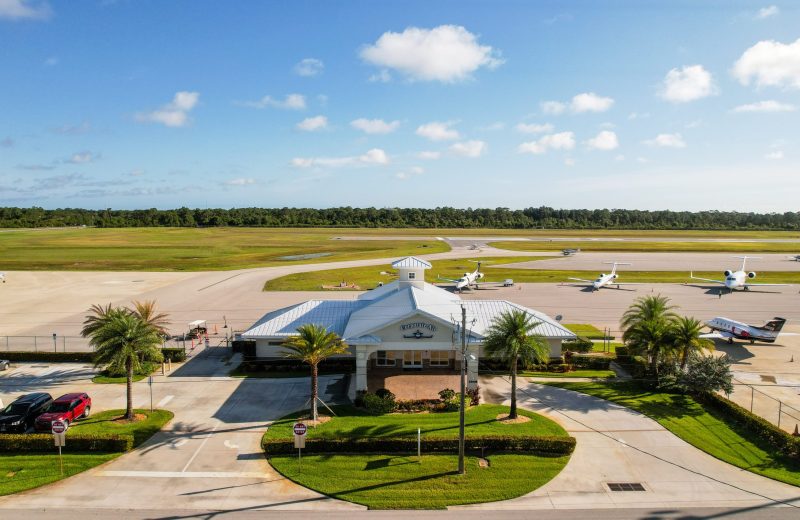
Infinity Aviation Group's acquisition of Corporate Air at Vero Beach Regional Airport (VRB) marks a deliberate southward expansion for the New Hampshire-based FBO operator, adding a strategically positioned Florida facility to what has until now been a single-location network anchored at Nashua (KASH). The Vero Beach footprint is substantial: eight hangars totaling more than 106,500 square feet, the newest completed in 2024, all positioned adjacent to the airport's primary runway with direct ramp access spanning 350,000 square feet. The facility's 7,314-foot primary runway accommodates large-cabin and ultra-long-range business jets, and the on-site US Customs clearance capability positions VRB as a viable port of entry for international operators routing through the Treasure Coast rather than congesting the busier South Florida Class B airports farther south.
For working pilots and flight departments, the Vero Beach acquisition introduces a credible alternative to the perennially saturated FBO environment at airports like Fort Lauderdale Executive (KFXE), Palm Beach International (KPBI), and Miami's Opa-locka (KOPF). VRB's 560-plus daily operations are overwhelmingly general aviation, meaning ramp congestion and slot pressure common at those busier South Florida reliever fields are comparatively reduced. The combination of Global-capable hangar space, a functional passenger and crew terminal with conference facilities, and Customs on-site creates an operationally complete stop for transatlantic arrivals, Caribbean-routing operators, and domestic business jets repositioning ahead of busy season traffic. The CEO's stated promise of additional hangar capacity signals that demand absorption — not infrastructure scarcity — is the priority as the network grows.
The geographic pairing of Nashua and Vero Beach reflects a pattern increasingly visible in business aviation: operators building complementary north-south networks that mirror the seasonal migration of high-net-worth clients and their aircraft. The Boston-to-Florida corridor is one of the most trafficked business jet routes in the eastern United States, and an FBO operator holding facilities at both endpoints of that corridor is positioned to offer preferred pricing, consistent service standards, and loyalty incentives to flight departments that work the corridor regularly. That strategic logic, long exploited by legacy networks such as Signature and Atlantic Aviation, is now being pursued by smaller, acquisition-focused platforms like Infinity Aviation Group as mid-market FBO consolidation accelerates.
The broader FBO consolidation trend that has defined general aviation infrastructure over the past decade shows no sign of moderating. Private equity-backed platforms have absorbed independent operators at a steady pace, and the remaining independents — particularly those controlling well-improved facilities in high-demand markets — have become attractive acquisition targets. Corporate Air at VRB, with modern 2024-vintage hangars and a large ramp footprint in a market where land-constrained airports make expansion difficult, fits the profile of an asset that commands premium acquisition interest. Infinity Aviation's stated focus on "key markets" and its willingness to develop infrastructure post-acquisition suggests an organic growth strategy layered atop the M&A activity, a posture that will matter to operators evaluating whether a newer network can deliver the consistency that larger incumbent chains have historically promised but not always delivered.