Sudden Brakes: Jetstar & Qatar Airways Planes Nearly Collide At Sydney Kingsford Smith Airport
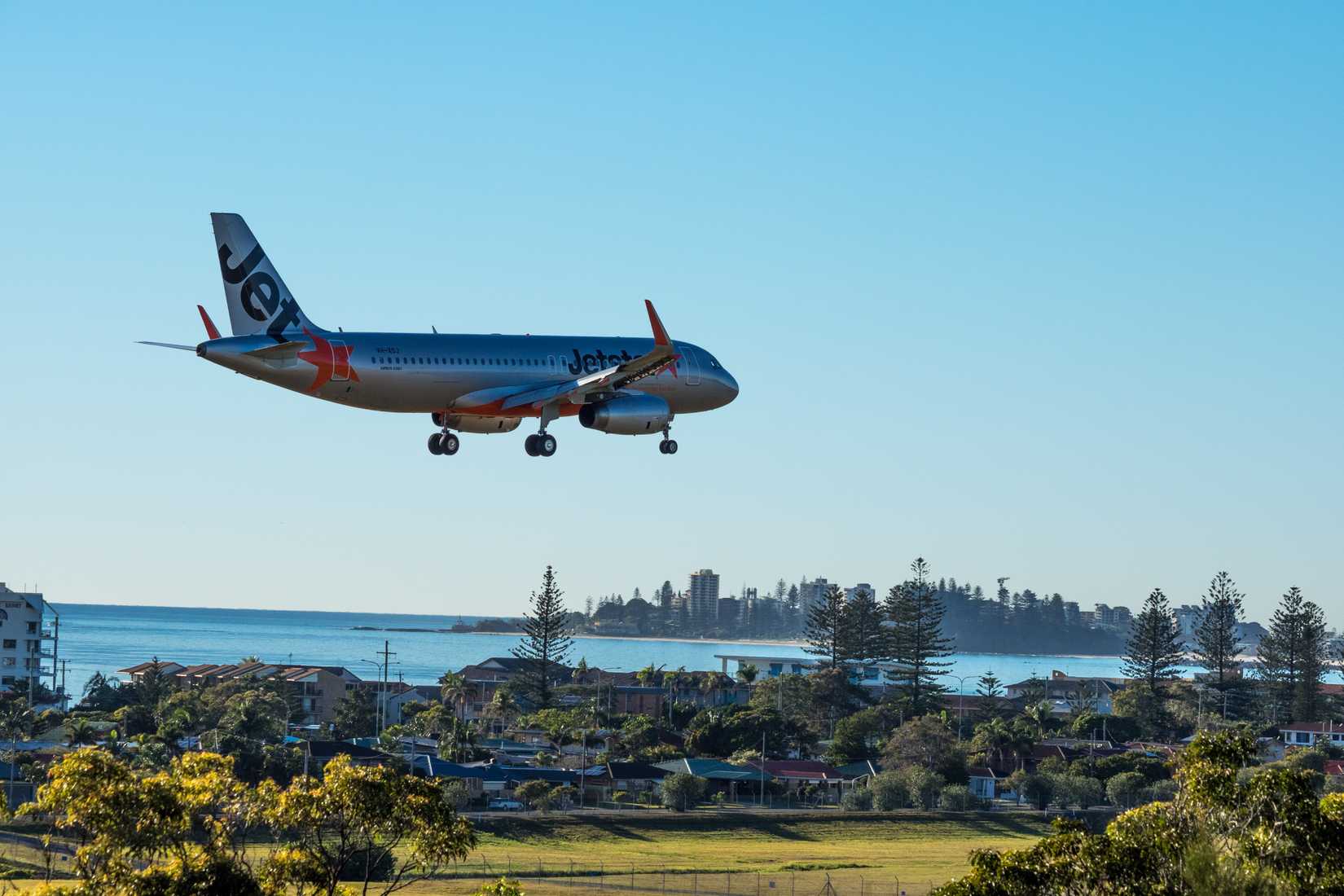
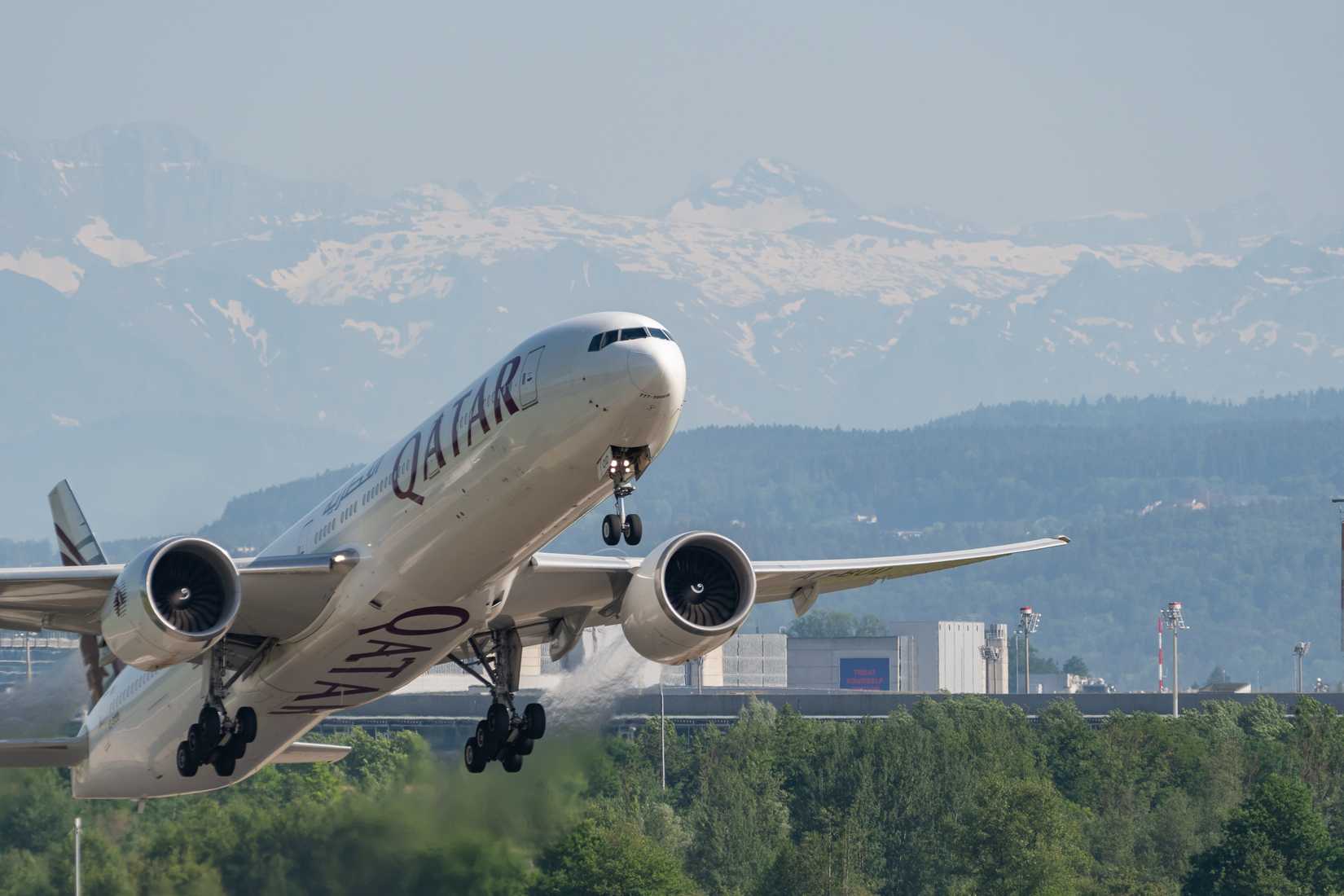
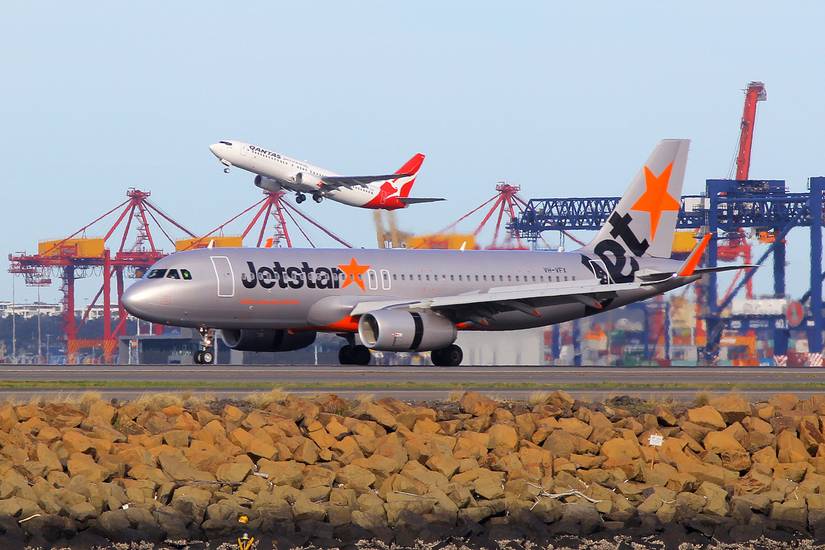
A near-collision on the ramp at Sydney Kingsford Smith Airport (SYD) on Sunday has put fresh scrutiny on ground movement procedures at Australia's busiest airport, after a Jetstar A320 (JQ402, registration VH-VQJ) taxiing for departure to the Gold Coast came into close proximity with an empty Qatar Airways 777-300ER being towed to a parking stand. Both the Jetstar flight crew and the tug operator handling the Qatar aircraft executed emergency braking to avoid contact, a maneuver abrupt enough to injure a Jetstar flight attendant, who was treated by paramedics on scene. The Jetstar flight was canceled and passengers rebooked, while the Qatar aircraft, which had arrived from Doha operated under a Virgin Australia codeshare arrangement, suffered no operational impact. Notably, the Jetstar captain has publicly attributed fault to the towing operation, asserting that ATC clearance had been given to the A320 and that the towed 777 should have held position — a claim now under formal review by Jetstar, Qatar Airways, and the Australian Transport Safety Bureau (ATSB), each of which has opened independent investigations.
For working pilots, this incident is a pointed reminder that some of the highest-risk phases of operation occur not in the air but on the ramp and taxiways, where towed aircraft, ground vehicles, and taxiing traffic converge under time pressure and with imperfect situational awareness. Towed aircraft present a unique hazard: they lack independent power, their movement is governed by tug operators following separate communication protocols (often coordinated with ramp control rather than tower frequency), and their stopping performance and predictability differ markedly from a taxiing jet under its own power. Discrepancies between ATC taxi clearances and ramp/apron control instructions — particularly at busy, multi-controller airports — are a recognized contributor to runway and ramp incursions worldwide, and this event fits a pattern the industry has flagged repeatedly through ICAO and IATA ground safety initiatives. The fact that a flight attendant was injured from braking force alone, with no impact occurring, also underscores that "near-misses" are not benign; cabin crew safety during unplanned maneuvers on the ground remains an underappreciated risk that rarely receives the same attention as in-flight turbulence injuries.
The timing compounds the concern. This event follows just two days after a separate near-miss involving two Qantas Group aircraft at Sydney on August 6, when a QantasLink arrival and a Qantas service cleared to cross the runway came into conflict — an incident also now under ATSB investigation. Both episodes occurred against a backdrop of documented staffing shortages at Airservices Australia, which forced reduced air traffic movement rates over the weekend and contributed to more than 120 delays on Friday alone. Controller staffing shortfalls have been a persistent, unresolved issue in Australian airspace management, and clusters of ground and near-runway incidents in short succession are often symptomatic of controller workload, fatigue, or reduced redundancy in busy terminal environments rather than isolated crew error. For operators and safety departments, two serious ground-proximity events at the same airport within a week should trigger heightened scrutiny of SYD's current staffing posture, apron coordination procedures, and the interface between tower and ramp control during high-tempo periods.
More broadly, the incident reinforces an industry-wide trend of ground safety incidents outpacing headline-grabbing airborne emergencies in frequency, even as they receive comparatively less regulatory and media attention. As global air traffic volumes continue recovering toward and exceeding pre-pandemic levels, airports and ANSPs already strained by staffing constraints face growing pressure on ramp and apron operations — precisely the environment where towed aircraft, pushback sequences, and taxiing traffic must be deconflicted with minimal margin. For flight crews, the episode is a reminder to maintain heightened vigilance during taxi regardless of ATC clearance status, particularly around towed aircraft whose movement authority may originate from a different controlling authority. For airlines and regulators, it adds another data point supporting continued investment in surface movement radar, standardized ramp/tower coordination protocols, and adequate controller staffing — all measures directly tied to preventing a low-speed apron conflict from escalating into a genuine runway or ramp collision.








 Read original article