Business Class Vs. First Class On The Airbus A350: Is The Price Gap Actually Worth It?
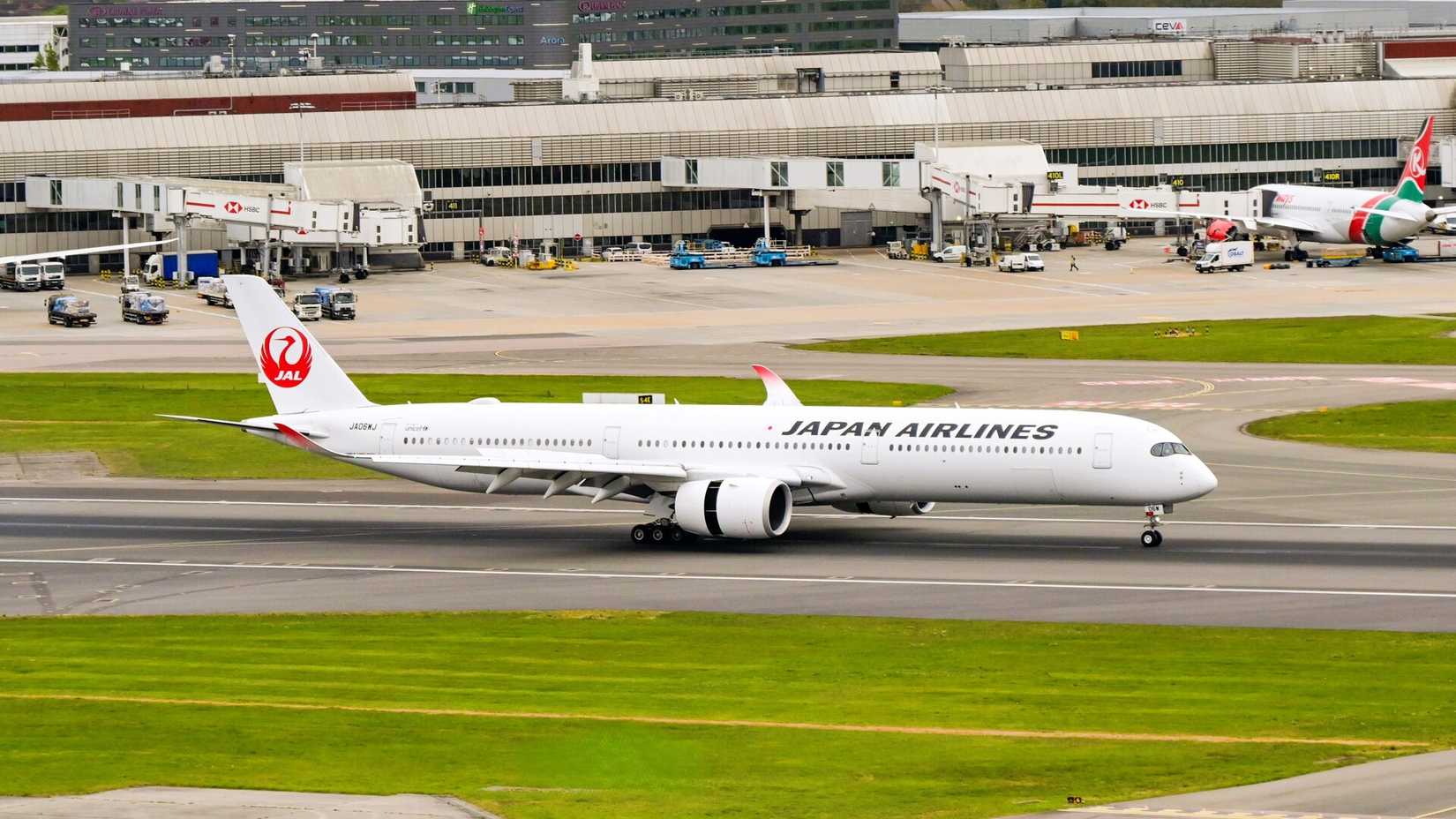
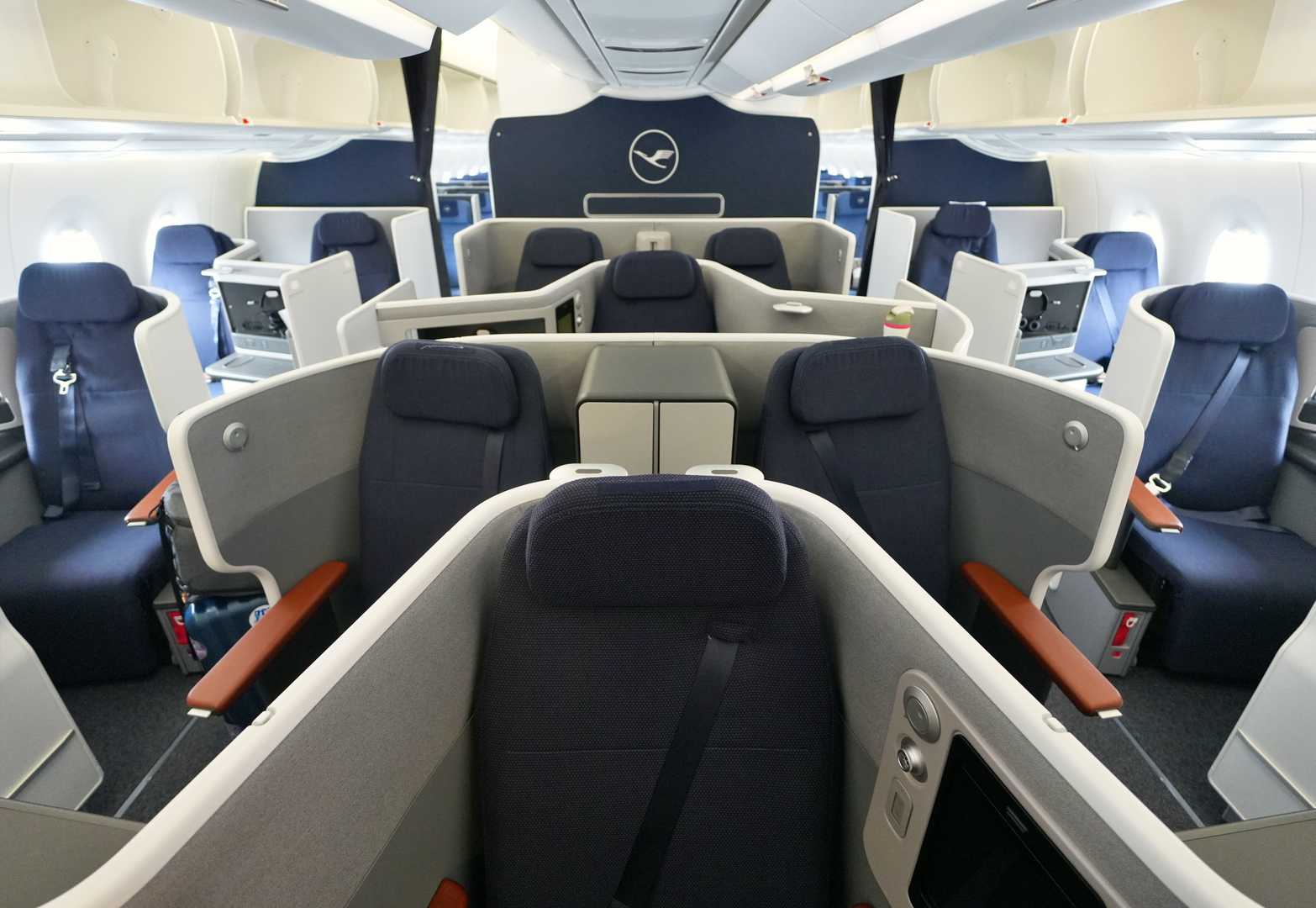
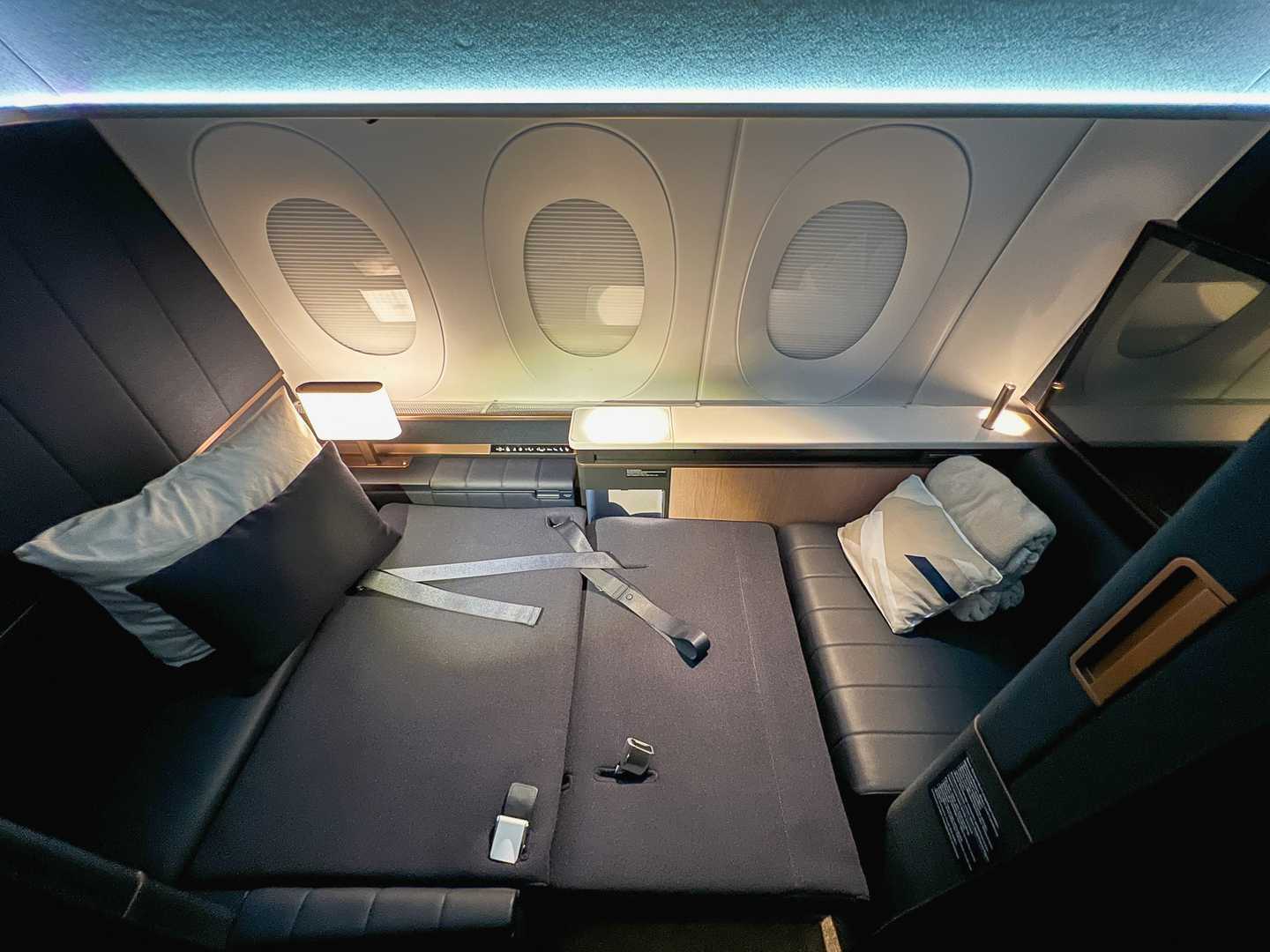
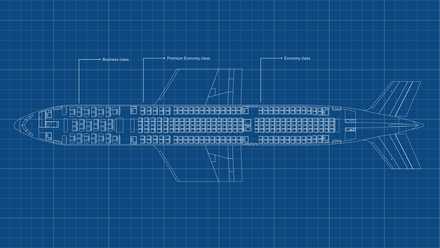
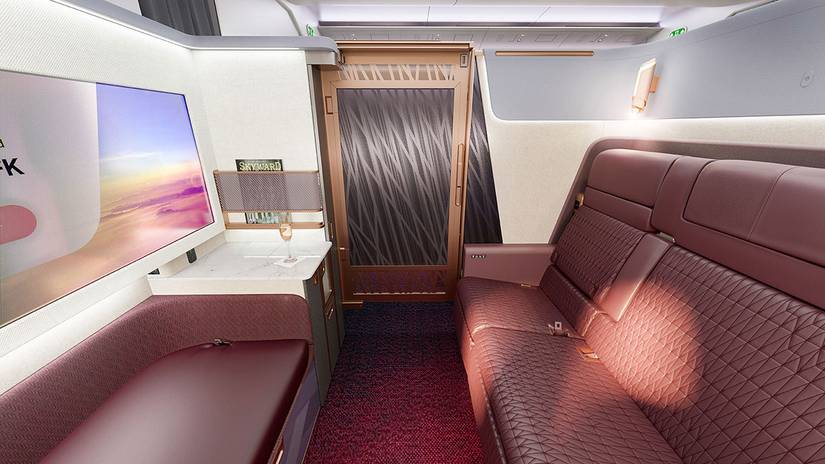
The Airbus A350 has cemented itself as the platform of choice for airlines rolling out their most advanced premium cabin products, but the widening gap between business and first class economics tells a clearer story about where airline capital is actually flowing. Only Lufthansa and Japan Airlines currently field an international first-class cabin on the A350, while major operators including Singapore Airlines, Cathay Pacific, Air France, Delta, Virgin Atlantic, Finnair and Iberia have all elected to position business class as their top-tier product. The A350's cabin architecture—a 6,000-foot cabin altitude, wider fuselage than the 787, higher humidity, and reduced noise—provides the physiological baseline that makes any premium cabin product feel better on long-haul sectors, but it's the floor-space economics that are driving airline decision-making: a first-class suite can consume the footprint of two to three business seats, and on a jet built around efficiency metrics, that trade-off increasingly doesn't pencil out for most carriers.
For working pilots, particularly those flying long-haul widebody international routes or supporting corporate flight departments that benchmark against airline premium products, this trend is a useful proxy for understanding fleet and route planning decisions upstream of the flight deck. Airlines aren't just choosing cabin configurations for competitive branding—they're making capacity allocation decisions that directly affect payload, range performance, and revenue per flight hour on ultra-long-haul missions like Qantas's Project Sunrise routes exceeding 20 hours. Pilots flying these missions should understand that premium cabin density and configuration weight distributions have real performance implications, and the shrinking first-class footprint reflects a broader operational calculus that mirrors decisions business aviation operators face when balancing cabin amenity investment against payload-range trade-offs on ultra-long-range bizjets.
The broader trend illustrated here—business class absorbing what were once first-class-exclusive features like suite doors, lie-flat beds, and direct aisle access—parallels a democratization pattern seen across commercial aviation over the past decade. Just as premium economy has narrowed the gap with legacy business class, current-generation business suites (Cathay's Aria Suite, Air France's newest business product, Delta One Suites) now deliver privacy and comfort levels that were first-class-exclusive a generation ago. This matters for corporate travel departments and flight operations managers who set travel policy: the value proposition of paying a 2-4x fare premium for first class is eroding on most A350 routes, making disciplined cost-benefit analysis increasingly relevant for travel managers overseeing executive and long-haul crew positioning travel.
Finally, this shift carries workforce implications worth noting. As airlines like Lufthansa and JAL double down on flagship first-class products as differentiators rather than volume plays, these become marquee routes with outsized brand and training significance—crews assigned to these premium cabins, including flight deck crews on aircraft configured with high-end first-class suites, often see these routes tied to seniority and prestige within airline bidding systems. For business aviation operators, the A350's cabin innovation cycle also serves as a competitive benchmark: as commercial first and business class narrow the comfort gap, private and fractional operators must continue justifying premium pricing through schedule flexibility, privacy, and mission customization rather than cabin hardware alone, reinforcing why bizav is increasingly competing on total trip value rather than seat comfort in isolation.







 Read original article