Here’s How Much Wider Premium Economy Is Compared To Economy Class
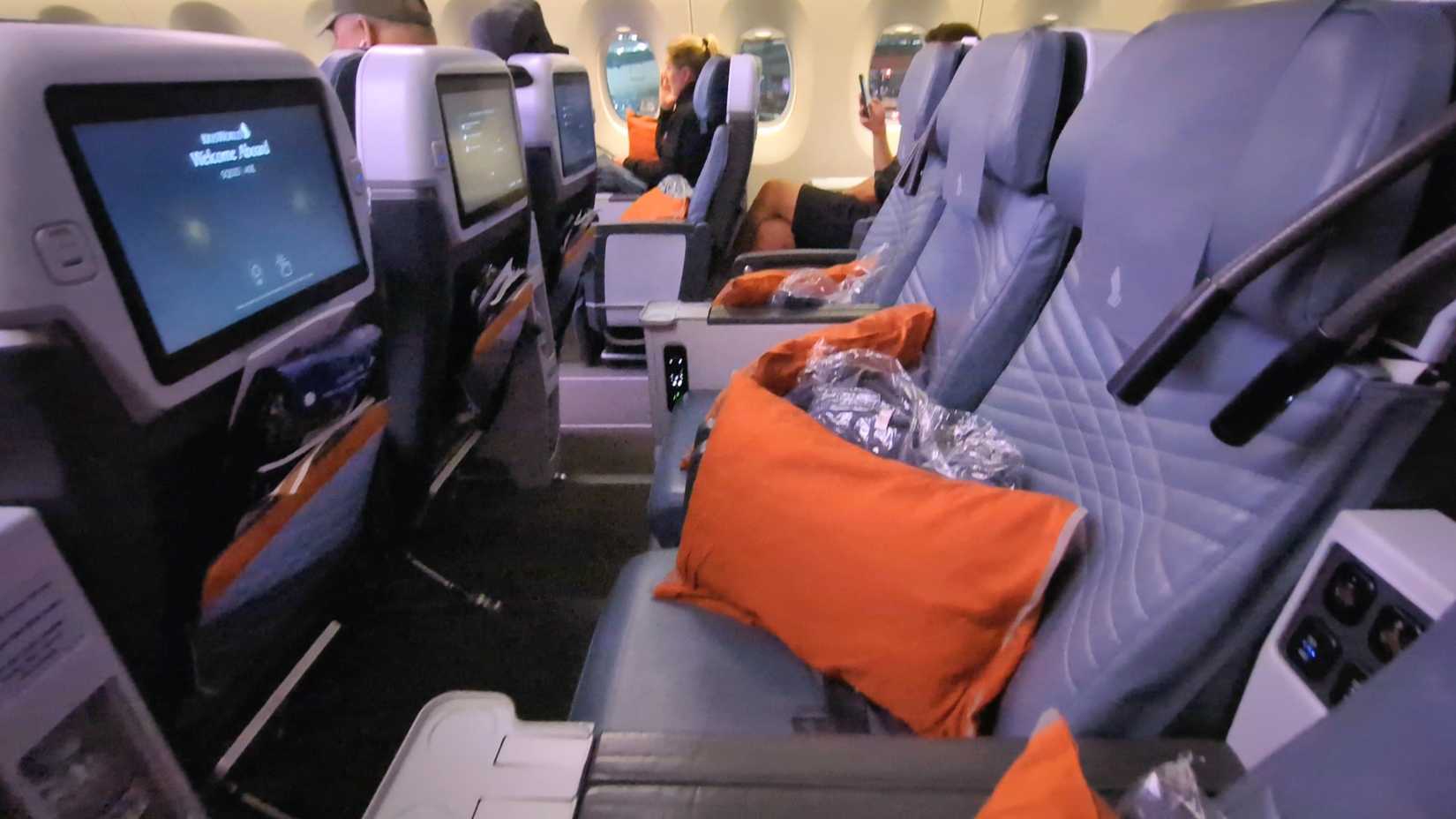
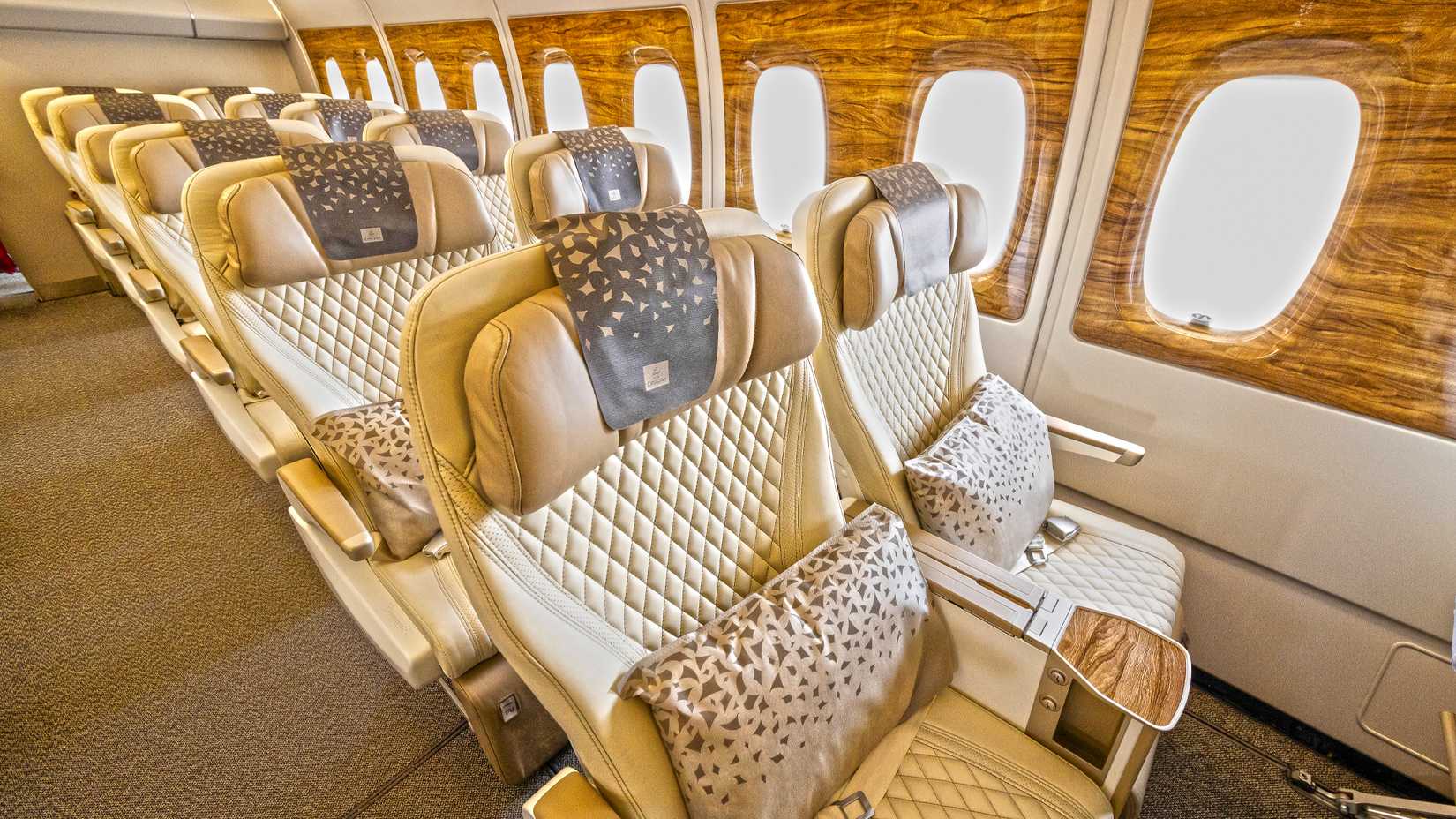
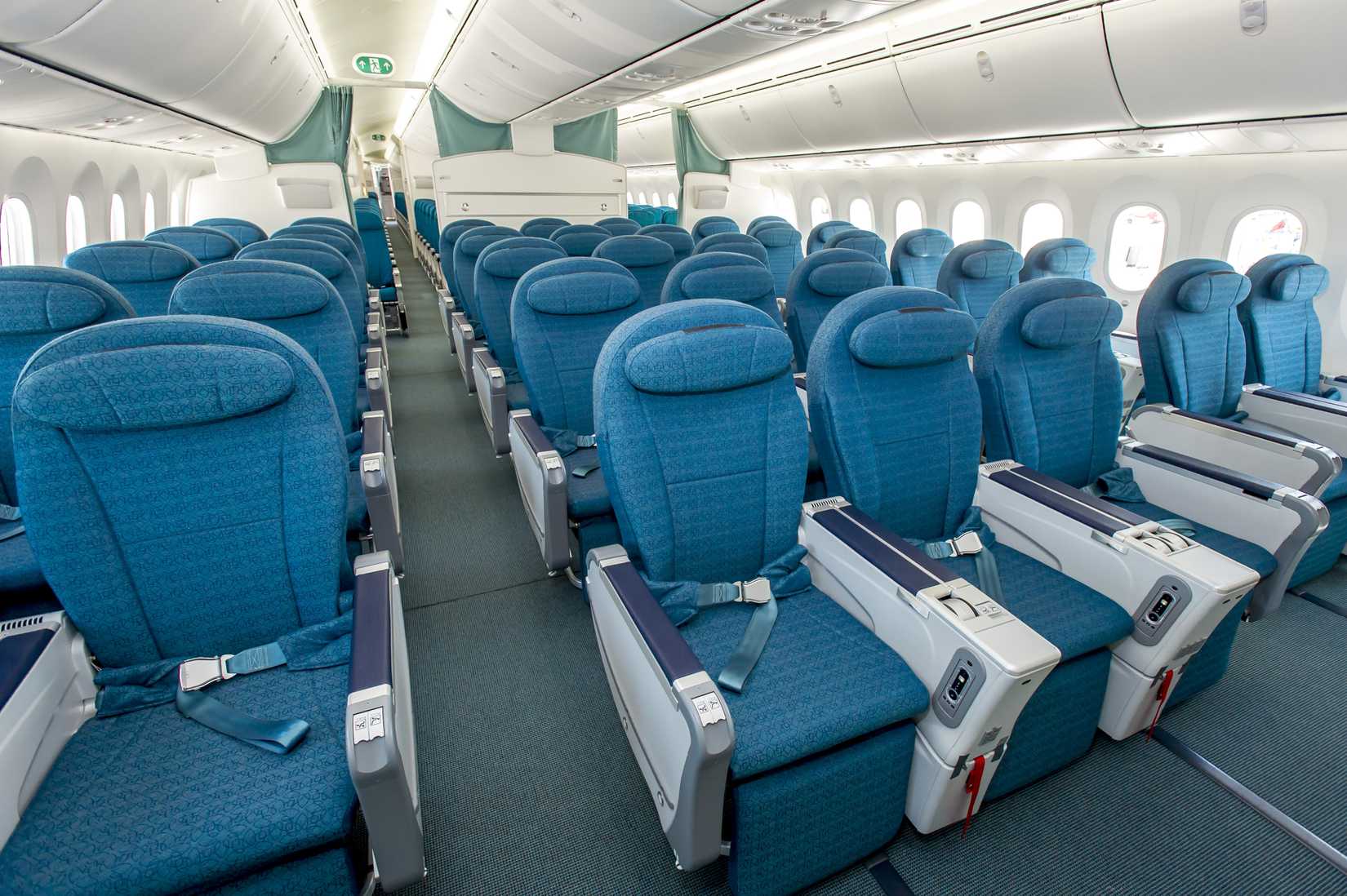
Premium economy's continued build-out across the widebody fleets of American, Delta, and United reflects a broader repositioning of long-haul cabin economics that has direct operational and revenue implications for crews and network planners alike. The core data point—premium economy seats running roughly 18.5 to 19.5 inches wide versus 16.5 to 18 inches in standard economy—translates to only a two-inch differential in most configurations, yet that modest gap has proven sufficient to drive a near-doubling of premium economy installations across the global widebody fleet over the past decade, now approaching 45% of aircraft. For flight crews, this matters less as a stick-and-rudder issue and more as a cabin management and weight-and-balance consideration: premium economy retrofits change seat count, galley and stowage allocations, and sometimes shift the aircraft's center of gravity envelope depending on how carriers redistribute the 2-4-2 versus 3-3-3/3-4-3 layouts across the fuselage. Dispatchers and load planners increasingly deal with widebody variants that carry meaningfully different passenger capacities and weight distributions depending on which premium economy configuration a given tail is carrying, even within the same fleet type—American's mix of 777-200, 777-300ER, 787-8, and 787-9 aircraft each potentially configured differently is a case in point.
The growth trajectory here—from 42 airlines offering premium economy in 2017 to nearly 90 by 2024—is a direct byproduct of post-pandemic revenue management strategy, and it's worth pilots and operators understanding the "why" behind it. With corporate travel demand recovering unevenly relative to 2019 baselines, airlines have leaned on premium economy and similar "premium leisure" products to capture higher yields from price-sensitive but comfort-seeking travelers who won't pay full business-class fares. This is the same dynamic driving American's stated strategy of growing premium seats faster than standard economy seats since 2019. For pilots flying international long-haul, this shift has tangible in-flight consequences: cabin crews now manage a more complex service delta between three or four distinct product tiers on a single aircraft, boarding and turn times can be affected by more granular boarding groups, and the "creeping premiumization" of what used to be a binary economy/business divide adds complexity to crew briefings and passenger flow, particularly on aircraft swaps where the advertised cabin doesn't match what's actually on the tail that day—a point the article specifically flags as an "aircraft swap risk."
More broadly, this trend connects to the widebody retrofit and cabin-renovation market that has become a substantial revenue line for MROs and completion centers, and it signals continued capital investment in long-haul fleets even as narrowbody-driven domestic and short-haul markets face their own capacity pressures. For business aviation professionals and charter operators, the widening gap between premium economy and standard economy on airlines is also relevant competitively: as scheduled carriers close the comfort gap between premium economy and older business-class products, the value proposition for private and fractional operators shifts further toward schedule flexibility, privacy, and access to secondary airports rather than pure seat comfort, since commercial carriers are increasingly able to offer a "good enough" premium experience at a fraction of business-class or charter cost. Airlines are effectively using premium economy as a yield-management tool to extract more revenue per widebody flight without the capital intensity of expanding true business-class cabins, and that strategy will likely continue driving retrofit cycles, seat-vendor contracts, and cabin-crew training requirements industry-wide for the foreseeable future.
Finally, the measurement inconsistencies noted in the underlying seat-width data—armrest-to-armrest versus cushion-level measurements, varying armrest thickness—are a reminder that published cabin specifications are marketing tools as much as engineering facts. Pilots who fly these aircraft, and operations staff who brief passengers or handle irregular operations involving cabin reconfiguration, should treat manufacturer and airline seat-width claims with the same skepticism reserved for any other soft spec, since the real passenger experience depends heavily on specific tail number, retrofit status, and route-specific configuration rather than a single published figure.







 Read original article