This Regional Jet Has Wider Economy Seats Than Some Widebodies & No Middle Seat
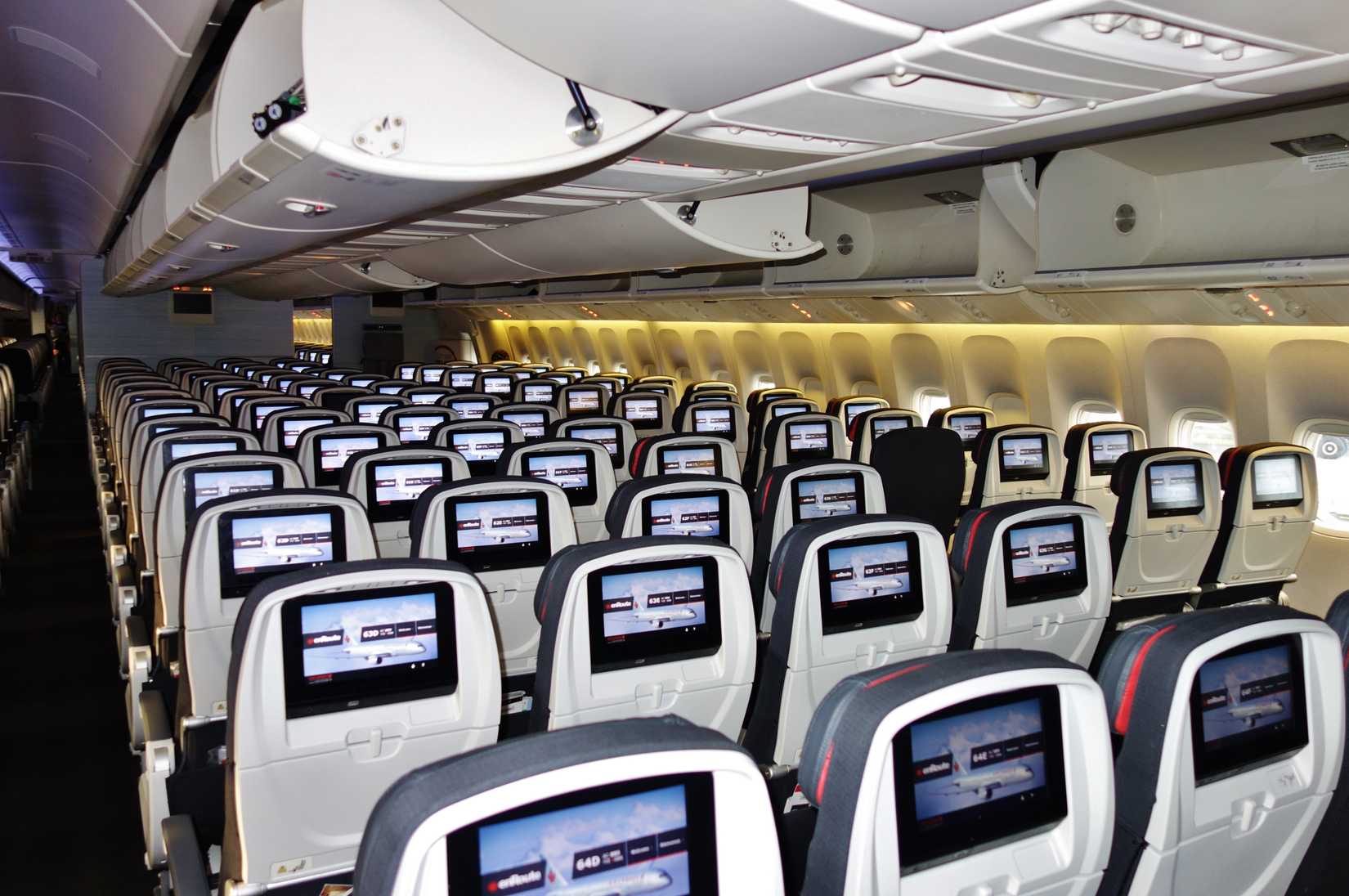
Embraer's E-Jet family has quietly become a case study in how cabin engineering philosophy diverges sharply between regional and mainline fleets, and the numbers back up what many frequent flyers have long suspected: a regional jet can outperform a widebody on the metrics that actually matter to a seated passenger. At 18.25 inches of seat width in a 2-2 configuration with no middle seat, the E-Jet beats the 17-17.2 inch seats now standard on ten-abreast 777s and nine-abreast 787s, and it also edges out the roughly 18-inch-or-narrower seats typical of 737 MAX and A320 narrowbodies. This is a direct consequence of two design decisions made at the aircraft's inception rather than retrofitted later: a four-abreast cross-section that was never subjected to the abreast-creep that widebodies have suffered as airlines chased incremental unit-cost gains, and a double-bubble fuselage that pushes the widest point of the cabin up to shoulder height instead of floor level, eliminating the inward taper that makes circular-fuselage regional jets like the CRJ feel claustrophobic at the window seat.
For working pilots, this matters less as a piloting concern and more as an operational and product-positioning one. Flight crews on E-Jet types, particularly at regional carriers flying E170/175s for major-airline partners, are increasingly operating equipment that outperforms mainline widebody product on comfort metrics even though it is dispatched on short-haul feeder routes. That creates an interesting dynamic in crew and passenger perception: pilots moving between fleet types are often asked by passengers why the "small plane" felt roomier than the long-haul jet they took last month, and understanding the cross-sectional engineering behind that question is useful for crews who interact with passengers on jet bridges and during boarding. It also has scheduling and network implications that flow down to pilots — airlines that recognize the E-Jet's comfort advantage have leaned on it for longer, higher-yield regional routes and even some transcontinental-adjacent missions, stretching duty patterns and route structures that were traditionally reserved for narrowbody mainline equipment.
The broader trend this reflects is the widening gap between how manufacturers optimize for density versus how they optimize for dwell time and passenger experience, and it is a trend every segment of aviation is wrestling with. Boeing and Airbus widebody customers have chased ten-abreast 777 and nine-abreast 787 configurations because the revenue math on long-haul routes rewards seat count, even at the cost of individual space; the result is that intercontinental economy has become tighter, in raw inches, than many regional cabins. This is the same pressure playing out in narrowbody world, where 18-inch seats are now treated as generous rather than standard. Business jet and Part 91/135 operators are largely insulated from this density arms race, since cabin comfort is the entire value proposition rather than a variable to be optimized against yield, but the E-Jet example is instructive for anyone advising airline clients or evaluating fleet strategy: comfort is not strictly correlated with aircraft size, and manufacturers that design cabins around ergonomics from the fuselage cross-section outward, rather than retrofitting seat counts into legacy tubes, can produce a demonstrably better product even on a smaller airframe.
Finally, this dynamic is likely to intensify as airlines continue to use regional jets for longer segments and as passenger comfort becomes a more visible differentiator in a crowded network-carrier market. Embraer's E2 generation continues this design lineage, and as regional fleets take on longer stage lengths and higher-frequency premium-adjacent routes, the comfort delta between "regional" and "mainline" will keep narrowing, or in some cases inverting. For pilots and operators tracking fleet planning decisions, cabin cross-section and seat-width data are becoming as relevant to competitive positioning as range and fuel burn, particularly as airlines market equipment type directly to increasingly comfort-conscious travelers booking connections.







 Read original article