Alaska Airlines Boeing 737 Forced Into 'Lockdown Protocol' After Threat To Take Over Jet
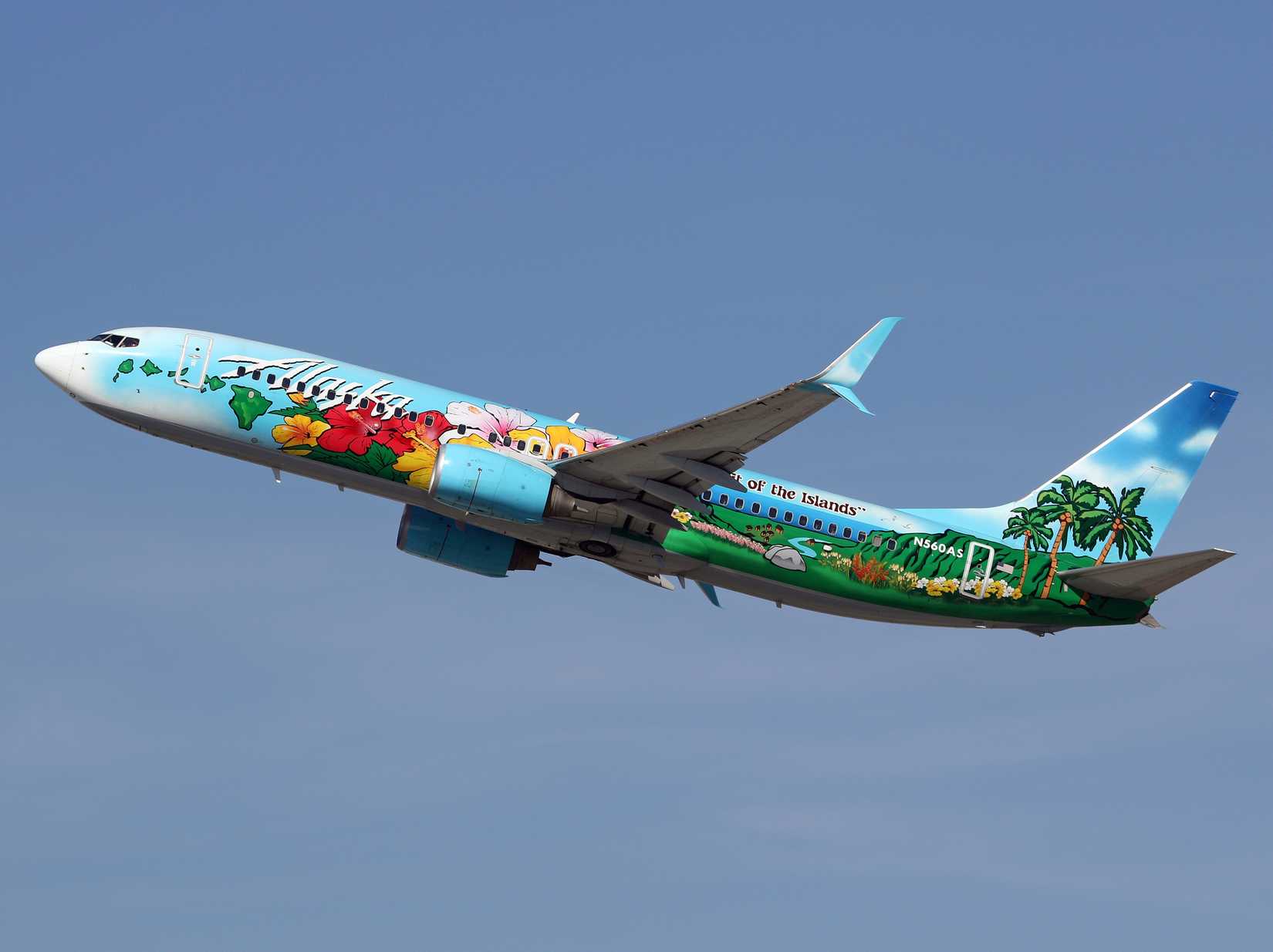
Alaska Airlines Flight 305's aborted departure from Miami International Airport on Sunday offers a textbook illustration of how post-9/11 flight deck security protocols function in practice when a threat, even an ultimately unsubstantiated one, surfaces in the cabin. According to ATC audio captured and shared publicly, the flight crew reported that passengers had "threatened to take the aircraft over," prompting the pilots to set the parking brake, shut down the engines while still on the ramp, and formally invoke "lockdown protocol" with the tower. That protocol, standardized across U.S. carriers since the 2001 attacks, electronically seals the reinforced cockpit door and prohibits its opening under any circumstances until the threat is resolved. The Boeing 737-800 never left the gate area in a meaningful sense operationally, but the entire aircraft was evacuated so Miami-Dade Sheriff's Office deputies could investigate. Authorities ultimately found no credible threat, and the two passengers involved were rebooked on another flight rather than arrested.
For working pilots, this event is a useful real-world reinforcement of training that many crews rarely have to execute outside of recurrent simulator sessions. The sequence the Flight 305 crew followed — brakes set, engines shut down, doors locked, law enforcement notified via ATC — is precisely the choreography taught in CRM and security modules: isolate the flight deck first, then manage the aircraft's physical state, then let ground authorities handle the disruptive parties. Notably, the crew did not attempt to adjudicate the situation themselves or delay the lockdown pending more information from the cabin; they treated the report from flight attendants as sufficient trigger, which is the correct threshold under FAA and carrier SOPs. This matters because ambiguity in these situations is common — cabin crew often relay secondhand or incomplete information under stress — and the doctrine is deliberately conservative: any credible verbal threat toward taking control of the aircraft warrants an immediate lockdown response rather than a wait-and-see approach. The incident also underscores the critical role of ATC recordings as a permanent, unimpeachable record of crew decision-making, which becomes important both for post-event review and for any subsequent civil or regulatory action against the passengers.
The article's discussion of consequences also highlights a legal gray zone that operators and pilots deal with regularly: local law enforcement declining to press criminal charges does not mean the disruptive passengers walk away unscathed. Airlines retain broad discretion to deny future service, and Alaska's corporate family (including Hawaiian Airlines and Horizon Air following their 2024 merger) can extend a ban across all three brands. Separately, the FAA can pursue civil penalties — historically running into the tens of thousands of dollars — for interference with a flight crew, independent of whether local police act. If evidence suggests the threats rose to the level of federal interference statutes, the case could still be referred to federal prosecutors, carrying up to 20 years' exposure, though the "no credible threat" finding here makes that outcome unlikely. Airlines have also increasingly pursued civil litigation against unruly passengers to recover costs associated with diversions, cancellations, deplaning, and rebooking, a trend that has grown since the surge in unruly passenger incidents during and after the pandemic.
More broadly, this incident fits into a continuing pattern the industry has grappled with since 2021: elevated rates of passenger disruptions, threats, and interference events that have pushed carriers, unions, and the FAA toward stricter enforcement and zero-tolerance messaging. While the raw numbers of unruly passenger reports have declined from their 2021 peak, incidents involving language specifically invoking hijacking or "taking over" an aircraft remain especially sensitive given the post-9/11 security architecture built around flight deck integrity. For flight crews, dispatchers, and airline security teams, Flight 305 reinforces that the cost of a false alarm — a cancelled flight, a full deplaning, a law enforcement response, and reputational scrutiny — is still far lower than the cost of a missed genuine threat, which is precisely why the lockdown protocol is designed to be invoked early and without hesitation.




 Read original article