Is It True That The World Is Running Short On Widebody Aircraft?
The global widebody aircraft shortage documented in this analysis represents one of the most consequential supply-demand imbalances in modern commercial aviation, with implications that extend well beyond the handful of carriers directly ordering these aircraft. Both Airbus and Boeing are effectively sold out of widebody production slots well into the 2030s, with Airbus carrying a combined backlog of 1,168 A330neo and A350 aircraft and Boeing holding orders for 1,843 787s, 777Xs, and 777Fs. Production rates simply cannot keep pace: Airbus is building A350s at six per month against an original target of ten, while Boeing's 787 line has only recently stabilized at eight per month after quality-control issues dropped output to four in 2024. For airlines planning fleet renewal or capacity growth on long-haul international routes, this means multi-year waits, forced reliance on leasing markets, or extending the service life of aircraft that were originally slated for retirement.
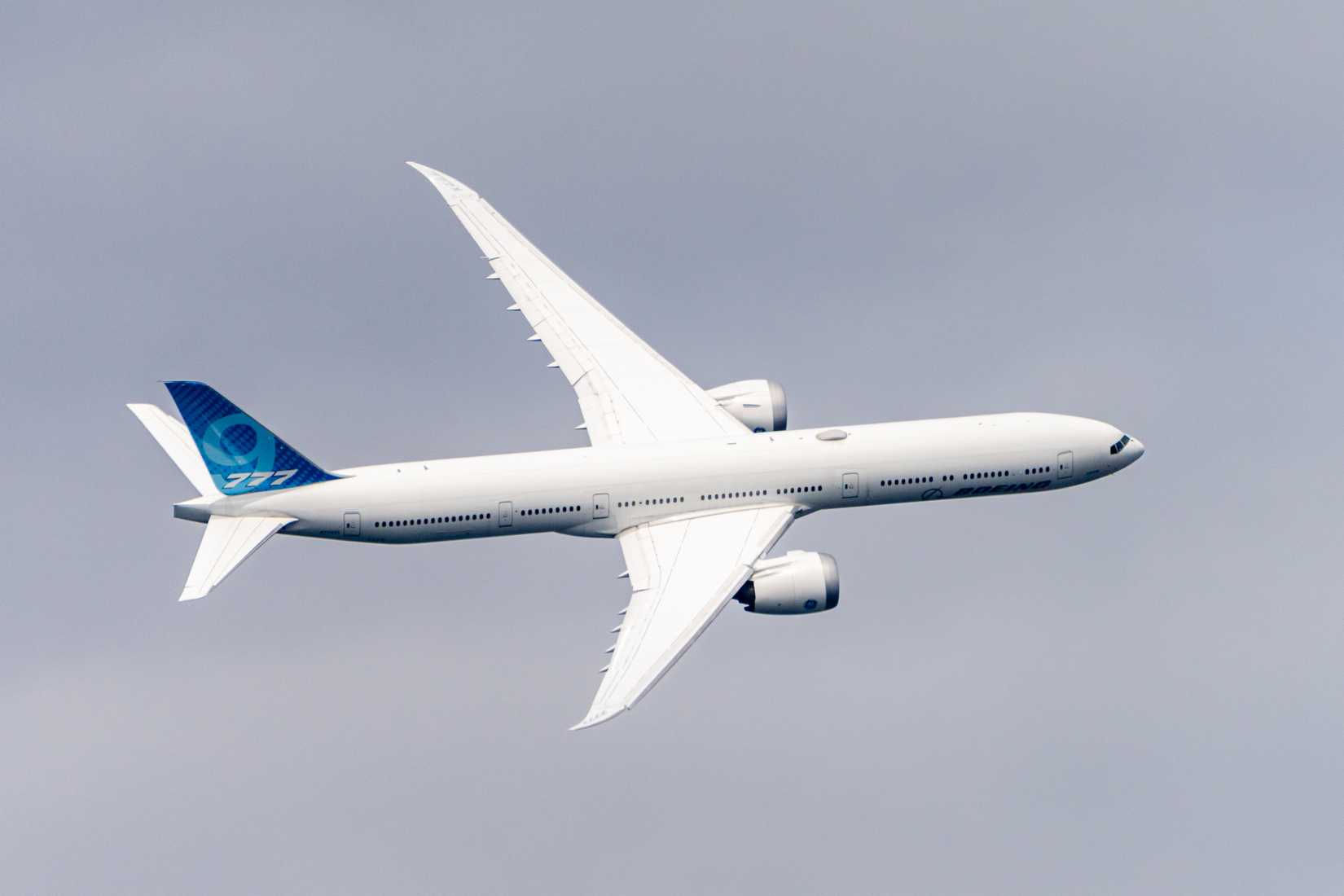
The Boeing 777X saga is the starkest illustration of how deeply these delays cut into airline strategy. Originally due for delivery in 2020, the 777-9 has slipped repeatedly and now isn't expected to enter service until 2027—a seven-year delay that has left major customers like Emirates, Qatar Airways, and Cathay Pacific with zero aircraft against combined orders exceeding 360 units. Sir Tim Clark's public frustration at Emirates, where he expected over 100 777-9s by now versus the zero actually delivered, underscores how program slippage forces airlines into costly workarounds: retaining older 777s and even 747-400s well past intended retirement, introducing new premium cabin products on stopgap aircraft types, and reworking network and fleet-renewal timelines built around assumptions that no longer hold. For flight departments and airline planning groups, this is a case study in how OEM certification delays cascade into real operational and financial consequences—crew training pipelines, maintenance planning for aging fleets, and cabin product rollouts all get disrupted when a flagship aircraft type doesn't show up on schedule.
The root causes—pandemic-era production slowdowns, retirement of skilled aerospace labor, raw material shortages, and now well-documented issues at supplier facilities like the former Spirit AeroSystems plant in Kinston, North Carolina—mirror the narrowbody engine-availability crunch that has similarly constrained Airbus and Boeing single-aisle output, though the widebody situation is compounded by the sheer complexity of long-haul aircraft systems and engine programs from GE and Rolls-Royce. This is not a temporary blip; both manufacturers' stated ramp-up targets (Airbus reaching 12 A350s per month by 2028, Boeing eyeing up to 16 787s eventually) depend on supply chains healing that have shown persistent fragility for over five years running. For working pilots, particularly those flying widebody equipment at legacy carriers, this translates into extended type-currency on older frames, potential delays in fleet modernization that affects cockpit ergonomics and systems upgrades, and continued reliance on aircraft that may be pushed past typical retirement windows with attendant maintenance and reliability considerations.
More broadly, this shortage reflects a structural shift in how airlines must think about capacity planning in a post-pandemic world where manufacturer promises carry more schedule risk than they did a decade ago. Carriers that bet heavily on a single widebody type—as Emirates has with the 777X—face concentrated exposure when that program slips, while operators with diversified widebody fleets (mixing 787s, A350s, and legacy 777s or A330s) have more flexibility to absorb delays. For business aviation and cargo operators watching this space, the widebody freighter delays (777-8F now pushed to 2029, A350F to second-half 2027) signal that air cargo capacity growth will also be constrained, potentially keeping belly-cargo and freighter lift tighter and pricing firmer for longer than carriers might prefer. The overall lesson for the industry is that aircraft delivery schedules are no longer a reliable planning input, and airlines, lessors, and even corporate flight departments evaluating large-cabin long-range aircraft should factor multi-year schedule risk into any acquisition decision involving current-generation widebody programs.








 Read original article