Buying charter with crypto ‘no longer a novelty’, says Swapin’s Ivar Jaanus | Corporate Jet Investor | CJI news
Cryptocurrency payments in private aviation are shifting from a fringe curiosity to a mainstream settlement option, according to Ivar Jaanus, head of business development at Estonia-based crypto payment processor Swapin. In an interview with Corporate Jet Investor, Jaanus describes a maturation process that mirrors what's happened in luxury real estate and superyachting: stablecoins, cryptocurrencies pegged to fiat currencies like the dollar or euro, have moved beyond speculative trading into a practical financial tool for high-value, time-sensitive transactions. Swapin's aviation-sector business has grown steadily since 2022, driven initially by crypto-native customers but increasingly by a broader base of entrepreneurs and international clients who simply hold part of their wealth in digital assets and want to deploy it without the friction of currency conversion.
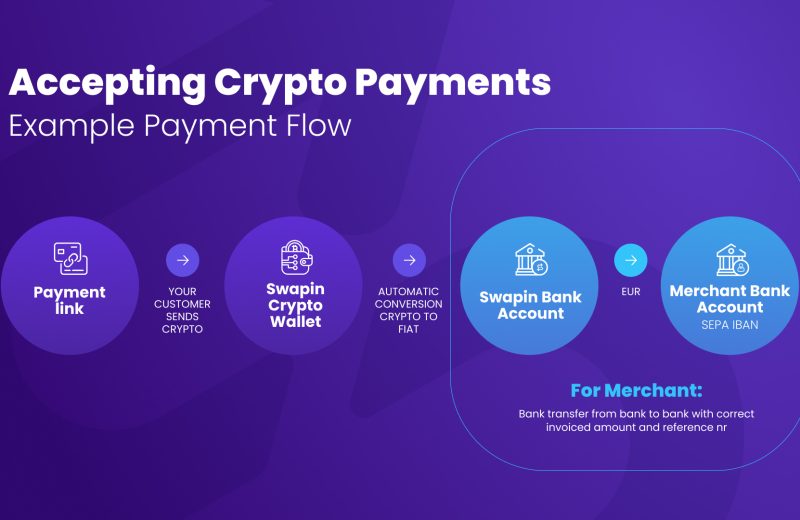
For charter operators and brokers, the appeal centers on speed and international reach rather than ideology. Jaanus notes that private aviation bookings are frequently made at short notice and involve cross-border counterparties, a combination that doesn't pair well with traditional wire transfers, which can take days to clear and often incur correspondent banking fees. Stablecoin settlement can compress that timeline dramatically, letting an operator confirm a payment and release an aircraft for dispatch far faster than waiting on SWIFT transfers to clear, particularly when a client is in a different time zone or banking jurisdiction. Swapin's model is deliberately low-friction for operators: payment links, QR codes and simple invoice integrations let a charter company start accepting crypto without altering its existing accounting or banking relationships, since the operator still receives fiat currency (EUR, GBP, USD) on the back end while the client pays in stablecoins. That structure sidesteps one of the biggest historical objections to crypto adoption in aviation — that operators would be forced to hold volatile assets or navigate unfamiliar treasury management.
For working pilots and flight departments, this trend is unlikely to change day-to-day operations directly, but it matters as an indicator of how the charter and fractional markets are adapting to a new generation of buyers. Brokers, FBOs, and Part 135 operators competing for high-net-worth clientele — especially internationally mobile entrepreneurs, tech wealth, and clients based in regions with less efficient banking infrastructure — increasingly need to offer flexible settlement options as a competitive differentiator, much as they've had to accommodate corporate cards, escrow services, and multi-currency invoicing in the past. Jaanus frames the current phase as network-effect driven: referrals among brokers and operators, rather than top-down marketing, are now the primary growth channel, suggesting the practice has moved past early-adopter status into quieter, word-of-mouth normalization within the industry's tightly connected broker and operator community.
More broadly, this development fits into a pattern seen across business aviation over the past decade: incremental modernization of back-office and transactional infrastructure trailing well behind the industry's technological advances in avionics, connectivity, and fleet management. Payment friction, KYC/AML compliance, and cross-border settlement have long been pain points in charter brokerage, and crypto's push into the sector reflects the same forces reshaping payments in other luxury and asset-heavy industries — demand for speed, disintermediation of slow banking rails, and clientele who transact globally and expect frictionless liquidity. For flight departments, brokers, and charter management companies evaluating vendor relationships or payment processors, the message from Swapin is that crypto acceptance is becoming a baseline expectation among certain client segments rather than a marketing gimmick, and operators who ignore it risk losing bookings to competitors who can settle a six- or seven-figure charter invoice in minutes instead of days.