Archer to acquire rival Wisk as Boeing broadens its asset sales
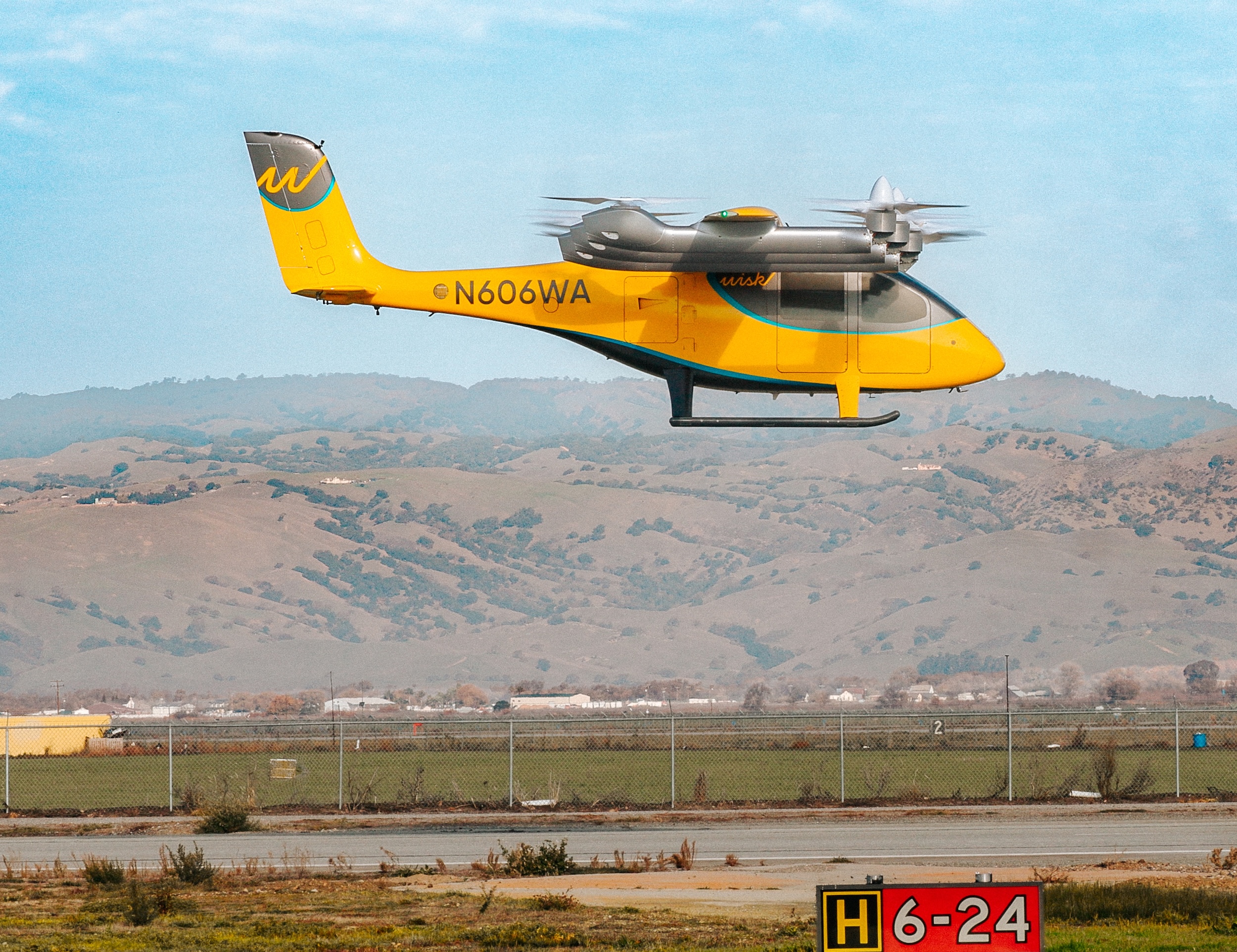
Archer Aviation's agreement to acquire Boeing's Wisk Aero, SkyGrid, and Insitu subsidiaries in an all-stock transaction marks one of the most significant consolidation moves yet in the advanced air mobility (AAM) sector, and it further cements Boeing's retreat from a business line it once championed as a strategic bet on urban air mobility. Under the deal, Boeing becomes Archer's largest outside shareholder, invests up to $55 million in an upcoming funding round, and receives warrants for up to $200 million in additional Archer stock. Critically, the two companies will also enter a cross-licensing agreement giving Boeing access to Wisk's autonomous flight technology — technology Boeing has signaled it wants for both commercial and defense applications, including what industry watchers widely interpret as early groundwork for an eventual 737 successor with greater automation or reduced-crew concepts.
For pilots and flight operations professionals, this transaction is notable less for its eVTOL implications and more for what it reveals about the trajectory of autonomous flight technology bleeding into mainstream commercial aircraft development. Wisk built its identity around certifying a fully autonomous, pilotless air taxi — a much more aggressive stance than Archer's piloted Midnight aircraft or Joby Aviation's approach. By folding Wisk's autonomy IP into Boeing's core commercial airplane product roadmap, the deal suggests that autonomous and reduced-crew flight-deck technologies, long discussed as a distant possibility for Part 121 operations, are quietly advancing through adjacent acquisitions rather than headline-grabbing single-pilot program announcements. Airline pilots, unions, and regulators watching the slow drift toward reduced crew complements should note that this technology transfer happens well outside the public FAA rulemaking spotlight, embedded instead in a corporate restructuring deal.
The acquisition also has immediate relevance for Archer's diversification beyond the passenger eVTOL air taxi market it originally targeted. CEO Adam Goldstein indicated the Wisk talent pool will accelerate Archer's hybrid-electric "loyal wingman" drone program developed jointly with Anduril Industries — a clear pivot toward defense applications as the commercial eVTOL certification timeline continues to prove slower and more capital-intensive than early projections suggested. This mirrors a broader trend across the AAM industry, where companies originally focused on urban air mobility passenger service (Archer, Joby, and others) are increasingly hedging into defense contracts and uncrewed systems to generate near-term revenue while certification and infrastructure for passenger eVTOL operations remain years away. Insitu, a longtime maker of small military drones, further strengthens this defense-oriented reorientation within the newly combined entity.
For Boeing, shedding Wisk, SkyGrid, and Insitu while retaining licensing rights and equity upside represents a pragmatic exit from non-core ventures amid the company's ongoing efforts to stabilize its balance sheet and refocus engineering resources on core commercial and defense priorities — namely the 737 MAX, 777X, and its defense portfolio. This continues a broader pattern of Boeing offloading peripheral businesses acquired during its pre-pandemic diversification push, a trend operators and industry observers should watch closely as an indicator of where Boeing intends to commit its limited engineering and capital resources over the next decade. For business aviation and airline operators alike, the deal is a reminder that the eVTOL and AAM sector's consolidation phase is accelerating, and that legacy aerospace manufacturers are increasingly comfortable monetizing IP and taking equity stakes rather than directly operating in these emerging markets themselves.