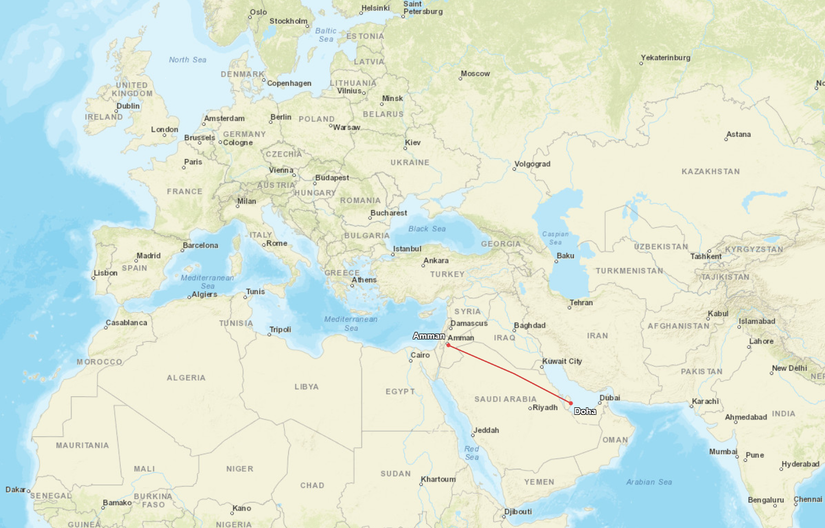
1 Day Only: Qatar Airways To Operate Its 1st Airbus A380 Flight To This City [Map]
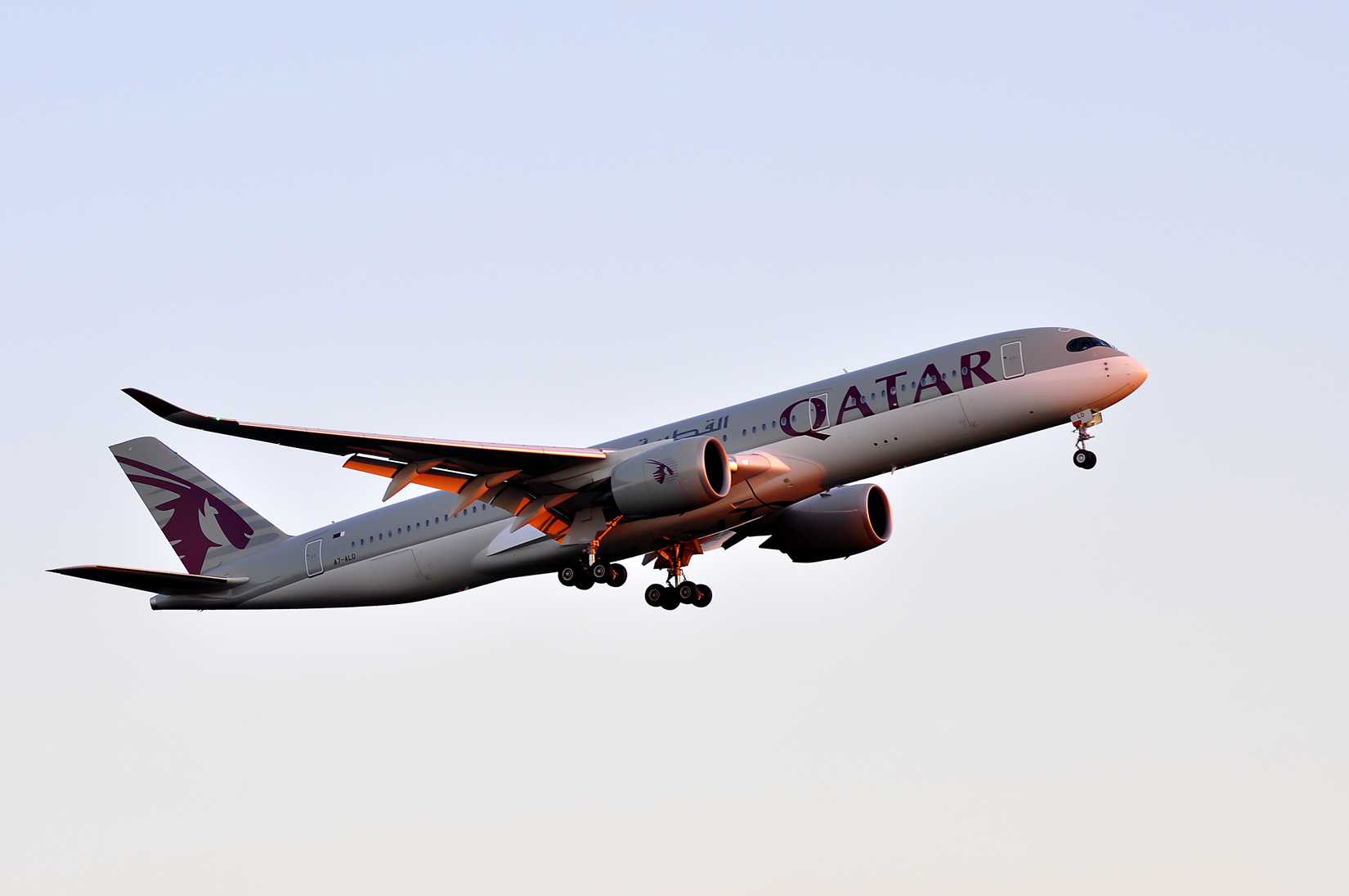
Qatar Airways has filed a one-off Airbus A380 rotation on its Doha-Amman route for January 28, 2027, marking the first time the carrier will deploy its flagship superjumbo on this three-hour sector between Hamad International Airport and Queen Alia International Airport. The move is notable because Qatar Airways has never operated the A380 to Jordan on a scheduled basis, relying instead exclusively on widebody twinjets—primarily the 777-300ER and 787-9—for its dense schedule of three daily rotations on the route. The single round trip, filed as QR402/QR403, will see a 90-minute turnaround in Amman, a tight but not unreasonable window given Airbus's own guidance that most operators budget closer to two hours for A380 ground handling. As of publication, Qatar Airways has not disclosed the operational rationale behind the swap, leaving industry observers to speculate whether this is tied to fleet rotation logistics, maintenance scheduling, crew training, charter-style demand for a specific date, or even a marketing/route-proving exercise ahead of a potential capacity shift.
For working pilots and flight operations planners, one-off widebody swaps like this one are a useful window into how major international carriers manage fleet flexibility and irregular operations. Deploying an A380 on a route normally flown by twinjets requires coordination across multiple disciplines: gate and stand compatibility at the receiving airport (Amman does have A380 experience thanks to Emirates' daily rotation, easing some infrastructure concerns), ground handling equipment capable of servicing four engines and a double-deck cabin, load planning for a jet with more than five times the passenger capacity of a typical narrowbody, and crew qualification currency on type. For pilots who fly the A380 or aspire to, these irregular assignments are often where type-rated crews pick up unusual sector experience—short-haul flying on an aircraft designed and optimized for ultra-long-haul missions presents its own performance and fuel-planning quirks, since the jet's economics and range capability are built around 12+ hour missions, not three-hour hops.
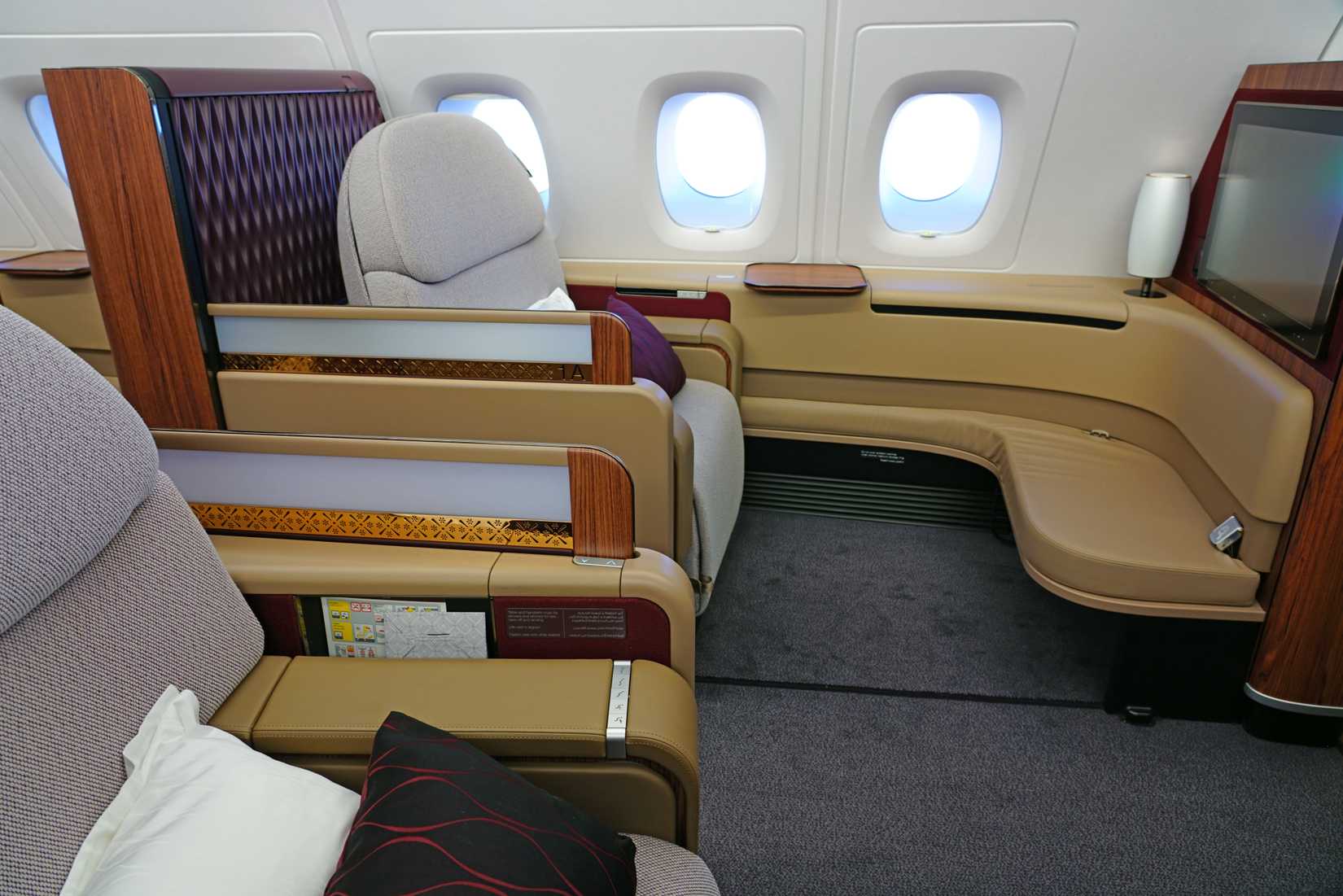
The broader context here also touches on a live debate in the industry about the A380's future role. Qatar Airways operates a considerably denser A380 configuration than many peers, with 517 total seats skewed heavily toward economy (89.2%), reflecting a strategy oriented around high-capacity trunk routes and hajj/peak-demand surges rather than premium-heavy long-haul flying. Emirates, by contrast, has embraced the A380 more broadly across its Amman service, flying it daily alongside twinjets—illustrating two different philosophies among Gulf carriers on how aggressively to leverage the superjumbo on shorter regional routes versus reserving it for marquee long-haul markets. With Airbus no longer producing new A380s, both carriers are managing finite, aging fleets, and how they choose to deploy this shrinking pool of aircraft—including through occasional charter-like one-off rotations—offers insight into fleet lifecycle planning, spare-aircraft positioning, and how much flexibility legacy A380 operators retain even a decade or more after the aircraft's peak production years.
Finally, this filing is a reminder to schedulers and network planners across the industry that irregular widebody substitutions, even on high-frequency short-haul routes, remain a normal part of Gulf carrier operations given their hub-and-spoke reliance on large, interchangeable long-haul fleets. Whether driven by heavy maintenance checks displacing aircraft from their usual pairings, a need to reposition the A380 for an upcoming long-haul assignment, or simple capacity testing ahead of a potential permanent upgauge, these one-day swaps rarely make headlines on their own merits but offer valuable signals about fleet utilization strategy at carriers operating some of the most complex long-haul networks in the world. Simple Flying's outreach to Qatar Airways for an official explanation underscores that even aviation enthusiast media treats these anomalies as noteworthy enough to chase down, reflecting how closely route-data services like Cirium and Aero Routes are now scrutinized by both industry professionals and the flying public for early signals of network changes.





 Read original article