Why Roughly 80% Of Trans-Pacific Cargo Flights Quietly Stop At This One Alaskan Airport
Anchorage's Ted Stevens International Airport occupies a peculiar and often overlooked position in global aviation: it is one of the world's busiest cargo airports despite serving a metropolitan population under 300,000 and generating almost no local freight demand of its own. The explanation is pure aeronautical physics combined with geography. Sitting roughly 9.5 hours' flying time from about 90% of the industrialized world, ANC occupies a sweet spot between East Asian manufacturing centers and North American consumer markets. Rather than tankering enough fuel for a full trans-Pacific crossing, freighter operators can schedule a technical stop, refuel, swap crews, and depart with as much as 100,000 additional pounds of revenue cargo compared to a nonstop routing. For an industry where every pound of fuel is a pound of freight not carried, that trade-off is decisive, and it explains why Anchorage consistently ranks alongside Hong Kong, Shanghai Pudong, and Memphis as one of the top four cargo airports on Earth, even though it functions almost entirely as a transit point rather than a sorting hub like Memphis or Louisville.
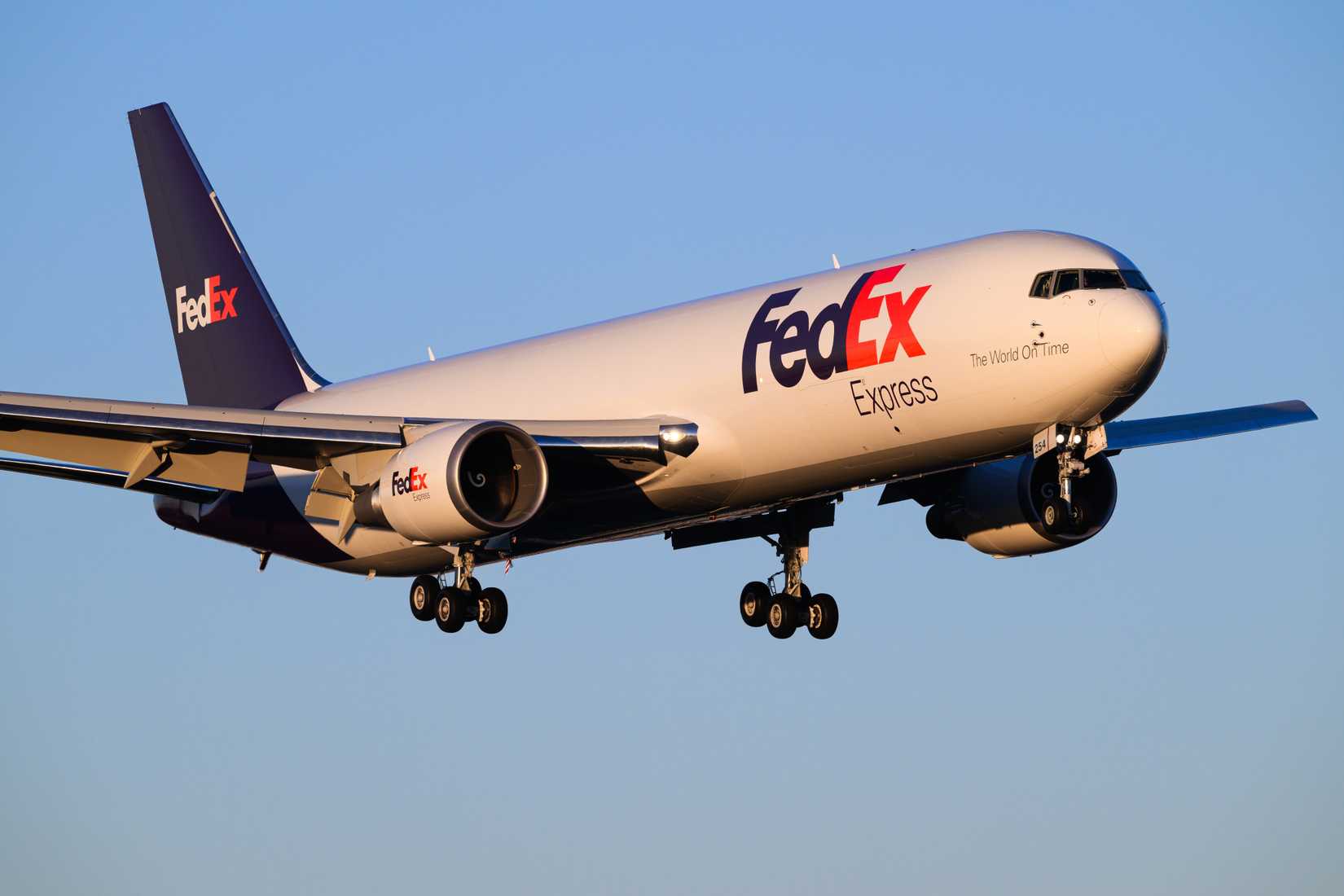
For working pilots—particularly those flying widebody freighters for carriers like Cathay Pacific Cargo, UPS, FedEx, Polar Air Cargo, or Atlas Air—Anchorage represents a routine but operationally significant fixture of trans-Pacific scheduling. Technical stops of this kind demand precise fuel planning, tight turnaround coordination, and familiarity with cold-weather ground operations, de-icing procedures, and Arctic routing considerations that differ meaningfully from typical long-haul passenger operations. Crew rest and duty-time regulations also come into play differently on multi-leg cargo rotations that include a mid-Pacific stop, and dispatchers and flight planners must weigh landing fees and ground handling costs against the substantial payload gains achievable through the reduced-fuel, stop-and-go model. The airport's unusually liberal cargo transfer rights—allowing foreign carriers to move freight between aircraft on the ground without the complex bilateral restrictions found elsewhere in the US—add another layer of flexibility that operations planners actively build into fleet and network strategy, not just individual flight plans.
The Anchorage phenomenon also illustrates a broader truth about cargo aviation that differs sharply from the passenger side of the business: nonstop service is not inherently the goal. While passenger carriers market direct routings as a premium feature, cargo economics are governed by payload-range tradeoffs where an intermediate stop can materially increase revenue per flight. This underscores why cargo network design, fleet planning, and technical-stop infrastructure remain a distinct discipline within airline operations, one that business aviation and passenger-focused pilots may rarely encounter but that underpins the just-in-time global supply chains moving electronics, pharmaceuticals, and e-commerce goods around the world.
More broadly, Anchorage's continued relevance amid advances in aircraft range—newer widebody freighters like the 777F and 747-8F offer greater range capability than older generations—raises questions about how durable this technical-stop model will remain as fleets modernize. Yet even as range improves, the fundamental payload-versus-fuel calculus that makes Anchorage valuable is unlikely to disappear entirely, particularly as e-commerce volumes and trans-Pacific freight demand continue to grow. For pilots and operators tracking infrastructure investment, airport slot availability, and route planning trends, ANC serves as a reminder that some of the most consequential nodes in global aviation are not the ones passengers ever see, and that cargo network resilience depends heavily on maintaining specialized hub capacity in strategically located, often unglamorous locations.














 Read original article