Boeing Hands Flying-Taxi Venture To Archer Aviation With Nearly 20% Stake
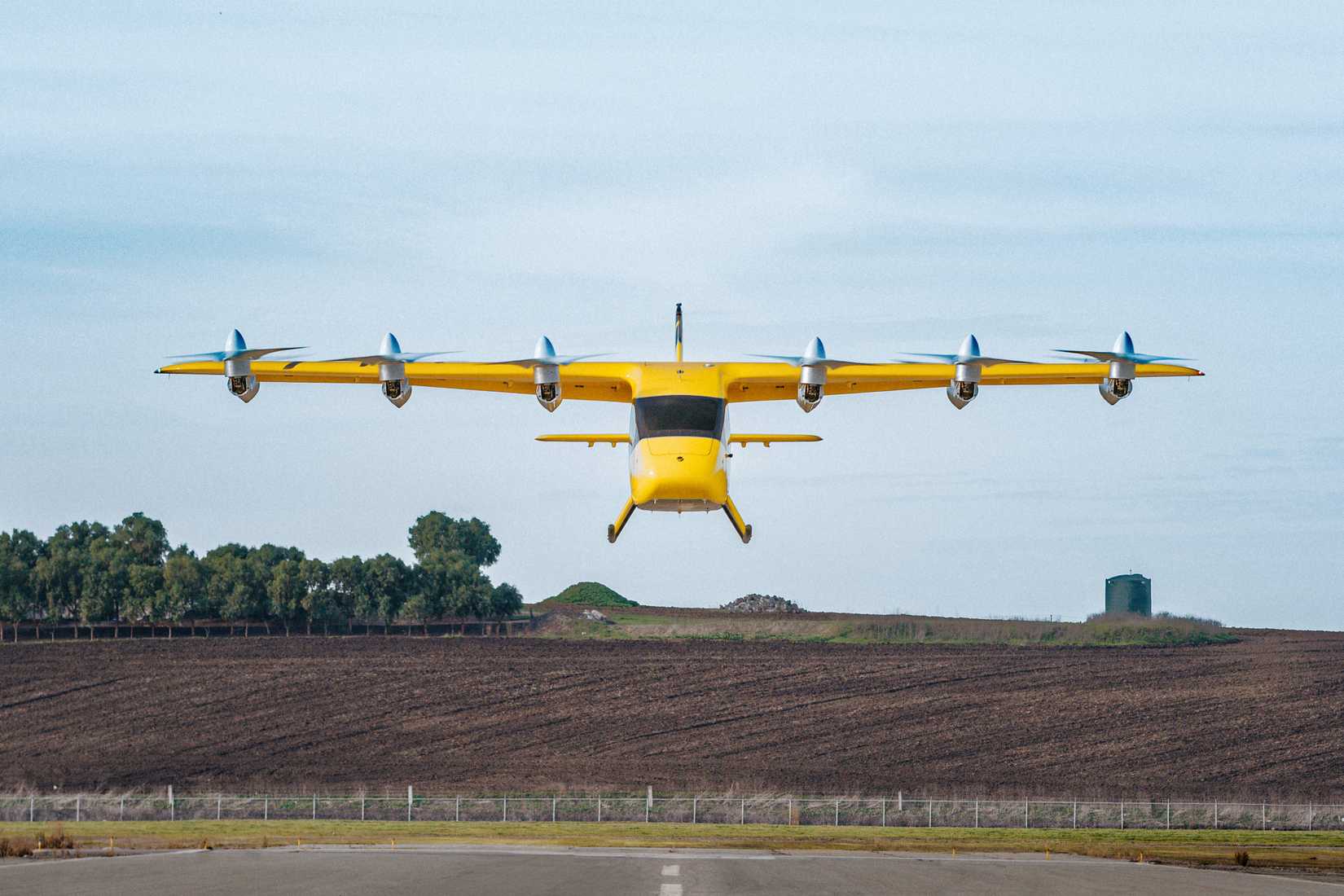
Boeing's decision to hand over Wisk Aero, Insitu and SkyGrid to Archer Aviation marks one of the more significant restructurings in the advanced air mobility (AAM) sector to date, and it reveals as much about Boeing's strategic priorities as it does about Archer's ambitions. Rather than a traditional cash sale, the transaction is structured as an equity-for-assets swap: Archer issues Boeing new Class A shares equal to 19.75% of its outstanding stock, along with warrants exercisable at $13 and $17.88 per share, board representation, and continued licensed access to Wisk's autonomy technology. For Boeing, this preserves upside exposure to a still-unproven but potentially transformative technology sector while offloading the capital burden and operational distraction of running three disparate businesses—an autonomous eVTOL developer, a military ISR drone maker, and a digital airspace management provider. The move fits squarely within CEO Kelly Ortberg's stated philosophy of "doing less and doing it better," following the earlier $10.55 billion sale of Jeppesen, ForeFlight, AerData and OzRunways to Thoma Bravo, and signals that Boeing intends to keep its core focus narrowly on commercial airplanes and defense primes rather than diversified aerospace ventures.
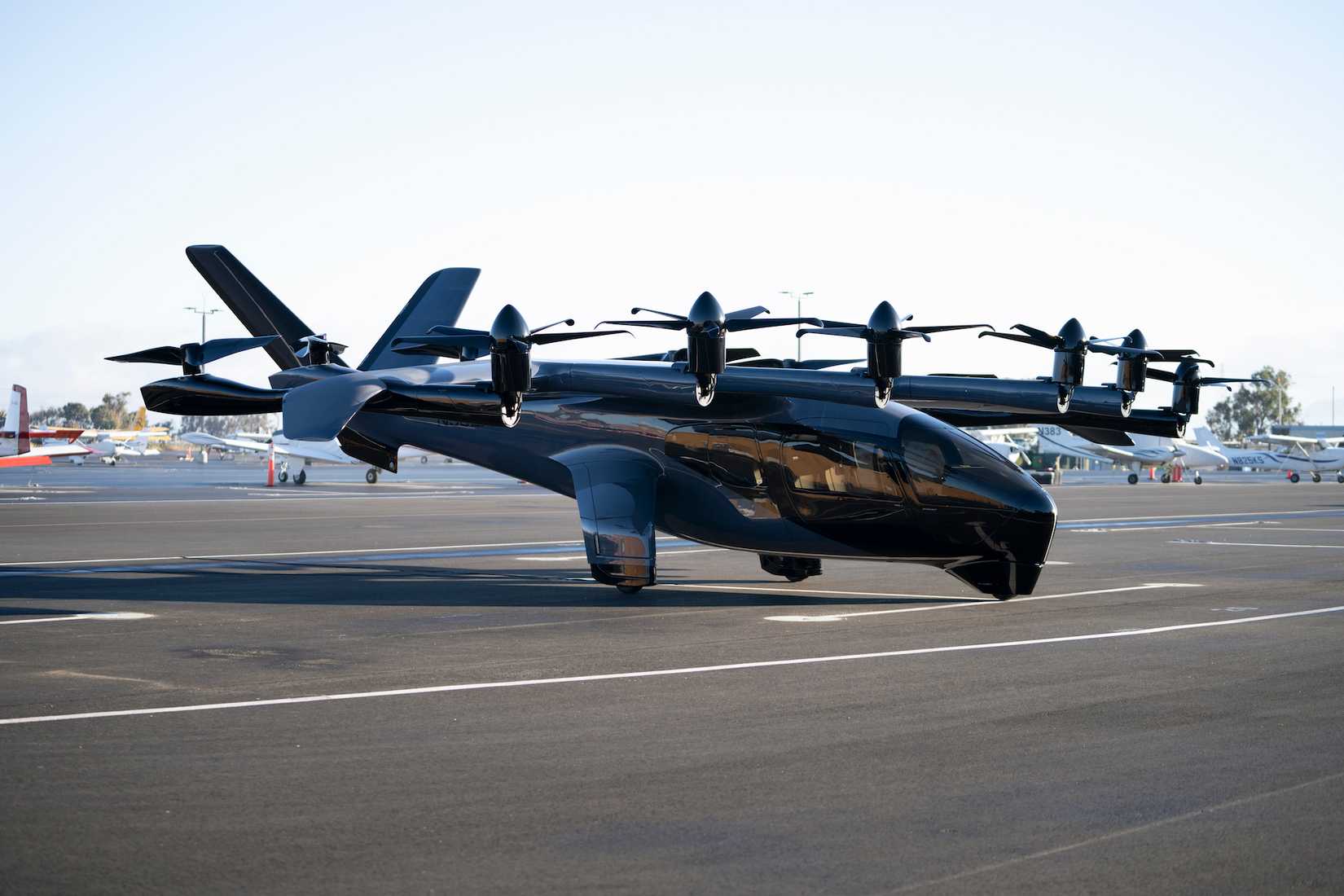
For pilots and operators tracking the eVTOL and AAM space, this deal is consequential because it consolidates fragmented autonomous-flight capability under a single, better-capitalized entity. Archer, previously known almost exclusively for its piloted Midnight air taxi program, instantly gains 16 years of Wisk's autonomous flight development, more than 1,700 test flights across six aircraft generations, SkyGrid's airspace deconfliction and traffic management software, and—critically—Insitu's profitable defense business generating over $200 million annually with more than 3,500 fielded ISR systems across 35 countries. That last piece matters enormously: it gives Archer near-term cash flow and a defense customer base at a time when most eVTOL companies remain pre-revenue and burning cash awaiting FAA certification of passenger-carrying autonomous aircraft. The pivot toward defense, cargo and government contracts as a bridge to eventual civil autonomous passenger operations reflects a broader industry trend, as companies like Joby, Beta Technologies and others have similarly leaned on military and logistics applications to sustain themselves through a slower-than-hoped certification runway.
The Wisk-Archer history adds a notable subplot: the two were locked in a trade-secrets lawsuit in 2021, which Boeing resolved in 2023 by investing in Archer and designating Wisk as the exclusive autonomy provider for future Archer variants. That Archer is now acquiring its former courtroom adversary outright, almost exactly three years later, underscores how quickly competitive positioning can shift in this capital-intensive, technology-dependent sector. It also illustrates that even well-funded incumbents like Boeing have concluded that autonomous urban air mobility requires a level of specialized, sustained investment that a diversified airframer with commercial and defense priorities cannot easily justify carrying alone.
For working pilots—particularly those in Part 91, 91K, and 135 operations who may eventually interface with autonomous or optionally-piloted aircraft in shared airspace—this consolidation is worth watching closely. SkyGrid's airspace management technology and Wisk's autonomy stack, now under one roof with Archer's manned aircraft program, suggest a company positioning itself to eventually operate mixed fleets of piloted and unpiloted aircraft within the same regulatory and airspace framework. That has implications for how ATC procedures, UAM corridors, and detect-and-avoid systems evolve over the next decade. More broadly, the deal reinforces that eVTOL and AAM development is entering a consolidation phase: capital-intensive certification timelines, thin margins on unproven business models, and the need for diversified revenue (defense, cargo, ISR) are pushing standalone eVTOL startups either toward partnerships with legacy aerospace manufacturers or toward absorbing complementary technology and revenue streams, as Archer has just done. Investors reacted accordingly, sending Archer shares up as much as 25% intraday, a signal that markets view scale and revenue diversification as the more credible near-term path to viability in this sector than pure-play passenger eVTOL development alone.






 Read original article