5 Airlines With The World's Best Business Class Seats For Transpacific Flights
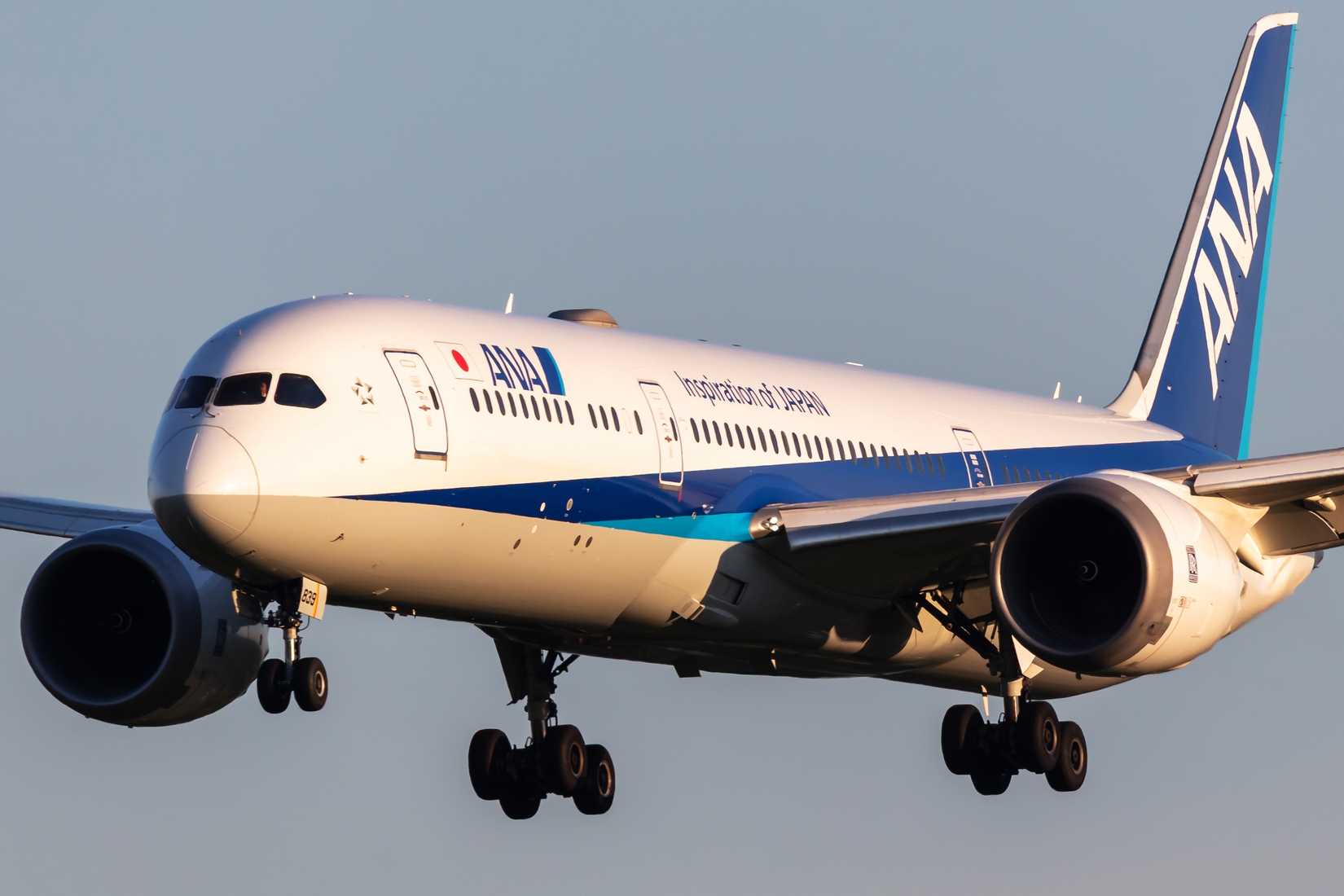
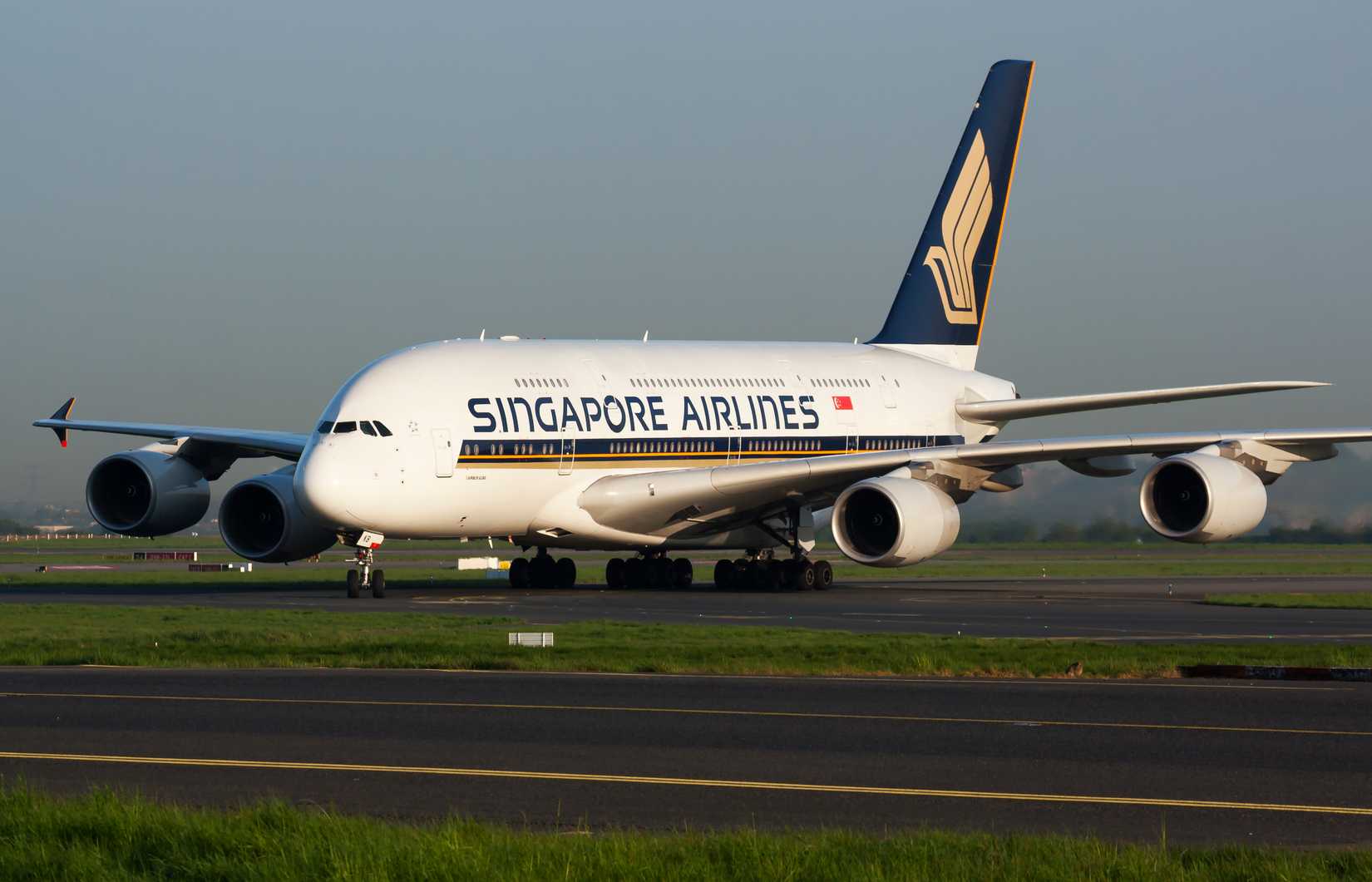
The evolving competition among All Nippon Airways, Singapore Airlines, and Cathay Pacific for transpacific business class supremacy underscores a fundamental shift in how carriers are approaching premium cabin design on ultra-long-haul routes. ANA's "The Room" product on Haneda-JFK service abandons the traditional forward-facing efficiency model in favor of a wider, sofa-like configuration with high walls and sliding privacy doors—prioritizing residential comfort over conventional seat density optimization. Singapore Airlines counters with a 30-inch-wide suite that converts to an 81-inch flat bed with full-height privacy doors, deployed strategically on its longest routes including nonstop SIN-JFK and SIN-EWR service, among the longest scheduled flights in commercial aviation. Cathay Pacific's newly introduced Aria Suite, featuring a fully enclosed sliding-door design and a 24-inch 4K display, represents the airline's reentry into the top tier of premium product competition after years of comparatively conservative cabin investment. These are not incremental refreshes but wholesale reimaginings of what business class means on flights routinely exceeding fourteen hours.
For working pilots—particularly those flying widebody international operations for carriers like United, American, Delta, or their Asian and Middle Eastern counterparts—this product arms race carries operational and career-relevant implications beyond passenger amenities. Ultra-long-haul route economics depend heavily on premium cabin yield, and airlines increasingly justify routes like SIN-JFK (among the longest nonstop sectors in the world) on the strength of business and first-class revenue rather than economy load factors alone. As carriers compete on cabin product to capture premium transpacific traffic, this directly influences fleet planning decisions, aircraft selection (favoring types like the A350-900ULR and 777-8/9 with the range and payload flexibility to support dense premium configurations), and ultimately the route networks pilots bid into. Crew rest and fatigue management on these ultra-long sectors also remain a persistent regulatory and operational focus, and the same passenger-comfort philosophy driving seat design—maximizing usable rest during extended cruise—parallels ongoing industry conversations about augmented crew requirements, rest facility standards, and FAA/EASA flight time limitations for flights approaching or exceeding sixteen hours block time.
This trend also reflects broader dynamics reshaping international commercial aviation post-pandemic recovery: airlines are increasingly bifurcating investment strategy, funneling capital into premium products for high-yield long-haul international markets while economy cabins see comparatively modest upgrades. Cathay Pacific's aggressive reentry into the premium conversation, following ANA's and Singapore Airlines' established leadership, signals renewed competitive intensity in the Asia-Pacific premium travel corridor—a market segment that has recovered faster and more profitably than many other international sectors. For business aviation operators and charter providers, this commercial airline premium cabin escalation indirectly reinforces the value proposition of private and fractional jet travel for ultra-long-haul corporate travelers who might otherwise consider first or business class on these carriers, sharpening the competitive line between the top tier of commercial premium service and dedicated business aviation.
Finally, this cabin product evolution illustrates how ultra-long-haul route viability increasingly depends on an integrated approach combining aircraft range capability, crew scheduling flexibility, and premium cabin differentiation. As more carriers pursue nonstop city pairs exceeding 15-16 hours block time—Singapore-New York being the archetype—the industry will likely see continued convergence between passenger experience investment and the underlying operational infrastructure, including crew augmentation policies, rest facility certification, and dispatch planning for these demanding missions. Pilots flying these routes, along with the operations, scheduling, and training departments supporting them, will continue to see ultra-long-haul flying treated as a distinct and increasingly premium-driven segment of the network rather than simply an extension of standard long-haul operations.











 Read original article