Wheels Up’s Fleet Modernization Pays Off As Signature Membership Grows
Wheels Up's second-quarter 2026 results signal that the company's multi-year effort to rebuild itself around a leaner, more standardized fleet is beginning to translate into measurable operational and commercial gains, even as the balance sheet still bears the cost of getting there. The headline figures show adjusted EBITDAR losses narrowing to $19.9 million, a 27% improvement year-over-year, alongside growth in the carrier's top-tier Signature membership tier and continued gains in on-time performance. These are the two metrics that matter most to charter and jet card customers, and their improvement suggests that the aircraft transition Wheels Up has been executing since its 2023 recapitalization by Delta Air Lines, Certares and Knighthead Capital is starting to pay dividends in customer retention and reliability, even as the company continues to absorb restructuring costs that keep it from full profitability.
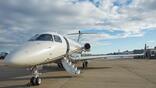
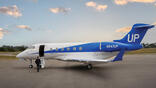
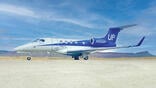
For working pilots and flight departments tracking the on-demand and fractional segment, Wheels Up's fleet modernization is a case study in what post-pandemic charter operators had to do to survive the boom-and-bust cycle that followed 2020-2022's surge in private aviation demand. The company has spent the past several years consolidating a famously fragmented, multi-type legacy fleet (a legacy of its King Air and various light/midsize jet acquisitions) into a more standardized lineup built around Beechcraft King Air 350is and Embraer Phenom 300/300E aircraft, the type referenced in the article's cabin imagery. Standardization reduces maintenance complexity, simplifies crew training and scheduling, and improves aircraft availability — all of which feed directly into the on-time performance gains Wheels Up is now reporting. For pilots flying for fractional and charter operators, or those weighing career moves into that segment, this kind of fleet rationalization also tends to correlate with more predictable schedules, better maintenance support, and clearer type-rating pathways, since operators flying fewer distinct airframes can invest more deeply in training pipelines and parts support for each type.
The Signature membership growth is equally significant as an indicator of demand durability in the premium end of on-demand flying. Membership and jet-card programs like Wheels Up's have become the industry's bellwether for whether high-net-worth and corporate flyers who entered private aviation during the pandemic are sticking around now that airline service has normalized and NBAA-tracked flight activity has cooled from its 2022 peak. Growth in the top membership tier, even amid broader softness in some segments of light/midsize charter demand, suggests Wheels Up is successfully retaining and upselling its most valuable customers — a critical signal for an operator still working to convince investors and Delta (its strategic partner and equity holder) that the business model is viable long-term without continued cash infusions.
Still, the persistence of an EBITDAR loss and ongoing restructuring charges underscores that Wheels Up, like much of the fractional and charter sector, remains in a delicate transition phase. The company's trajectory mirrors broader industry dynamics playing out across NetJets, Flexjet, and other fractional providers, all of which are simultaneously modernizing fleets (with Praetor, Phenom, Challenger and Gulfstream deliveries), tightening operational discipline, and recalibrating pricing after the demand spike of the early 2020s gave way to a more normalized, price-sensitive charter market. For flight departments, brokers, and pilots alike, Wheels Up's improving-but-not-yet-profitable results are a reminder that operational excellence — on-time performance, fleet reliability, and safety culture — has become the primary competitive currency in business aviation, even more than raw fleet size or geographic footprint. How quickly Wheels Up can convert these operational improvements into sustained profitability will be a key indicator of the segment's overall health heading into 2027.







 Read original article