Why The Boeing 747's Upper Deck Hump Will Be Nearly Impossible To Replicate In A Modern Jet
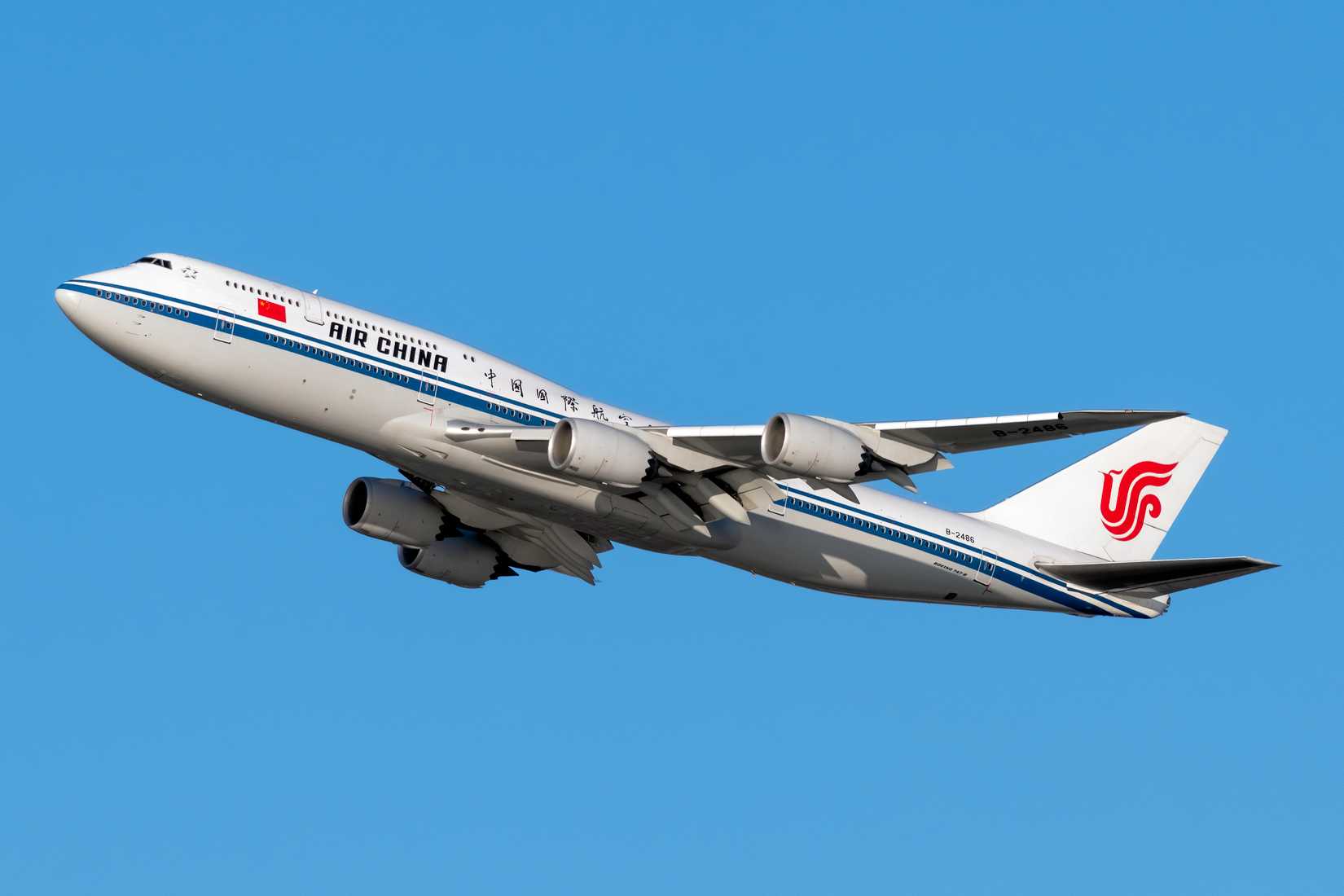
The Boeing 747's distinctive upper deck hump, born out of a 1960s military transport competition Boeing lost, remains one of the most identifiable design features in aviation history—and one that modern manufacturers have deliberately avoided replicating. As detailed in the retrospective, the hump traces its origins to Boeing's failed CX-HLS bid for what became the Lockheed C-5 Galaxy. Rather than scrap that engineering work, Boeing repurposed the raised-cockpit, nose-loading-door concept for the 747, betting that the aircraft would serve dual passenger and freighter roles in an era when many industry observers expected supersonic transports to dominate premium long-haul passenger travel. That bet on cargo flexibility, not passenger cabin aesthetics, is what created the hump. Boeing then spent five decades monetizing what began as an engineering compromise, stretching the upper deck through the 747SP, -300, -400, and finally the 747-8I, turning a structural workaround into a premium-cabin selling point and one of the most recognizable silhouettes in commercial aviation.
For working pilots, particularly those who cut their teeth on the 747 or flew it during its heyday as the backbone of long-haul international networks, this piece is a reminder of how deeply aircraft design is driven by the operational and economic assumptions of a specific era rather than by styling choices. The 747's raised flight deck was never intended as a passenger amenity—it was a byproduct of the nose-loading cargo door requirement that made a split-level cockpit necessary. Pilots who transitioned from the 747 to twin-engine widebodies like the 777, 787, or A350 have experienced firsthand the shift in cockpit philosophy: single-level flight decks, more compact footprints, and airplanes engineered from the outset around fuel efficiency and ETOPS-driven twin-engine economics rather than nose-cargo flexibility or four-engine redundancy assumptions that shaped the jumbo jet era.
The broader significance here lies in what the article reveals about the trajectory of widebody design since the 747-400 era. Airlines and manufacturers no longer prioritize aircraft that can flex between passenger and freighter roles with nose-loading capability, nor do they value the extra wetted area, structural complexity, and contour changes that a hump design demands. Modern aircraft programs are sold almost entirely on trip cost, fuel burn per seat, and route flexibility—metrics that favor clean, optimized fuselage shapes over dramatic silhouettes. This explains why no clean-sheet widebody since the 747 has attempted a comparable upper-deck configuration, including Boeing's own 777X and Airbus's A350, both of which pursue efficiency through aerodynamics, composite structures, and engine technology rather than through cabin architecture novelty.
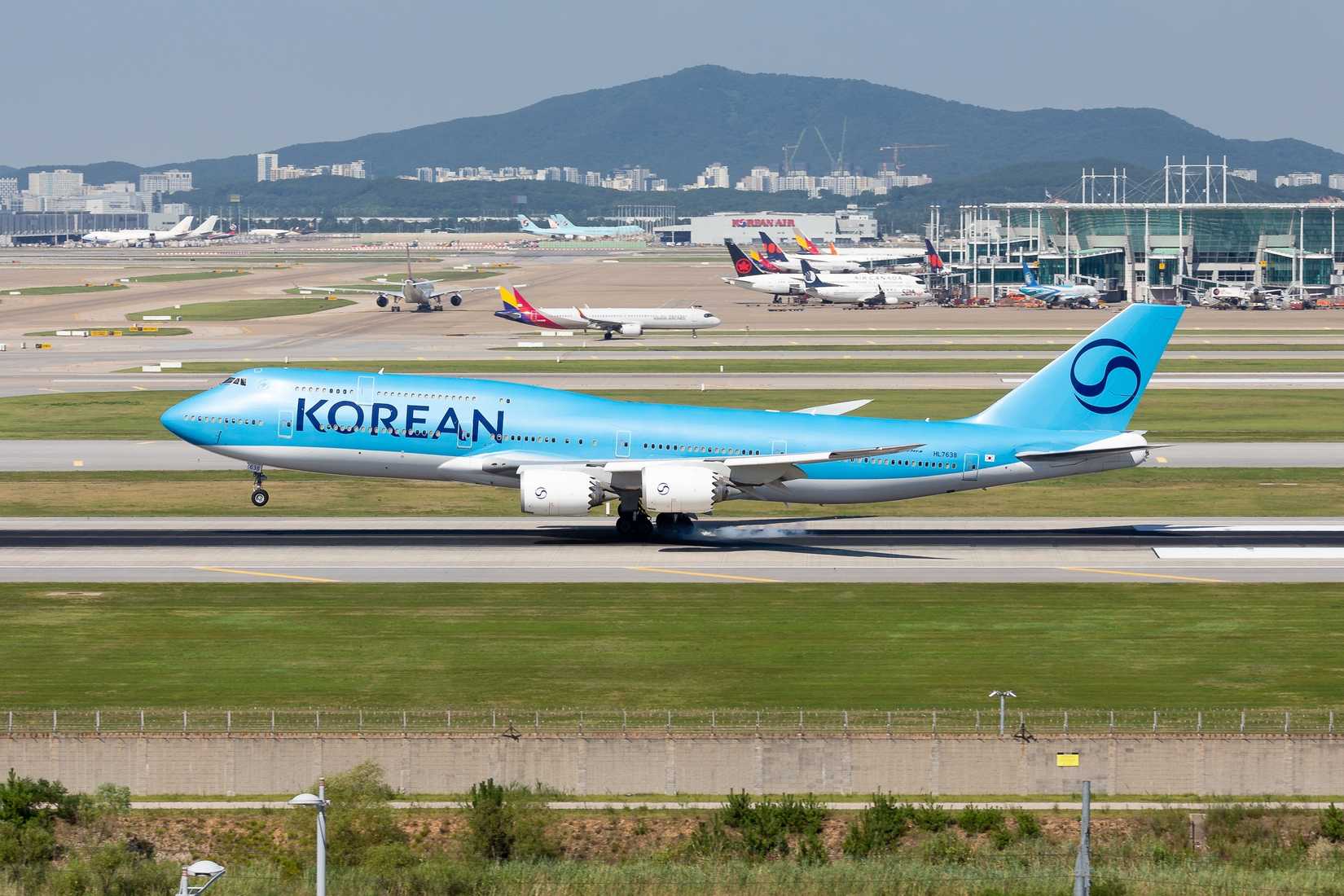
For operators and fleet planners, the piece underscores why 747 retirements—accelerating across cargo and passenger fleets alike, with Lufthansa, Korean Air, and a shrinking pool of others among the last passenger operators—represent more than just an equipment change. They mark the end of an aircraft philosophy built around dual-role flexibility, four-engine redundancy over long overwater routes, and a hub-and-spoke model that has since given way to point-to-point twin-engine economics enabled by ETOPS extensions. Pilots training on or transitioning away from 747 type ratings are, in effect, retiring not just an airframe but an entire design era. The hump's cultural and emotional resonance within the pilot community—as a symbol of an aircraft that offered a physically elevated, separated flight deck experience unlike anything flying today—will likely persist as a nostalgic touchstone even as the economic logic that created it becomes permanently obsolete in future aircraft programs.


-Boeing-747-436-G-CIVI.JPG?q=49&fit=crop&w=825&dpr=2)




 Read original article