5 Reasons Why Pilots Prefer The Boeing 787 Dreamliner
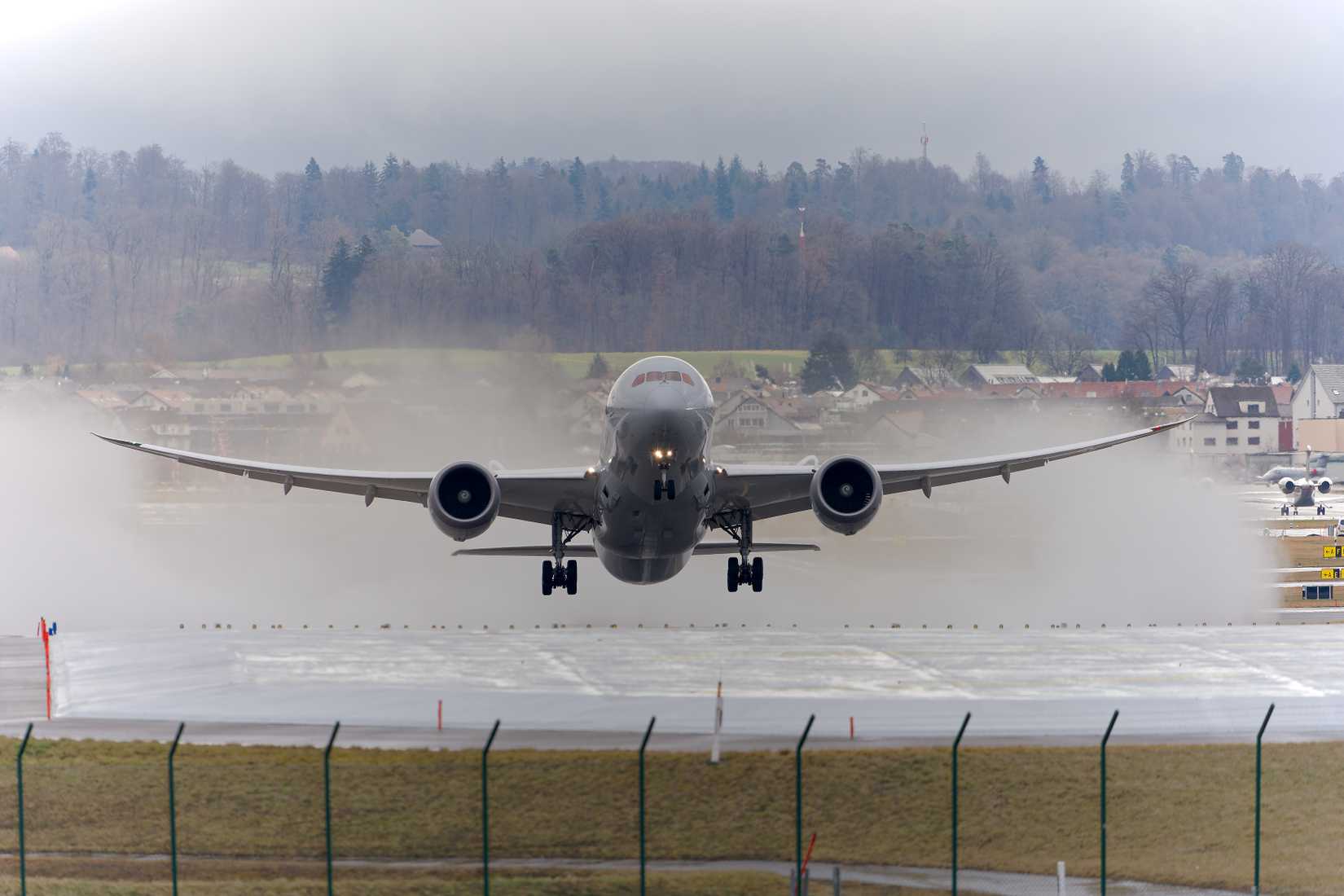
The Boeing 787 Dreamliner's reputation among pilots rests on a set of operational and human-factors advantages that go well beyond the passenger-facing selling points typically emphasized by airline marketing departments. While travelers notice larger windows and a quieter cabin, flight crews are drawn to the aircraft's genuine performance edge: a 43,000-foot service ceiling that lets crews climb above much of the turbulence that lower-flying aircraft must simply endure, combined with gust-suppression technology and a flexible composite wing that smooths the ride even when weather cannot be avoided entirely. On oceanic and polar routings where diversion options are limited and reroutes around weather are operationally expensive, the ability to climb into cleaner air without a significant fuel penalty is a meaningful tactical advantage, not just a comfort feature.
The fatigue-reduction case is arguably the most consequential factor for working pilots, particularly those flying ultra-long-haul sectors of 14 to 17 hours. A 6,000-foot cabin altitude, roughly 2,000 feet lower than legacy aluminum-fuselage jets, combined with higher cabin humidity made possible by the composite airframe's tolerance for greater pressurization differential, directly addresses two of the most persistent physiological stressors in long-haul flying: dehydration and hypoxic-related fatigue. This matters operationally because crew alertness during the circadian low points of an ultra-long-haul flight is a genuine safety variable, not merely a quality-of-life issue. As airlines continue pushing city-pair range records with the 787 and its widebody peers, the aircraft's environmental systems become part of the fatigue risk management conversation that FAA and ICAO regulators increasingly scrutinize alongside crew scheduling and augmented-crew rest facility standards.
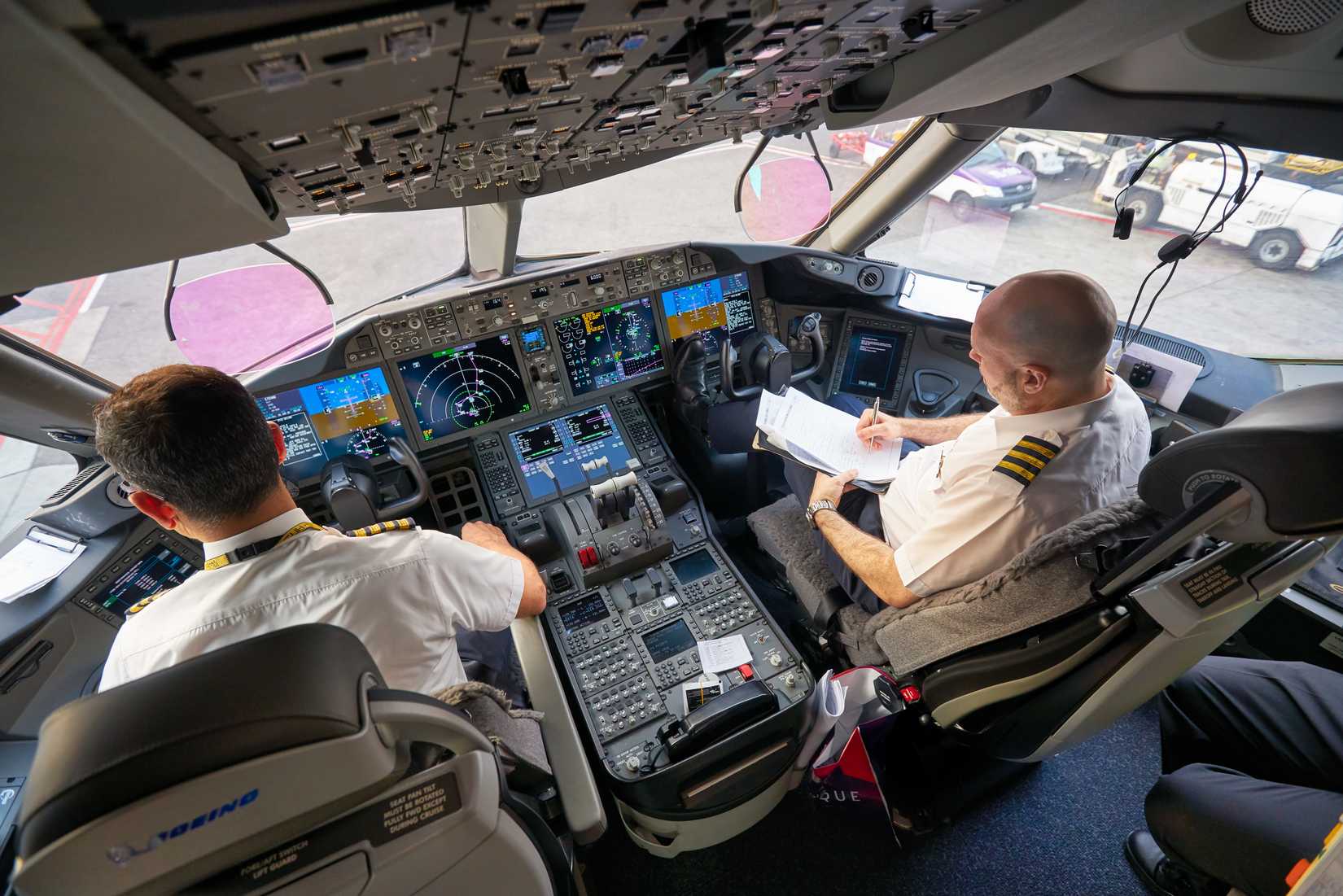
The flight deck itself reflects a design philosophy that treats the cockpit as a long-duration workspace rather than a short-term control interface. Five 15-inch displays, dual HUDs, electronic flight bags, and adjustable seating with real ergonomic range give pilots better situational awareness with less visual clutter and less physical strain across a duty day that can stretch far beyond a typical short-haul rotation. For crews transitioning from older widebodies like the 767, MD-11, or classic 777, the jump in display real estate and system integration reduces workload during high-task phases and supports better crew resource management during the low-workload cruise segments where vigilance can otherwise erode.
For operators and pilots alike, the 787's popularity reinforces a broader industry trend: aircraft manufacturers are now competing as much on human-factors engineering and fatigue mitigation as on raw range or fuel burn. Airbus has pursued similar composite-fuselage, lower-cabin-altitude strategies with the A350, and both manufacturers now market crew comfort and reduced fatigue as measurable operational assets tied to safety outcomes, not just marketing copy. As airlines expand thin, long, nonstop route networks that the 787 uniquely enables, pilot preference for the type is likely to remain a factor in bidding, retention, and even recruitment at carriers building out long-haul fleets, making the aircraft's crew-centric design as commercially relevant as its passenger appeal.











 Read original article