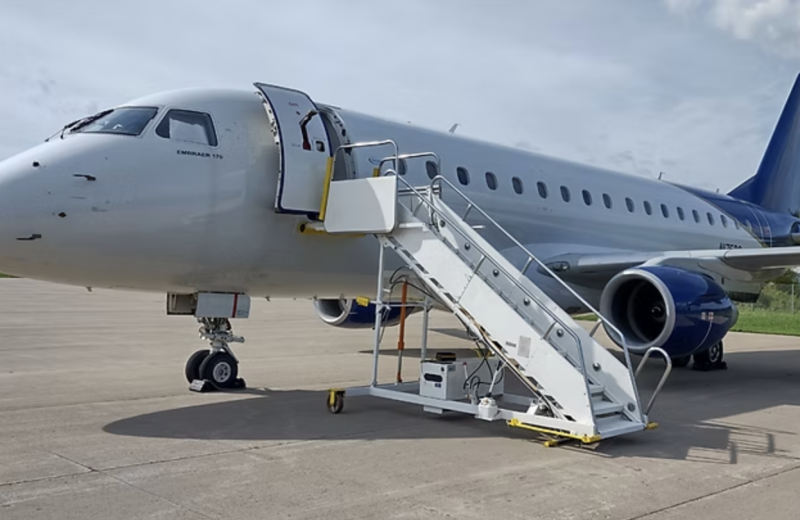
Best Jets completes FAA proving runs for Part 121 operations
Best Jets International's completion of FAA proving runs on August 6th marks a significant regulatory milestone in its pursuit of Part 121 supplemental operations authority, a certification pathway that will fundamentally expand the operator's business model beyond traditional Part 135 charter. Proving runs are among the final and most rigorous steps in the FAA's certification process, requiring operators to demonstrate their aircraft, crews, maintenance programs, and operational control systems under real-world flight conditions with FAA inspectors aboard. With this hurdle cleared, Best Jets anticipates final approval within roughly three weeks, positioning the company to operate a dual-certificate structure under both Part 121 and Part 135 — a configuration that gives it unusual flexibility to serve markets ranging from single-passenger VIP charter to 60-seat group movements.
The operational centerpiece of this expansion is a fleet of four Embraer E170 regional jets, split between 30-passenger and 60-passenger configurations, with conformity inspections on all four aircraft expected to wrap up by November. This fleet choice signals a deliberate strategic pivot toward the "public charter" and group-movement segment that has grown substantially in recent years, particularly for sports teams, college athletics, entertainment touring groups, and corporate shuttle programs. Part 121 supplemental certification is the same regulatory tier used by scheduled airlines, and it imposes materially higher standards for crew training, duty-time management, maintenance oversight, and operational control than Part 135. For pilots, this means E170 crews at Best Jets will operate under airline-grade regulatory scrutiny, including more structured training curricula, stricter dispatch and flight-following requirements, and enhanced recordkeeping — a meaningful shift from typical Part 135 charter culture.
For working pilots and aviation professionals, this development is emblematic of a broader consolidation trend in the charter and "scheduled charter"/public charter space, where operators increasingly seek Part 121 authority to legally sell seats on a per-passenger basis for larger aircraft, something Part 135 certificates generally cannot support at this capacity. Companies like JSX have popularized the public charter model using regional jets, and Best Jets' move suggests growing competition in this niche as demand rises for premium, non-hub point-to-point travel among sports franchises, corporate clients, and entertainment industry customers who want to avoid commercial airline hub congestion. This trend has direct implications for pilot hiring and career pathways: Part 121 supplemental certificates typically require pilots to meet ATP-level qualifications and undergo more rigorous, airline-style training programs, potentially offering a new tier of employment opportunities that blend business aviation flexibility with airline-style structure and pay scales.
More broadly, Best Jets' certification effort reflects the ongoing blurring of lines between business aviation, charter, and scheduled commercial operations. As demand for flexible, high-touch group travel continues to outpace what legacy carriers can efficiently provide — particularly for corporate shuttle programs serving sectors like oil and gas, banking, and manufacturing — operators are increasingly willing to absorb the substantial regulatory burden of Part 121 certification to access larger aircraft and higher-volume revenue streams. For flight departments, charter brokers, and corporate travel managers, Best Jets' expansion adds another capacity option in a charter market that has seen persistent aircraft and crew shortages since the pandemic-era demand surge, while for pilots it underscores the continuing convergence of regional airline-style operations with the charter sector's traditionally more entrepreneurial and client-driven service model.