Beta Clears Certification Hurdle With Electric Engine And Aircraft
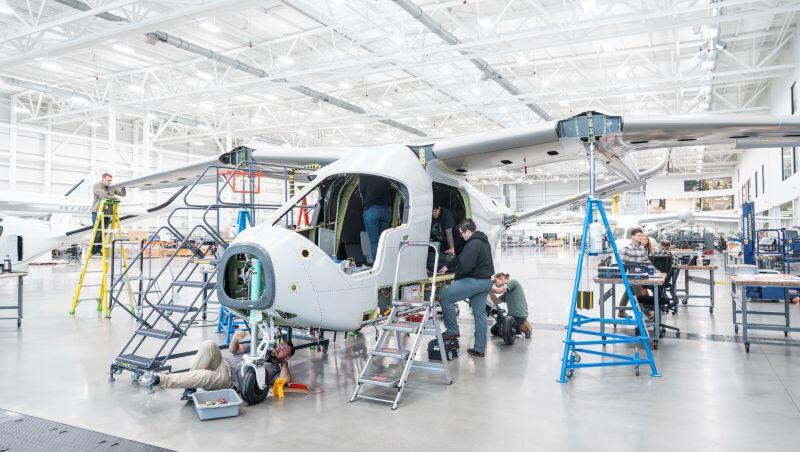
Beta Technologies has reported progress on two parallel certification fronts critical to its path toward commercial operations: the H500A electric cruise engine and the Alia CX300 aircraft it powers. According to the company, an interpretive disagreement with the FAA over applicable regulations for the H500A had stalled progress, but that issue has now been resolved, putting the engine program back on a defined certification track. Simultaneously, Beta says it has completed requirements definition for the CX300 airframe itself, a milestone that establishes the certification basis and sets the stage for the more intensive compliance testing and demonstration phases ahead. While the article is light on technical specifics, the framing signals that Beta is treating this as a foundational step to prepare for production ramp-up once type certification is secured.
For working pilots and operators, this development is a useful bellwether for how electric aircraft certification is actually unfolding versus how it has often been marketed. Novel propulsion architectures like the H500A don't fit cleanly into existing FAA regulatory categories written for traditional reciprocating or turbine engines, and interpretation disputes of this kind are common friction points in advanced air mobility (AAM) programs. The fact that Beta needed to specifically resolve a "regulation interpretation issue" underscores that much of the delay in eVTOL and hybrid-electric certification isn't about the hardware failing tests, but about regulators and manufacturers agreeing on which existing rules apply, or where new special conditions are needed. Pilots who fly conventional aircraft today should expect that when electric and hybrid-electric aircraft do enter service, they will arrive under certification bases that look meaningfully different from Part 23 or Part 25 norms, with implications for maintenance, dispatch reliability standards, and even how type ratings and operating limitations get structured.
The CX300 specifically matters because it's Beta's conventional takeoff and landing (CTOL) variant, distinct from the vectored-thrust Alia eVTOL that has drawn more headlines. Beta has positioned the CX300 as a nearer-term commercial product, useful for cargo, regional connectivity, and potentially some Part 135-style operations, without needing the full eVTOL certification complexity around vertical lift transition. That makes this milestone relevant to regional and charter operators watching the electric aircraft space for near-term fleet diversification options, as well as to cargo integrators (Beta has existing relationships with companies like UPS) who are evaluating electric aircraft for short-haul feeder routes where charging infrastructure and range limitations are less punishing.
Broadly, this fits into a pattern across the AAM sector in 2026: certification timelines for electric aircraft continue to slip and get renegotiated, but companies with strong capitalization and established regulatory relationships—Beta among them—are grinding through the process methodically rather than abandoning it. For corporate and business aviation operators evaluating future fleet additions, the signal is that electric aircraft entry into service remains a multi-year proposition gated by regulatory novelty as much as engineering readiness. Flight departments and operators tracking sustainable aviation options should treat milestones like this as incremental de-risking rather than proof of imminent commercial availability, while continuing to monitor how the FAA's evolving interpretive framework for electric propulsion will eventually shape training, maintenance, and operational requirements once these aircraft reach the line.






 Read original article