Vertical Advances Toward CDR Despite Funding Concerns
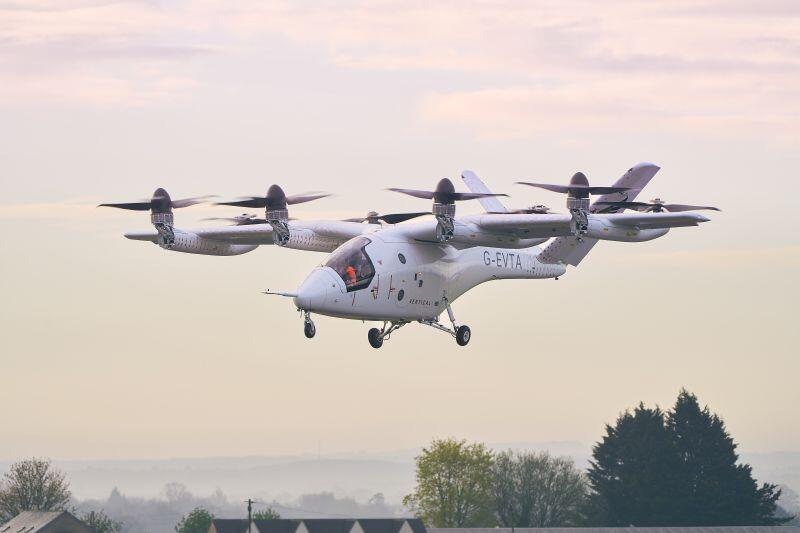
Vertical Aerospace is pressing forward with development of its VX4 (referenced in the article by its commercial branding "Valo") eVTOL aircraft, targeting a design freeze by year-end 2026 as it works toward a critical design review (CDR) milestone. This represents a significant inflection point in the company's certification timeline, as CDR typically signals that an aircraft's engineering configuration is mature enough to move into production of conforming test articles—the airframes that will ultimately be used for certification flight testing with the UK Civil Aviation Authority and, through validation agreements, the FAA. The design freeze milestone matters because eVTOL programs have historically struggled to hold configuration stability, with design churn being a leading cause of schedule slips across the sector. Vertical's ability to lock down its design and begin building conforming aircraft would place it among the more advanced players in the crowded eVTOL race, alongside Joby Aviation and Archer Aviation, both of which have already produced conforming prototypes.
However, the article's framing—progress on the technical front "despite funding concerns"—underscores the persistent tension that defines nearly every eVTOL developer's story at this stage of the industry. Vertical has faced well-documented liquidity challenges over the past two years, including a debt restructuring, leadership changes, and dependence on its largest shareholder, Stephen Fitzpatrick, for bridge financing. Certification programs for clean-sheet aircraft are extraordinarily capital-intensive, often requiring $1 billion or more to reach type certification, and the gap between engineering milestones and the cash needed to execute test campaigns has proven fatal for several would-be competitors, including Lilium, which entered insolvency in 2024. For Vertical, hitting CDR is a necessary but insufficient condition for success; without a durable funding runway extending through certification and initial production ramp-up, technical progress alone will not get aircraft into commercial service.
For working pilots and operators—particularly those in business aviation, helicopter EMS, charter, and urban air mobility-adjacent segments—this milestone is worth tracking closely because it signals how close the eVTOL category is to producing a certified, revenue-generating aircraft type that could reshape short-haul, low-altitude transportation. Business aviation operators and fractional providers have been positioning for eVTOL integration for years, with several major players (including groups tied to NetJets and other charter networks) signing conditional purchase agreements contingent on certification actually happening. Rotorcraft operators, in particular, should watch how eVTOL certification standards evolve, since these aircraft will likely compete directly for shorter-range missions currently flown by helicopters, especially in congested urban corridors and airport shuttle applications. Pilots transitioning into or considering AAM careers should also note that type-specific training and dual-certification pathways remain unsettled, and program funding stability directly affects hiring timelines.
More broadly, Vertical's situation reflects the maturation phase the entire AAM industry is now navigating: the initial wave of investor enthusiasm and SPAC-driven funding has given way to a harder reckoning over which companies can actually finance the multi-year slog from prototype to certified production aircraft. Design freezes and CDR milestones are becoming key data points investors, airlines, and potential launch customers use to differentiate credible programs from those at risk of running out of runway. As Joby and Archer continue advancing toward FAA type certification in the U.S. and Vertical pursues a parallel path under UK/EASA frameworks, the competitive and financial dynamics among these companies will likely determine which markets see commercial eVTOL operations first—and which operators get first access to next-generation aircraft that promise to open new categories of point-to-point air mobility.







 Read original article