U.S. Navy quietly arming its uncrewed aerial tanker
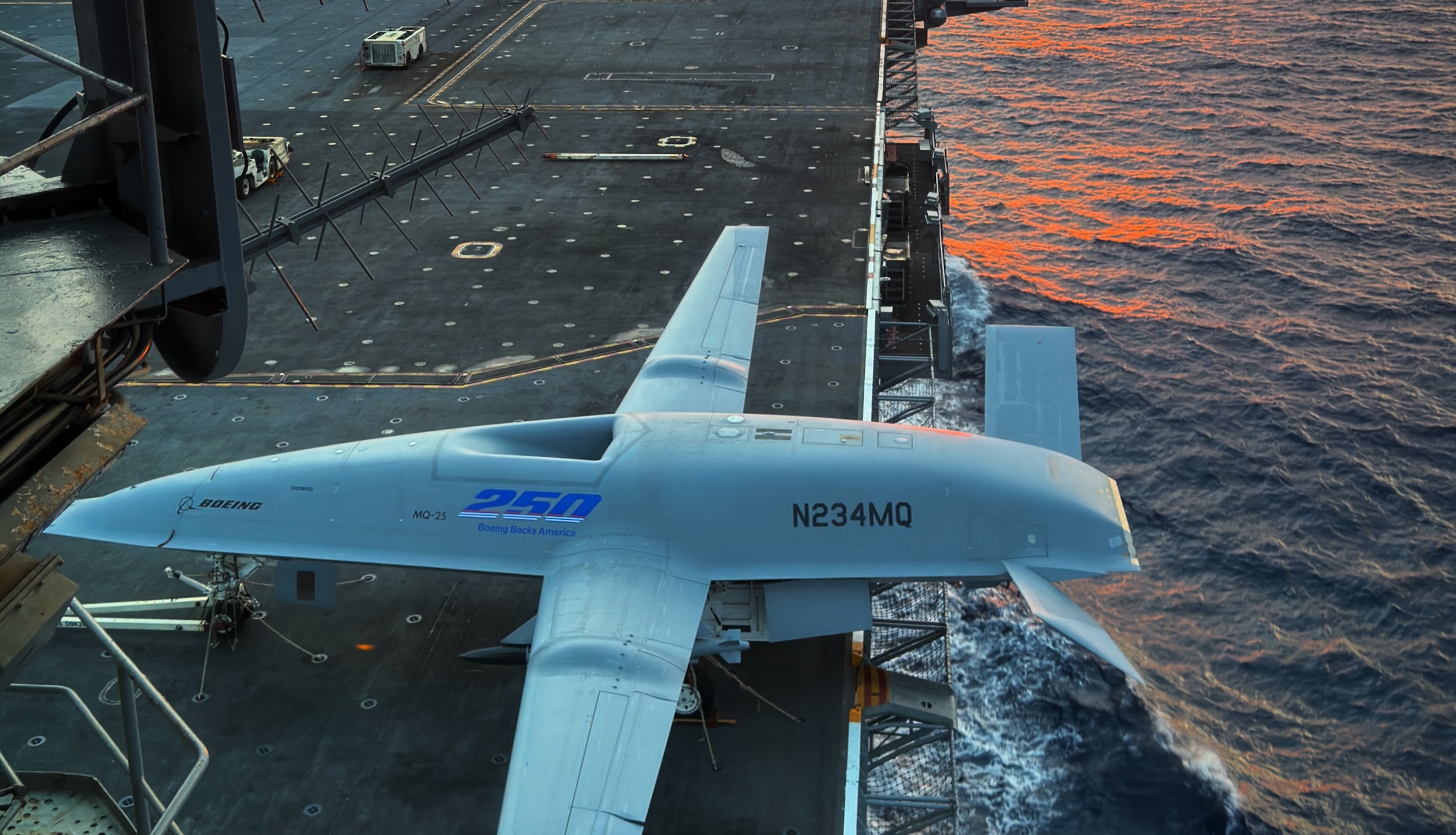
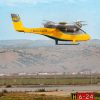
The Navy's MQ-25 Stingray program has taken a significant and previously unacknowledged step toward becoming a strike-capable platform, according to reporting on testing conducted aboard the USS Nimitz in June. During the demonstrator's deck visit, Boeing personnel reportedly armed the aircraft with a GBU-75 Joint Direct Attack Munition Long Range (JDAM-LR), marking the first publicly observed instance of a weapon being integrated onto an MQ-25 airframe. This development arrives five years after the Stingray's first deck-based carrier trials in 2021, and it directly contradicts years of Pentagon messaging that characterized the program strictly as an aerial refueling asset with a secondary intelligence, surveillance, and reconnaissance role. The timing and quiet nature of the test—conducted without fanfare during what was ostensibly a routine carrier integration visit—suggests the Navy may be laying operational groundwork before formally revising the program's public mission statement.
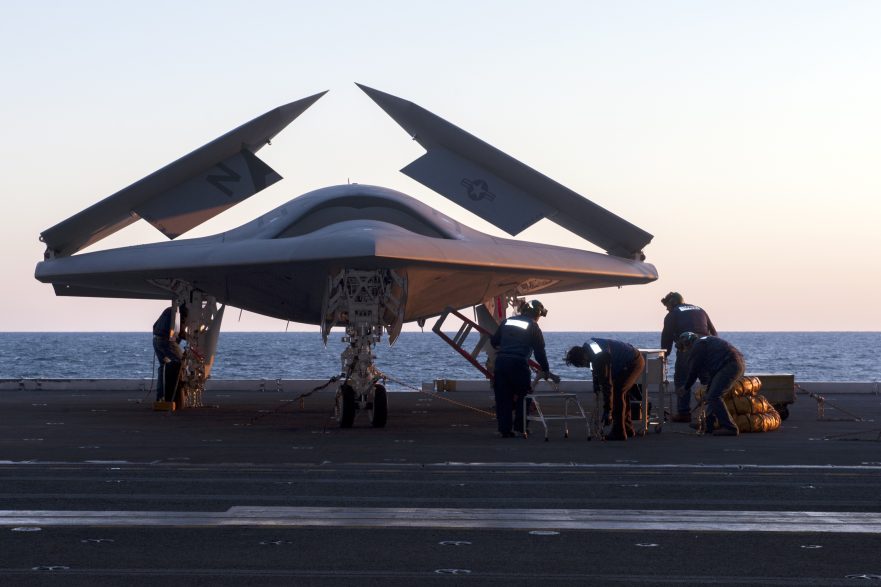
For carrier aviators and Navy planners, this matters considerably. The MQ-25 was born out of the Navy's earlier UCLASS (Unmanned Carrier-Launched Airborne Surveillance and Strike) program, which originally envisioned a long-range, stealthy, weapons-capable drone before budget and doctrinal disputes forced a pivot toward a lower-risk tanker mission. That the Stingray's design lineage always contained latent strike potential was widely suspected within the naval aviation community; what's notable now is that actual weapons integration testing is underway years after the program's rebranding as a refueler. For strike fighter squadrons flying F/A-18E/F Super Hornets and F-35C Lightning IIs, an armed MQ-25 could eventually extend the carrier air wing's reach, add magazine depth, and reduce the exposure of crewed aircraft to contested airspace—all without requiring a new airframe or a new acquisition line. It also reinforces a broader shift in how carrier air wings are being architected: fewer crewed strike fighters, more uncrewed force multipliers performing refueling, ISR, and potentially kinetic missions.
The broader trend here mirrors developments across military and, increasingly, civil aviation: platforms initially justified on narrow, palatable mission sets are quietly expanded once political and budgetary conditions allow. The MQ-25's evolution echoes the trajectory of earlier uncrewed systems like the MQ-9 Reaper, which began as an ISR platform before weaponization became standard. For defense contractors and Navy program offices, demonstrating multi-role capability on an already-funded, already-flying airframe is far more efficient than starting a new program of record—especially in a fiscal environment where the Pentagon is scrutinizing large acquisition efforts and Congress remains wary of cost overruns tied to next-generation systems like the Navy's carrier air wing of the future and the Air Force's Collaborative Combat Aircraft initiative.
For working military aviators, this signals that autonomous wingmen and tanker platforms sharing flight decks and airspace may soon carry ordnance, raising fresh questions about airspace deconfliction, weapons release authority, and integration procedures in the carrier environment. Civilian and business aviation operators should also take note of the pace at which uncrewed systems are gaining expanded roles and regulatory latitude, as lessons learned from military UAS integration—particularly around beyond-visual-line-of-sight operations, autonomy certification, and manned-unmanned teaming—often migrate into FAA rulemaking and eventual civil airspace policy. As the Navy continues quietly expanding what the MQ-25 can do, the program stands as a case study in how uncrewed platforms are reshaping force structure decisions well beyond their original stated mission, a pattern likely to accelerate as autonomy matures across both defense and commercial aviation sectors.