de Havilland Canada Archives - Leeham News and Analysis
Leeham News and Analysis has opened a four-part series examining Embraer's remarkable recovery from what once looked like an existential threat to its commercial aviation business. The narrative traces back to 2017, when Airbus's acquisition of 50.1% of the Bombardier C Series (now the A220) triggered panic inside Embraer's leadership. Convinced that a resurgent, Airbus-backed C Series would outcompete the E-Jet family on price, supplier leverage, and bundled deal-making, Embraer opted to sell 80% of its Commercial Aviation division to Boeing in a joint venture that would have created "Boeing Brasil." That deal collapsed in 2020 amid regulatory delays and the COVID-19 pandemic, leaving Embraer worse off than before—saddled with carve-out costs and no partner. The series promises to detail how Embraer not only survived but is now thriving, with the E195-E2 gaining strong traction, particularly among Latin American carriers. For pilots and operators tracking the regional and small-narrowbody segment, this history is a useful reminder of how fragile OEM strategy can be when major-manufacturer consolidation looms, and how quickly fortunes can reverse. Embraer's resilience carries direct relevance for regional airline flight departments and fractional/charter operators evaluating E2-family aircraft, since a financially stable, independent OEM affects long-term parts support, product development cadence, and resale values.
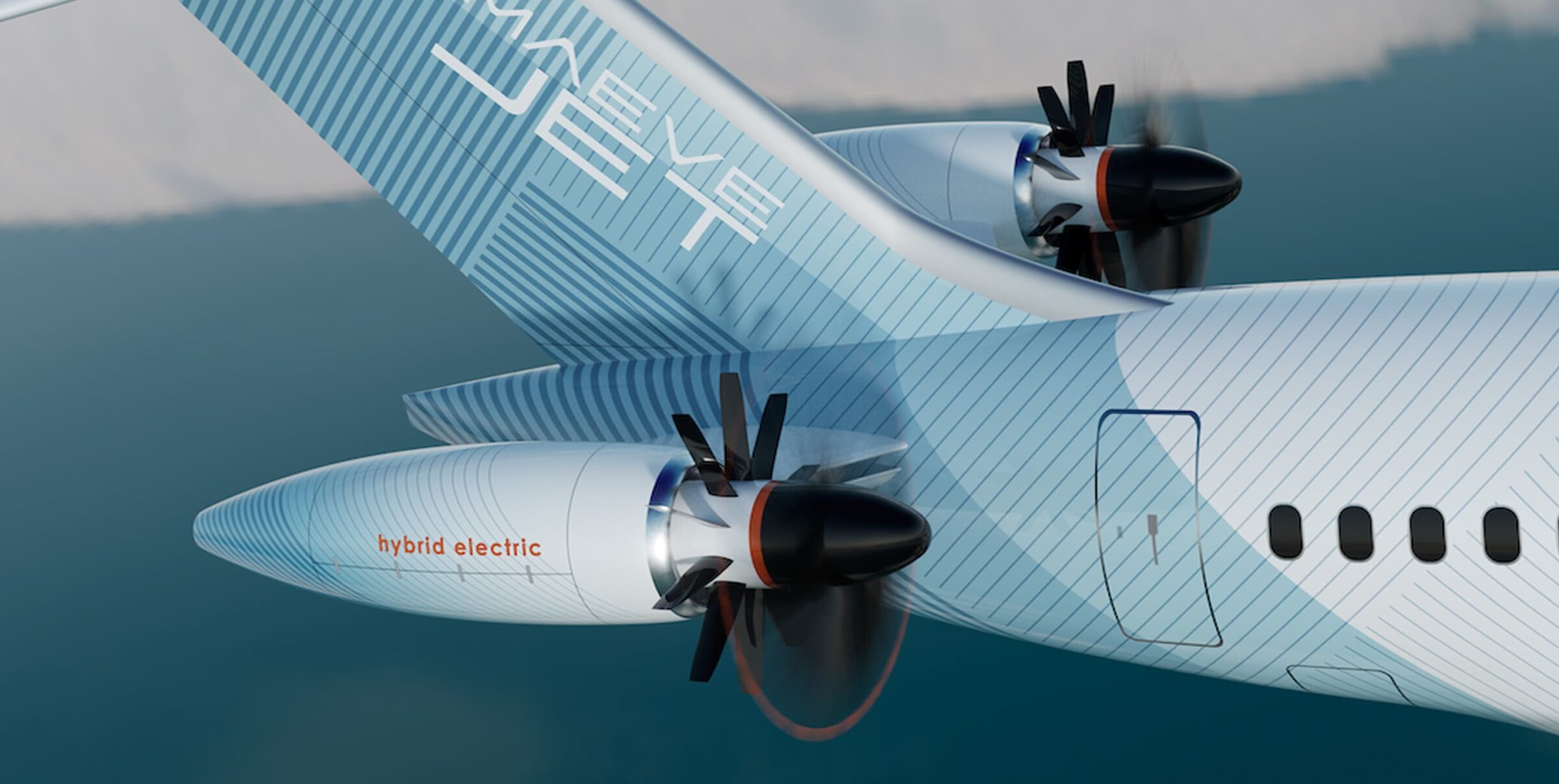
The second piece in this roundup, on Pratt & Whitney, speaks to an issue that has been dominating flight operations planning for the better part of three years: the Geared Turbofan's technical troubles. While the GTF's core innovation—the fan gearbox—has performed as advertised, delivering the promised fuel-burn advantage, "business as usual" engineering failures (bent shafts, combustor burn-through, bearing failures, and the contaminated powder-metal disc issue) have forced groundings of more than 600 A320neo-family aircraft awaiting replacement parts. For airline schedulers, maintenance planners, and crews flying GTF-powered A320/A321neos, this has translated into real-world disruption: aircraft-on-ground events, capacity shortfalls, and lease extensions on older-generation jets to backfill fleets. The financial toll on RTX has run into billions of dollars in write-offs and ceded market share to the competing CFM LEAP. Yet the article notes Pratt's ability to keep investing in next-generation propulsion—illustrated by its Constant Volume Open Fan engine under development with Maeve for the MJ500—underscores how deep-pocketed parent companies like RTX can absorb near-term pain while continuing long-cycle R&D. This is a pattern operators should watch closely: engine reliability issues in one generation can coexist with aggressive investment in the next, meaning today's GTF headaches don't necessarily signal Pratt's exit from future single-aisle competition.
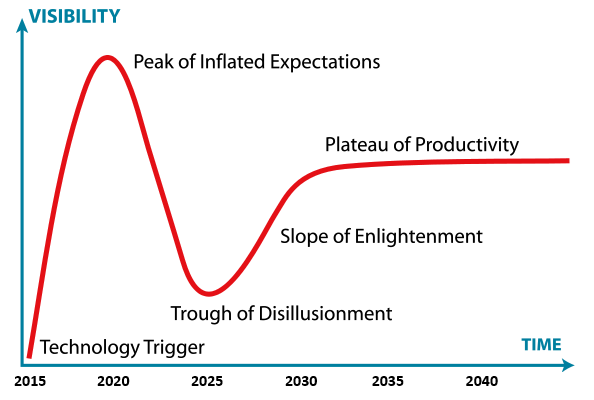
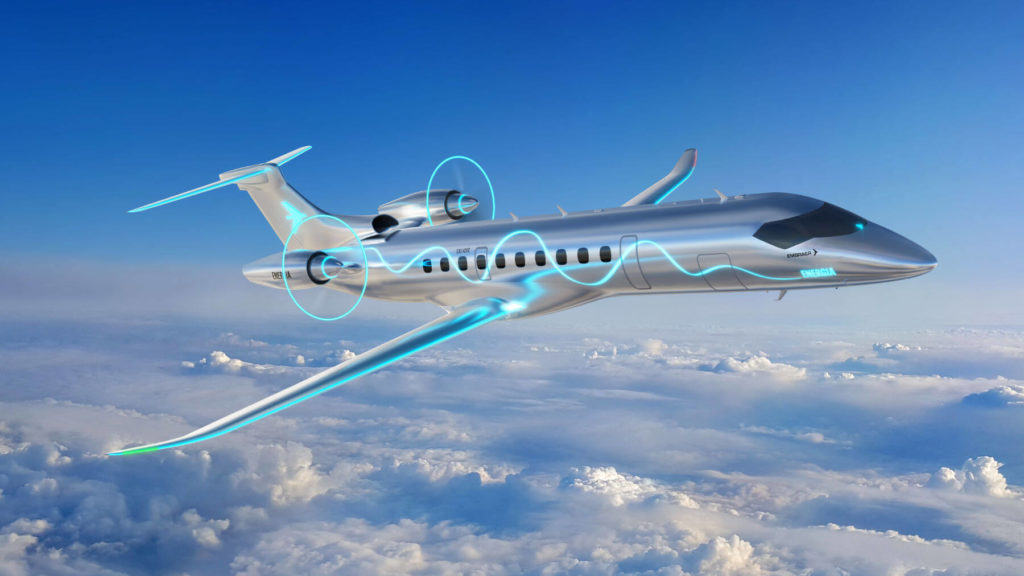
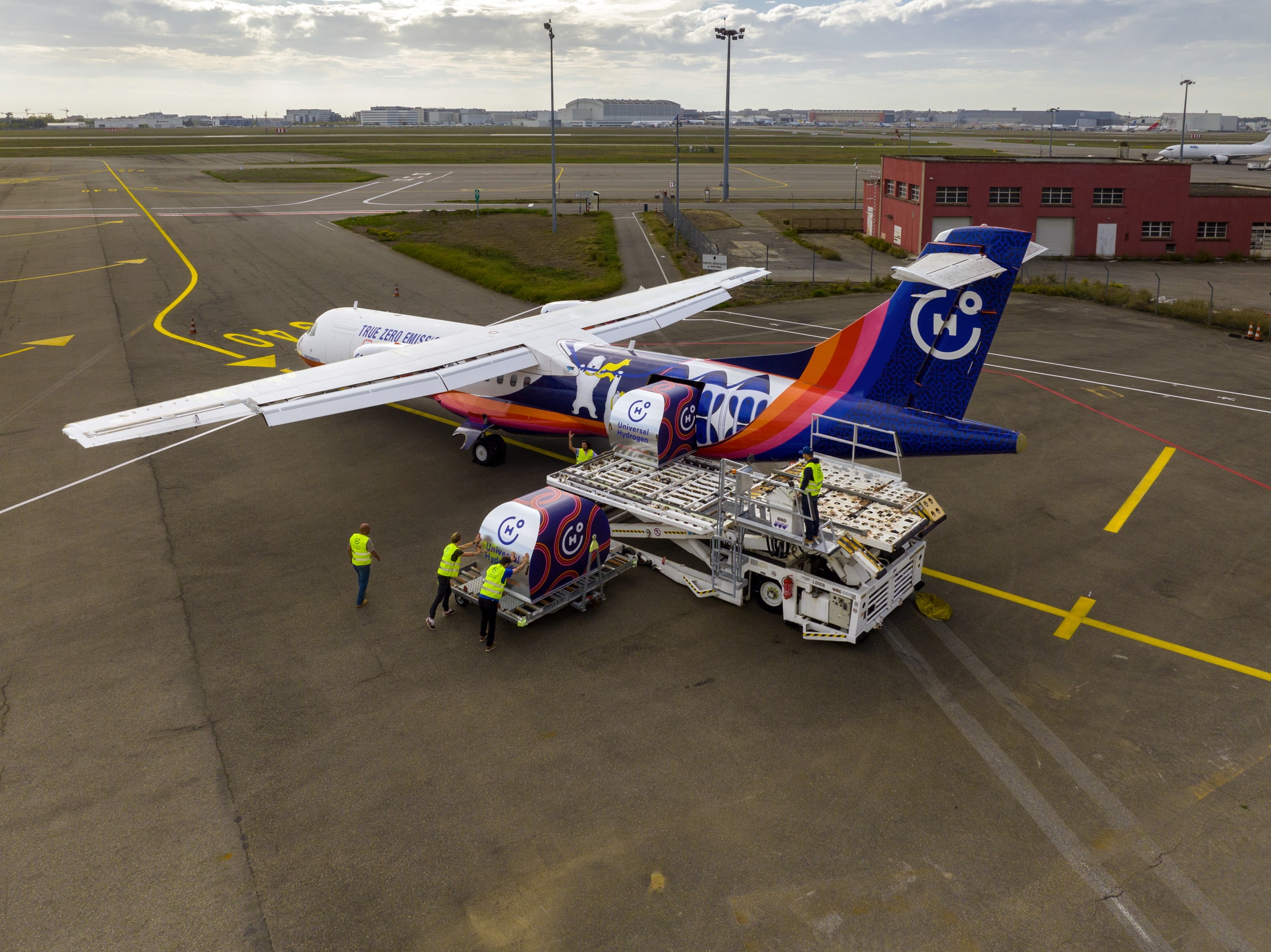
The third piece, on alternative propulsion aircraft, offers a sobering but realistic assessment for anyone tracking electric and hydrogen aviation as a near-term operational consideration. Bjorn Fehrm situates the industry on the Gartner Hype Cycle, arguing that the sector—jolted into existence by the 2014 Airbus E-Fan flight and Tesla's automotive breakthroughs—has passed through inflated expectations and is now mired in the "Trough of Disillusionment," with investor capital diverting toward AI and many announced projects stalling or folding outright. The analysis zeroes in on the two make-or-break components in any electric propulsion architecture: motors, which are relatively mature and certifiable, and battery systems, which remain the fundamental bottleneck in both energy density and certification pathway. For business aviation operators and regional carriers who have watched eVTOL and short-haul electric aircraft programs with interest—hoping for lower operating costs and emissions compliance—this is a useful corrective. The technology is not imminent for meaningful commercial deployment, and the article's framing suggests genuine, sustainable progress may still be a decade away rather than arriving with the near-term timelines many startups have promised.
Collectively, these three threads reinforce a broader theme shaping commercial and business aviation: the industry is navigating a period where legacy manufacturers are proving more durable than feared (Embraer), propulsion technology is delivering efficiency gains at the cost of reliability growing pains (Pratt & Whitney's GTF), and the promised next wave of propulsion innovation is taking far longer to mature than early hype suggested (electric and alternative propulsion). For flight departments, maintenance planners, and fleet strategists, the practical takeaway is one of tempered expectations paired with continued vigilance—engine reliability issues will keep pressuring near-term scheduling and lift capacity, while genuinely disruptive propulsion technology remains a longer-horizon bet rather than a near-term operational reality.








 Read original article