Technical Malfunction Forces Delta Air Lines Airbus A321 Return To Atlanta After 15 Minutes
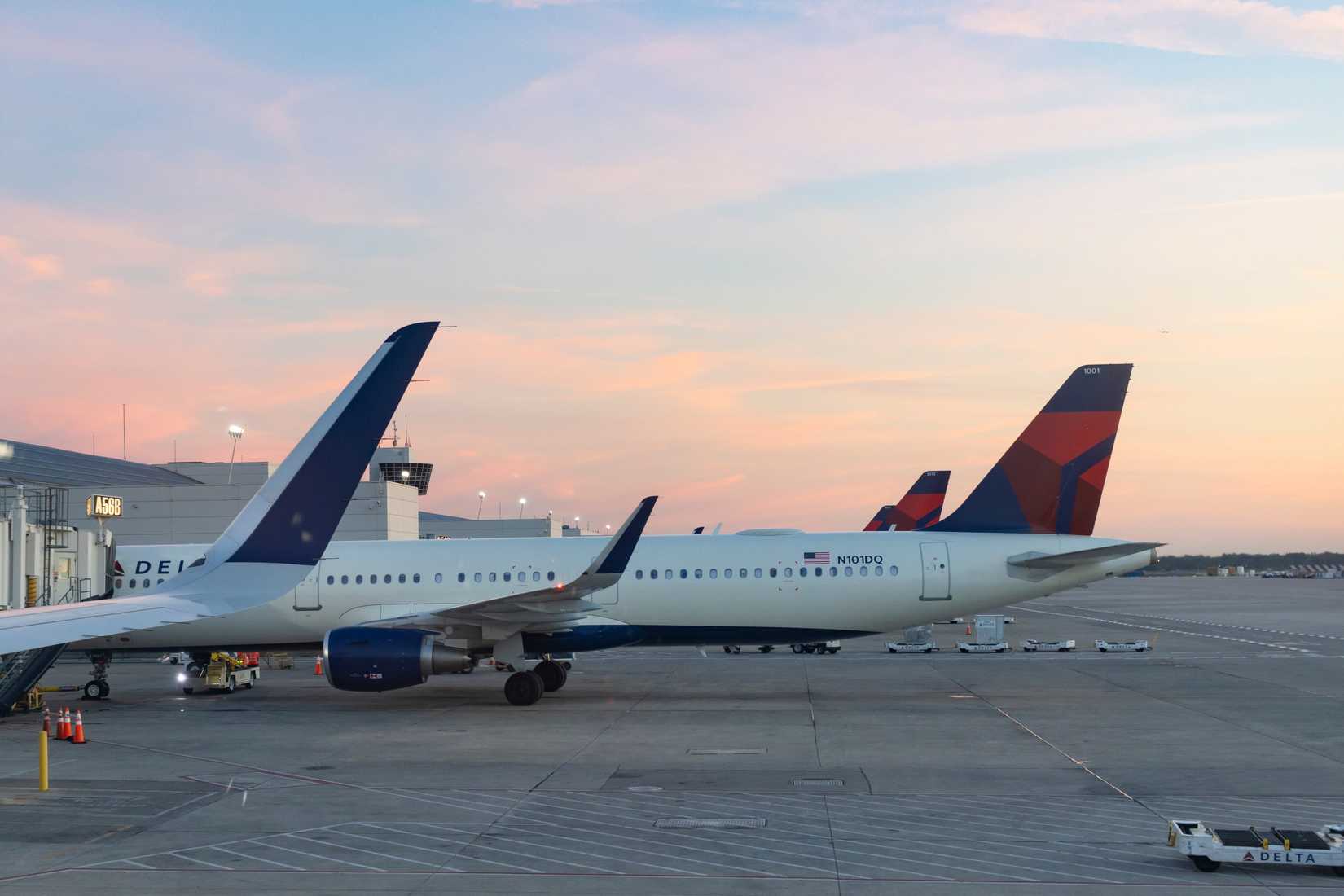
A Delta Air Lines Airbus A321, registered N363DN and operating as DL1334 from Atlanta to Fort Lauderdale, returned to Hartsfield-Jackson Atlanta International Airport on Thursday, August 13, after the flight crew declared an emergency roughly 15 minutes into the flight. The aircraft had departed from runway 27R and stopped its climb at approximately 5,900 feet after a technical malfunction developed, subsequently prompting a 7700 emergency squawk and priority handling from ATC. Reports indicate smoke was detected in the aircraft, with a smoky odor reportedly traced to the cockpit area, and the flight crew donned oxygen masks as a precaution—standard procedure under smoke/fumes checklists in the Airbus QRH. The aircraft landed safely back on 27R, taxied clear under its own power, and was met by airport fire and rescue personnel for inspection. No injuries were reported, though the disruption pushed the flight's departure back more than two and a half hours, with passengers eventually arriving in Fort Lauderdale roughly three hours behind schedule.
For working pilots, this event is a textbook illustration of appropriate crew decision-making when confronted with an ambiguous but potentially serious in-flight abnormality. Smoke or fume events are among the more challenging non-normal situations because the source—electrical, hydraulic, engine bleed air, APU, or avionics—is often not immediately identifiable, and checklists are designed to address the symptom aggressively rather than wait for root-cause diagnosis. The decision to stop the climb at under 6,000 feet and return to the departure airport rather than continue toward an alternate or the original destination reflects sound risk management: returning to a known airport with full ARFF response, maintenance infrastructure, and gate support minimizes unknowns during an already elevated-workload event. That ATL is Delta's largest hub and headquarters made the return even more logical, but the same principle applies broadly—crews are trained to prioritize the nearest suitable airport with adequate services over pressing onward, even when time or schedule pressure exists.
The incident also underscores the continued industry-wide vigilance around smoke, fire, and fumes events, which remain a persistent focus for the FAA, NTSB, and manufacturers despite their rarity relative to overall flight volume. These events routinely rank among the more common triggers for air turnbacks and diversions across the airline industry, and they consistently validate crew resource management training, checklist discipline, and the value of maintaining proficiency in donning oxygen masks and executing emergency descents or immediate landings when warranted. For Part 121 carriers, each such event also feeds into safety management system (SMS) data collection, informing maintenance trend monitoring on fleet-wide issues that might otherwise go unnoticed in isolated incidents.
More broadly, this event fits into a familiar pattern reported extensively by outlets like Simple Flying: precautionary returns and diversions that generate headlines due to emergency squawks and visible responses (fire trucks, oxygen masks) but ultimately resolve without injury. For corporate and business aviation operators, the takeaway is similarly applicable at smaller scale—regardless of aircraft size or operating certificate, a conservative response to smoke or unusual odors, immediate coordination with ATC, and a return to a suitable airport with maintenance and emergency resources represents best practice, not overreaction. As investigators work to determine the specific technical cause aboard N363DN, the event will likely feed into Delta's and Airbus's broader reliability tracking for the A321 fleet, reinforcing that thorough post-incident inspection—rather than resuming revenue service prematurely—remains the appropriate response when the source of an in-flight anomaly is not immediately confirmed.







 Read original article