Delta Air Lines’ Own CEO Often Doesn’t Fly In Premium Cabins: Here’s Why
Delta Air Lines CEO Ed Bastian's habit of flying in Main Cabin or Comfort+ rather than Delta One, even as his airline has built its entire brand identity around premium suites, glass doors, and curated wine lists, reveals a deliberate operational philosophy rather than a PR gesture. Bastian, an accountant by training who joined Delta in 1998, steered the carrier through Chapter 11 restructuring before taking the CEO role in 2016, and his approach reflects that finance-and-operations background: sitting mid-cabin lets him observe boarding friction, overhead bin crunches, Wi-Fi reliability, seatback IFE glitches, galley bottlenecks, and lavatory queues firsthand, the same pain points that rarely surface in boardroom slide decks. By avoiding the premium cabin, he also sidesteps displacing a Medallion elite or a paying customer from an upgrade, preserving the integrity of the loyalty system he has spent a decade building into one of the airline's most profitable assets.
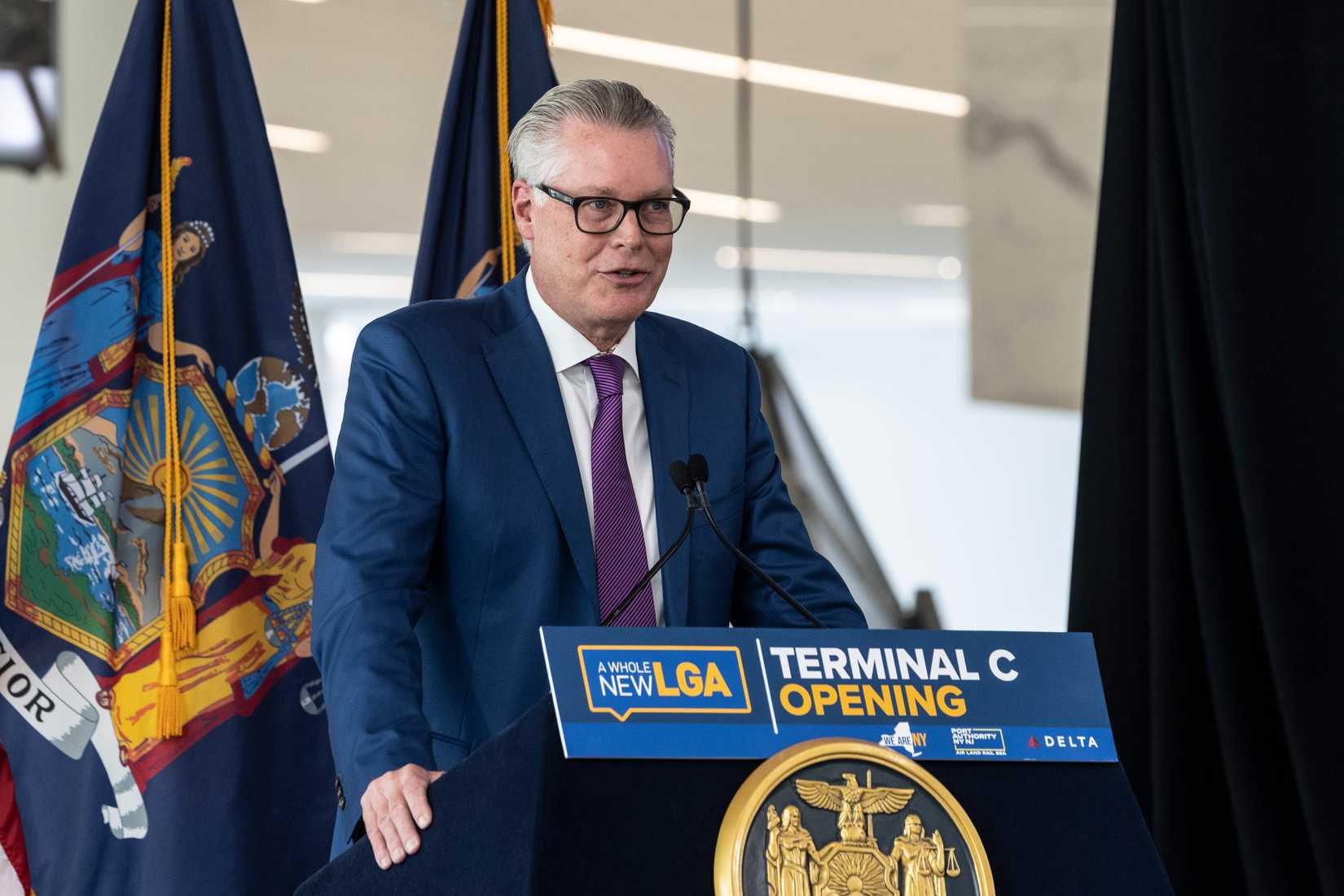
For working pilots and flight crews, this pattern matters because it signals how a major airline's top leadership prioritizes frontline-informed decision-making over detached executive observation. Bastian is described as walking aisles and soliciting direct feedback from flight attendants and passengers, which shapes decisions on scheduling discipline, irregular-operations recovery, and service consistency that flight crews execute daily. Airlines that maintain strong operational reliability, tighter schedules, faster IRROPS recovery, consistent crew resourcing, tend to reduce the friction pilots experience with delays, misconnects, and reactive crew scheduling. A CEO who values ground-truth operational feedback over abstracted metrics is more likely to fund the kind of infrastructure and staffing investments, seen in Delta's LGA, LAX, and SLC rebuilds, that directly ease flight-deck and cabin workload rather than merely burnishing the premium image marketed to elite travelers.
The broader significance lies in what this says about the tension between premium-cabin economics and operational reality across the industry. Delta, along with United and American, has increasingly leaned on premium products, Delta One Suites, Premium Select, co-brand credit card revenue, and loyalty ecosystems, as the primary profit engine, often outpacing traditional economy yields. Bastian's own conduct, though, is a reminder that this premium strategy only works if the underlying operational product, on-time performance, crew execution, baggage handling, aircraft reliability, remains sound. His approach echoes a broader industry conversation about executives and airline leadership staying grounded in frontline realities as carriers scale complex fare structures (Basic Economy, Comfort+, First, Delta One) that create more segmentation points where things can go wrong operationally.
For business aviation and corporate flight departments, the episode is also a useful case study in leadership visibility and culture-building applicable beyond commercial carriers: chief pilots, directors of operations, and flight department managers often benefit from similarly embedding themselves in frontline operations, jumpseat rides, crew debriefs, passenger-facing observation, rather than relying solely on dashboards and incident reports. As airlines continue to diversify revenue through MRO scaling (Delta TechOps), SAF partnerships, and loyalty monetization, the fundamental lesson from Bastian's economy-seat habit is that sustained premium branding and profitability depend on leadership staying connected to the unglamorous, high-friction realities of day-to-day flight operations, a discipline relevant to any pilot or operator navigating the balance between commercial ambition and operational execution.






 Read original article