Why United Airlines Is Deliberately Removing 35 Seats From Its Boeing 787-9 Dreamliner On Houston Long-Hauls
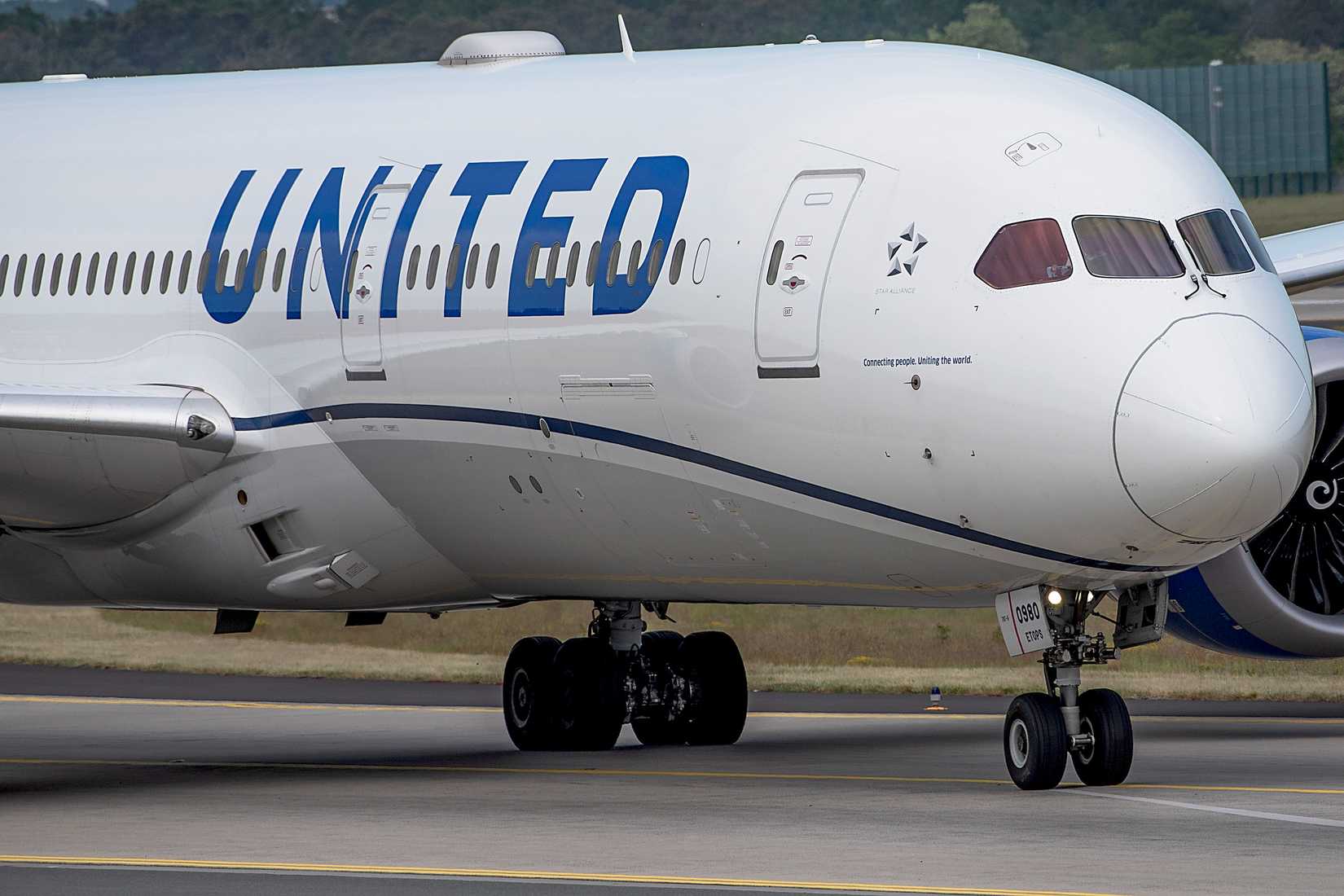
United Airlines' decision to strip 35 seats from its newest Boeing 787-9 Dreamliners represents a significant departure from the industry's default playbook of maximizing seat count to spread fixed operating costs. Beginning October 24, aircraft configured with the new "Elevated" interior will fly Houston (IAH) routes to São Paulo, Tokyo-Narita, and Sydney, with London Heathrow joining in January 2027. The reconfigured jets carry 222 passengers versus 257 on standard 787-9s, but nearly 45% of that cabin—99 seats—is dedicated to Polaris business class and Premium Plus, compared to roughly 27% on the standard layout. The centerpiece is a new eight-seat "Polaris Studio" subclass at the business-class bulkhead, featuring larger suites, privacy doors, oversized entertainment screens, and ottomans for companion dining, sold either as a standalone fare or as a $499 upsell for existing Polaris ticket holders. This is not a reintroduction of international first class but a stratified premium-business product designed to capture incremental spend without the operational complexity of a separate cabin.
For working pilots, particularly those flying widebody international routes, this reconfiguration signals continued evolution in how mainline carriers deploy their long-haul fleets and crew resources. Aircraft with heavier premium mixes often carry different weight and balance profiles, catering loads, and service timelines that affect turn planning and cabin crew staffing ratios—Polaris Studio's companion-dining ottomans and expanded soft-product service will likely require adjusted flight attendant-to-passenger staffing on those tail numbers. Pilots bidding these routes may also see IAH's long-haul international lineup elevated in scheduling priority, as United signals which routes it considers strategically premium. More broadly, this move reflects how legacy carriers are using cabin configuration itself as a competitive and financial lever, a trend flight crews should expect to see replicated across other fleet types as airlines continue chasing the same high-yield international traveler.
The economic logic behind removing capacity is grounded in unit economics that matter to anyone flying long-haul metal: fuel burn, crew costs, landing fees, and maintenance overhead are essentially fixed per departure regardless of load factor, so the only lever left is yield per seat. United's bet—backed by an 11% increase in 2025 premium revenue—is that a smaller number of high-paying passengers in Polaris and Premium Plus can outperform a fuller economy cabin, especially on ultra-long-haul sectors like Sydney and São Paulo where flight times exceed ten hours and business travelers place a premium on privacy and rest. This mirrors decisions already made by carriers like Delta, which has aggressively grown Delta One suites, and reflects a broader "less is more" premiumization trend spreading across the industry as airlines recognize that filling every economy seat at deep discount fares often erodes margins more than it helps them.
This shift also has downstream implications for aircraft manufacturers, MRO providers, and corporate flight departments watching the widebody market. As airlines like United dedicate more cabin real estate to premium products, business aviation operators may find increased competitive pressure—or, alternatively, validation—as commercial carriers narrow the comfort gap between premium economy/business class and private charter. For Part 91/135 operators and corporate flight departments, the trend underscores that demand for privacy, personal space, and flexible high-touch service remains robust even amid commercial aviation's push toward efficiency, reinforcing the value proposition of business aviation even as airlines attempt to replicate elements of that experience within a scheduled-service framework. United's willingness to sacrifice raw capacity for revenue quality also suggests other legacy carriers may follow suit on their own next-generation widebody deliveries, meaning pilots across the industry should expect continued diversification in cabin configurations, crew requirements, and route economics tied to premium-heavy retrofits in the years ahead.




 Read original article