How An Ex-Iberia Boeing 757 Is Shaping Europe's Sixth-Generation Fighter
The transformation of a 26-year-old ex-Iberia Boeing 757-200 into "Excalibur," a flight test aircraft for the Global Combat Air Programme (GCAP), illustrates a well-established but increasingly critical practice in modern fighter development: using modified commercial airliners as flying laboratories for next-generation military systems. Leonardo UK, one of the three prime partners in GCAP alongside BAE Systems and Japan's IHI/Mitsubishi consortium, is leading the $146 million effort with test-and-evaluation specialist 2Excel under the Team Tempest banner. Now sporting side pods and a heavily modified nose section, the aircraft (MSN 29308, ex-EC-HIR) will progress through a phased test regime—first validating its structural modifications, then onboard mission systems, and eventually carrying full "technical data packages" representative of the eventual fighter's sensor suite, including the Multi-Function Radio Frequency System radar, electronic warfare suites, infrared search-and-track, and electro-optical systems.
For working pilots, especially those in business aviation, corporate flight departments, and commercial operations, this story is a reminder of how much airliner and biz-jet airframes quietly underpin the defense-industrial ecosystem well beyond their original mission profiles. A 757, originally built to fly narrow-body trunk routes for Iberia and later serving as a TUI Airways charter aircraft, now hosts sensor fusion trials, electronic warfare pods, and eventually radar arrays for a sixth-generation stealth fighter. This is not an isolated case—Boeing, Airbus, and Dassault all maintain testbed fleets built on commercial platforms (including Airbus's own "Excalibur" A321 and "CATFISH" A340, and Lockheed's 757-based "Catfish"), and the trend reflects a broader industry reality: large, roomy, power-generous jet transports offer far more economical and lower-risk environments for validating new avionics, sensors, and data-fusion architectures than building bespoke prototypes or relying solely on ground simulation. Pilots flying similar aircraft types in commercial service may eventually see spillover benefits, as lessons learned in integrating complex sensor networks and autonomy-enabling communications architectures on these testbeds can inform future civil avionics and connectivity standards.
The Excalibur program also underscores the growing centrality of "manned-unmanned teaming" concepts in future combat aviation, a theme with parallels in the civil world's own push toward advanced autonomy, urban air mobility, and single-pilot operations. GCAP's design philosophy—an optionally crewed sixth-generation fighter operating alongside autonomous Collaborative Combat Aircraft (CCAs)—requires exhaustive real-world validation of how a "mothership" platform can command, fuse, and share data with uncrewed assets in contested electromagnetic environments. Testing this at scale demands an aircraft with sufficient payload, power, and cabin volume to host racks of prototype computing hardware, which is precisely why a decommissioned airliner like the 757 was selected over a smaller business jet or dedicated military testbed. This mirrors similar efforts by Lockheed Martin, Boeing, and Airbus's FCAS-adjacent programs, all of which lean on repurposed airliners to de-risk technology before it reaches flight-test-limited, cost-prohibitive fighter prototypes.
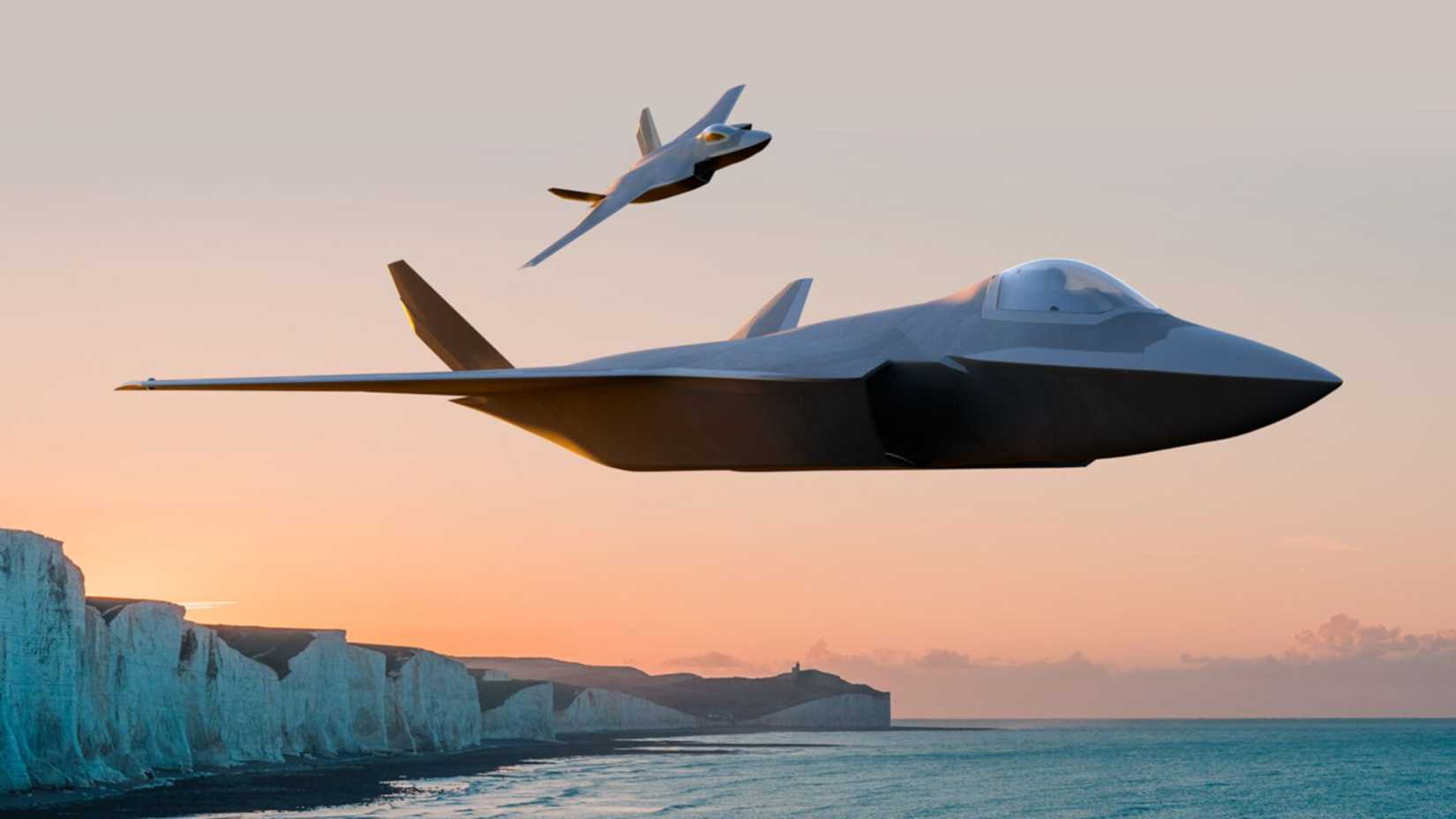
More broadly, this development fits into the accelerating pace of sixth-generation fighter competition among the U.S. (NGAD), Europe's dual efforts (GCAP and the separate Franco-German-Spanish FCAS), and China's emerging programs. GCAP, backed by the UK, Italy, and Japan, is positioning itself as the leading export-oriented sixth-gen platform, and testbed programs like Excalibur are a visible signal of program maturity and industrial commitment ahead of a target in-service date near 2035. For aviation professionals tracking the intersection of commercial and defense aerospace, the Excalibur story is a useful case study in how airframe longevity, adaptability, and abundant internal volume—hallmarks of a well-built commercial jet like the 757—can extend an aircraft's operational relevance decades beyond its original airline service, even as it takes on a mission entirely removed from passenger transport.








 Read original article