From 76 F-22 Raptors To 200 Next-Gen Fighters: How Much Larger America's Air Superiority Fleet Could Get
The U.S. military's stealth fighter fleet is on the cusp of a generational expansion that will fundamentally reshape American air power over the next decade. The F-35 Lightning II program, already the largest fighter procurement in history with over 1,300 delivered against a planned run exceeding 3,000, has normalized stealth as the baseline standard across the Air Force, Navy, and Marine Corps. Layered atop that foundation is the emerging sixth-generation tier: the Air Force's F-47, awarded to Boeing in March 2025 under the Next Generation Air Dominance (NGAD) program, and the Navy's parallel F/A-XX effort, which Congress revived in early 2026 with an additional $900 million after the program was shelved to prioritize the F-47. Combined, these sixth-gen platforms are projected to reach roughly 500 airframes across services, while the real force-multiplier lies in Collaborative Combat Aircraft (CCA) — autonomous drone wingmen expected to number over 1,000, with each crewed fighter potentially paired with two or more uncrewed platforms. For pilots, this signals a shift from solo or two-ship tactical thinking toward manned-unmanned teaming as the default combat employment model.
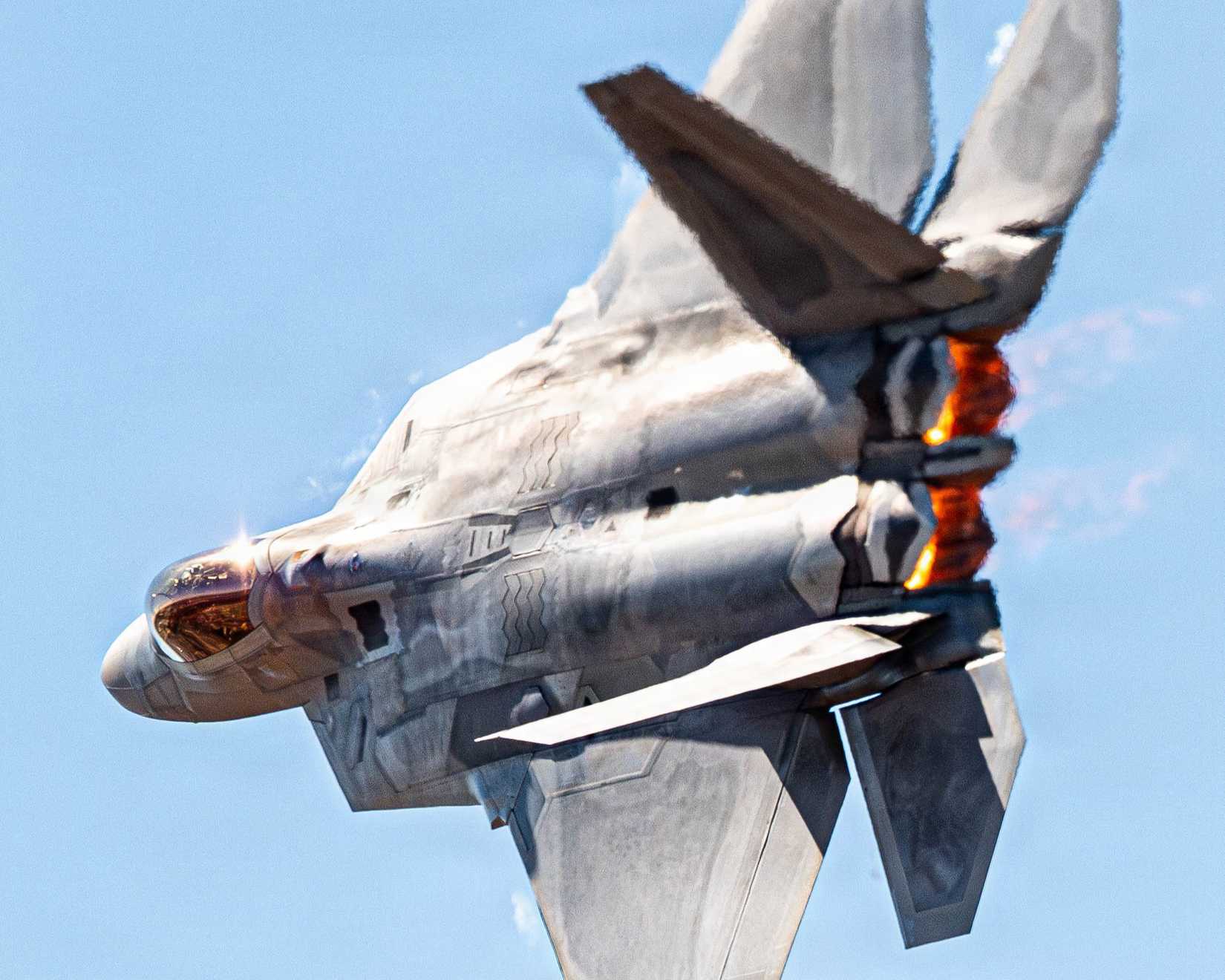
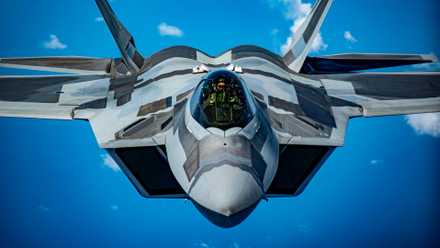
The F-22 Raptor's story looms large as a cautionary tale shaping current procurement philosophy. Originally planned for 750 airframes but truncated to 186 due to budget tradeoffs favoring counterinsurgency-era priorities, the Raptor fleet's mission-capable rate hovered around 40% in 2024, leaving fewer than 100 combat-ready jets at any given time. That readiness shortfall — despite the F-22 remaining arguably the most capable air-superiority platform in service — has become the central argument for why the F-47 and F/A-XX programs must avoid repeating the "silver bullet" mistake of building a boutique fleet too small and too expensive to sustain attrition or extended conflict. Air Force Chief of Staff Gen. David Allvin's stated goal of keeping F-47 unit costs below the F-22's roughly $150 million (against a $300 million congressional estimate) reflects direct lessons learned from the Raptor's premature production shutdown. For squadron-level planners and maintenance officers, this history underscores how procurement economics directly translate into operational tempo and aircraft availability years later.
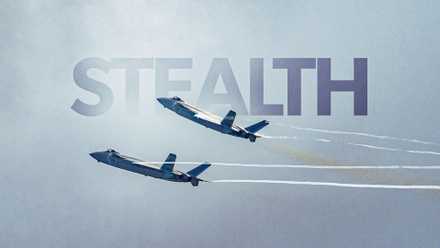
The timeline pressure is where this story intersects most directly with strategic competition. Analysts cited from the National Security Journal suggest the F-47 program is already up to four years behind China's development pace, with the Chengdu J-20 having gone from prototype to fielded fighter in just six years compared to the F-22's 15-year gestation. Variable-cycle engine technology remains the current bottleneck, not expected to mature until 2030, pushing F-47 first flight to roughly the end of 2028 and full operational capability for both the F-47 and F/A-XX into the mid-2030s. For military aviators and defense-sector professionals, this compressed but still lagging timeline matters because it shapes force-structure decisions happening now — how long legacy fourth-gen fleets (F-15EX, F/A-18E/F Super Hornet, F-16) must be sustained as bridge platforms, and how CCA development accelerates to offset manned-fighter production delays.
Beyond the military-specific implications, this buildout reflects broader trends reshaping the entire aviation industrial base. The scale of F-35 production has already demonstrated that stealth and advanced avionics can be manufactured at rates unimaginable during the F-22 era, a lesson directly informing F-47 and F/A-XX cost targets. Meanwhile, the CCA program's emphasis on autonomy and swarming tactics parallels civil aviation's own gradual movement toward reduced-crew operations and autonomous systems, suggesting cross-pollination of technology and regulatory thinking between military and commercial sectors in coming decades. For corporate and business aviation operators, the ripple effects are less direct but still relevant: increased defense spending on advanced airframes, engines, and autonomy will likely accelerate supplier capacity, materials science, and workforce development that eventually filter into civil aerospace manufacturing, much as stealth-era composites and fly-by-wire systems did in previous decades.







 Read original article