Vietnam Airlines Boeing 787 Substantially Damaged After Dangerously Late Munich Takeoff
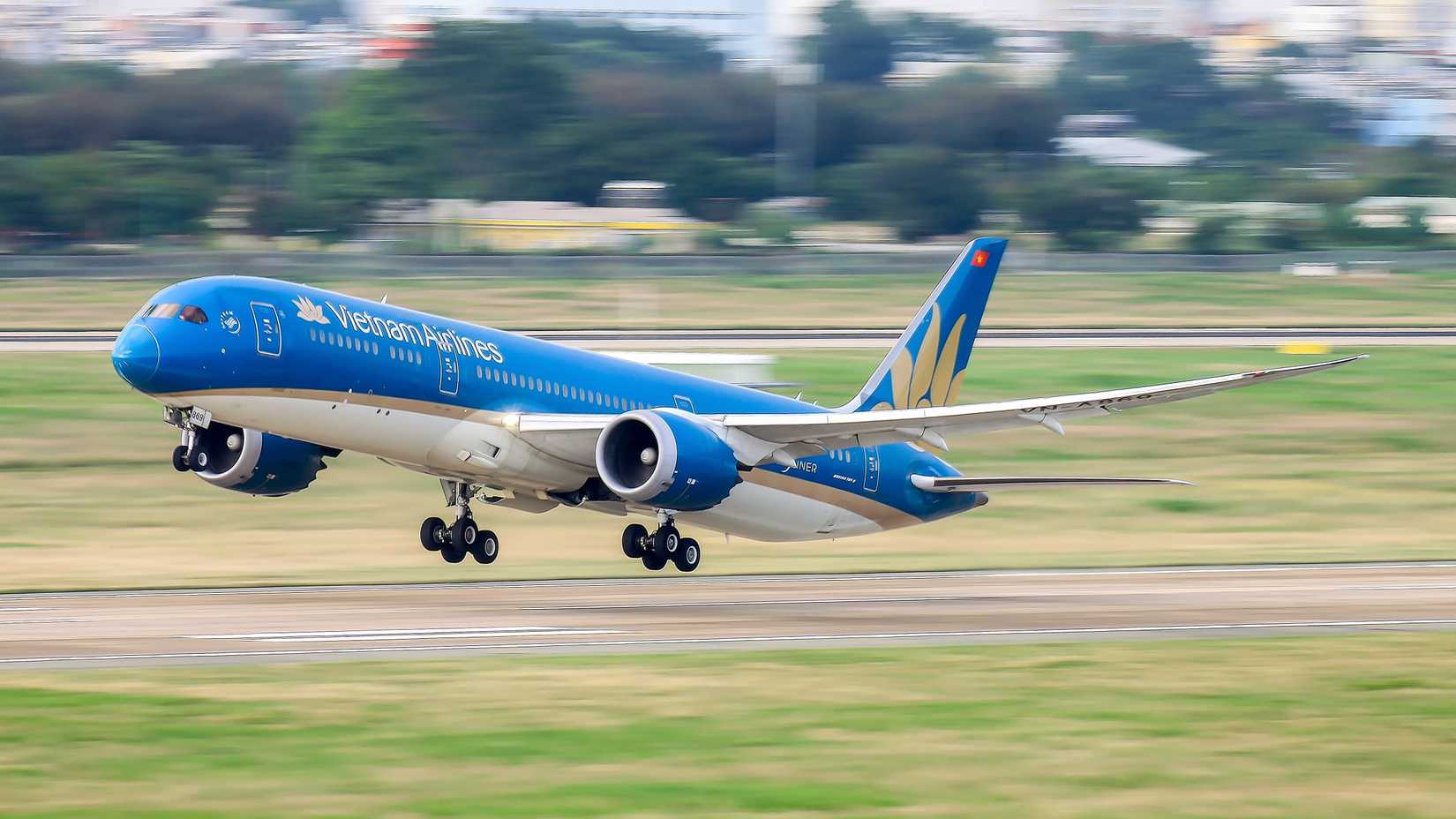
A Vietnam Airlines Boeing 787-9 (registration VN-A867) suffered a serious tail strike and runway excursion during takeoff from Munich Airport on August 15, 2026, in an incident that came uncomfortably close to catastrophe. Flight VN34, bound for Hanoi, rotated dangerously late off Runway 26L, striking its tail and overrunning the runway end, an area rarely reached by departing aircraft, while kicking up plumes of dust and damaging runway lights in the process. The crew climbed to FL100 before a tire pressure indication prompted a return to Munich, followed by a two-hour fuel dump and two low approaches before a landing on Runway 26R with the left main gear reportedly trailing smoke. Damage assessments indicate the tail strike module was breached, with a clear puncture through the lower fuselage, torn composite skin, and heavy scraping along the aft fuselage — damage severe enough that industry observers expect the aircraft to be out of service for months. No injuries were reported among crew or passengers, but the sequence of events, particularly the late rotation and runway overrun, has drawn immediate scrutiny from German investigators.
For working pilots, this incident is a stark reminder of how takeoff performance calculations sit at the intersection of automation trust and manual vigilance. Germany's BFU is expected to lead the investigation, and one of the primary lines of inquiry will be whether incorrect data or configuration was entered into the flight management computer — a scenario eerily reminiscent of past widebody takeoff performance accidents, such as Emirates' 2009 Melbourne overrun and various incidents tied to erroneous weight, thrust, or V-speed inputs. If flawed data drove an underpowered or mistrimmed rotation attempt, it underscores why cross-checking FMC entries against paperwork, and maintaining a healthy skepticism toward computed performance numbers, remains essential even in highly automated flight decks. The fact that the aircraft nearly failed to get airborne before running out of runway — only becoming airborne at the very edge of the pavement — suggests a margin so thin that any further delay in rotation could have resulted in a far more serious accident, potentially with fuel-laden wreckage off the runway end.
The incident also highlights the operational complexity of managing an in-flight emergency immediately after a structural event. The crew's decision to climb to FL100, methodically dump fuel for roughly two hours, and fly two low approaches before committing to landing reflects sound CRM and adherence to procedure under pressure, especially given the added complication of a tire pressure fault discovered airborne. This measured response, despite the visible severity of the tail strike, likely prevented a bad situation from becoming worse and will be studied as a case example in recurrent training discussions around tail strikes, aborted rotations, and post-strike systems checks, particularly regarding hydraulic, pressurization, and landing gear integrity after a fuselage breach near the aft pressure bulkhead area.
More broadly, the event adds to a growing list of recent widebody takeoff performance incidents that have renewed industry attention on FMC data entry protocols, weight-and-balance verification, and the human factors surrounding rushed or high-workload departures. For an airline like Vietnam Airlines, which is expanding its long-haul European network with a fleet mix of A350s and 787s, the loss of a widebody for an extended maintenance period — potentially involving a major composite fuselage repair or write-off consideration — carries real fleet-planning and schedule-reliability consequences. For the broader industry, the incident will likely reinforce calls for enhanced electronic checks or alerting systems designed to catch anomalous performance calculations before they reach the runway, a topic regulators and manufacturers have periodically revisited since earlier high-profile takeoff performance accidents. Until the BFU's findings are published, airlines and pilot groups will be watching closely for lessons applicable to their own SOPs on data verification, tail-strike recovery, and decision-making during ambiguous post-departure system faults.







 Read original article