Why The Boeing 767 Refuses To Die Nearly 45 Years After Its 1st Flight
The Boeing 767's remarkable longevity nearly 45 years after its 1981 first flight illustrates a broader truth in aviation: an airframe's commercial success is rarely determined by a single market segment, but by its adaptability across passenger, cargo, and military roles over a multi-decade lifecycle. While Delta and United—the two largest remaining US passenger operators—have committed to retiring their 767-300ER and 767-400ER fleets by 2030, and Japan Airlines targets 2028 with A321neo replacements, the type is simultaneously experiencing a second and third life as a freighter and as the backbone of American aerial refueling capability. This divergence between passenger and cargo/military fates is not unusual for widebody jets nearing the end of their commercial run, but the scale of the 767's cargo and defense relevance is unusually large, driven largely by FedEx Express, UPS, and the US Air Force's KC-46 Pegasus program.
For working pilots, particularly those flying for Delta, United, or legacy cargo carriers, the 767's phase-out timeline is directly relevant to fleet planning, training pipeline decisions, and seniority-list dynamics. An average passenger fleet age of nearly 29 years at United signals imminent type retirements that will reshape bidding, base assignments, and equipment transitions over the next several years. Meanwhile, pilots flying for FedEx and UPS should expect the 767 to remain a fixture of their operations for decades—FedEx's freighter fleet averages just seven years old, with production of new-build 767-300Fs only now winding down ahead of a 2027 hard deadline at Boeing's Everett facility. That deadline, driven by financial charges, labor disruption, and corporate restructuring, marks a symbolically significant moment: the end of an assembly line that has run continuously since the early 1980s, even as demand for the airframe persists in secondary and tertiary markets.
The cargo industry's embrace of the 767 also reflects a distinct operating philosophy that differs meaningfully from passenger aviation, and it's a philosophy pilots transitioning between segments should understand. Overnight hub-and-spoke scheduling rewards reliability and dispatch availability over marginal fuel efficiency, and freight operators can pass fuel costs to customers in ways passenger carriers competing on fare price cannot. This explains why FedEx and UPS are bypassing next-generation freighter options like the A350F and 777-8F in favor of continuing to acquire and convert 767 airframes—both new-build and passenger-to-freighter conversions sourced from retiring Delta, United, and international fleets. Pilots should expect a steady pipeline of P2F conversion aircraft entering cargo service well into the 2030s and 2040s, extending the type's operational relevance long after its passenger-carrying days end, with cargo airframes routinely pushing 35-40 years of service versus 25-30 for passenger jets.
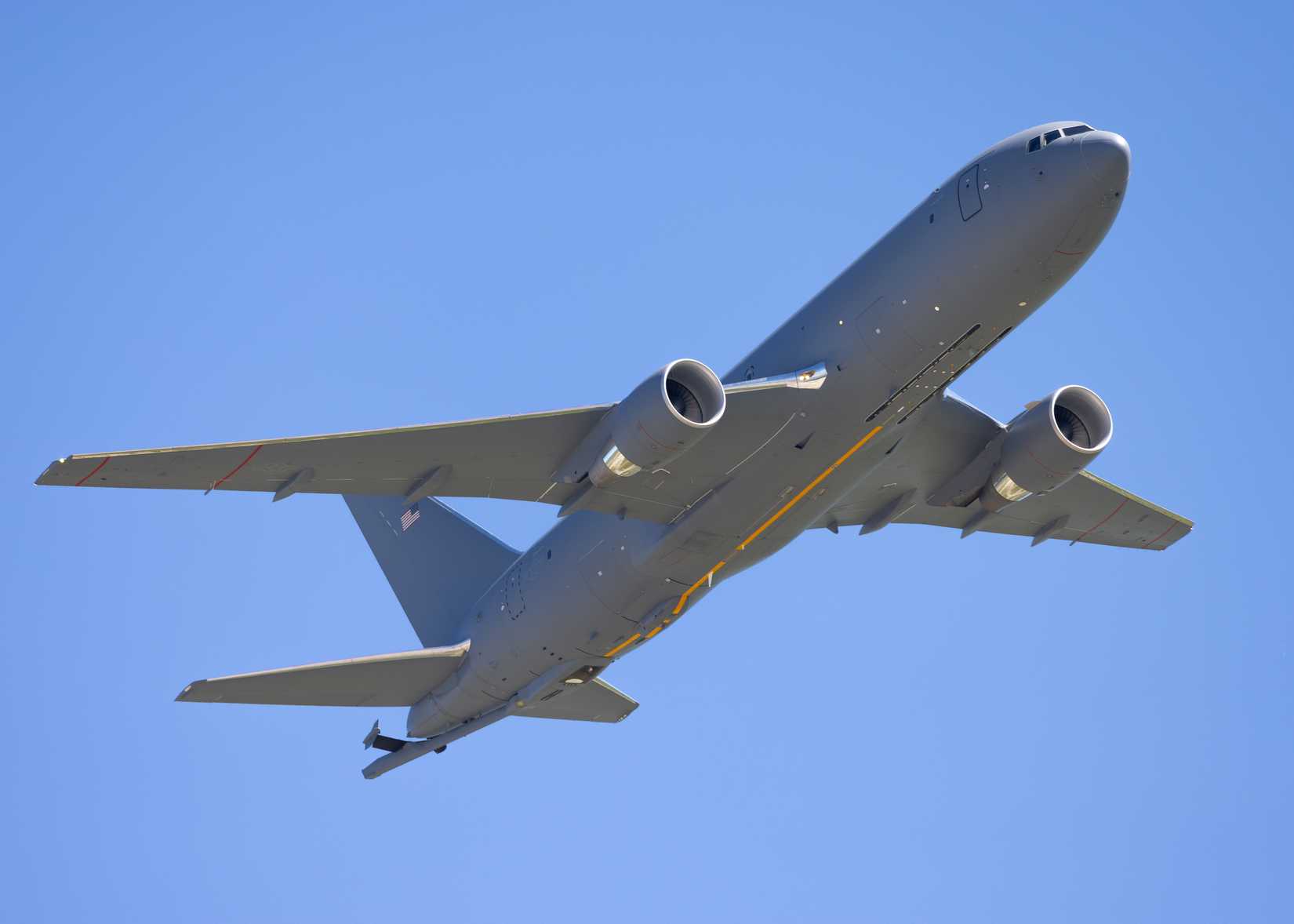
The military dimension adds yet another layer of durability to the platform. With over 100 KC-46A Pegasus tankers delivered to the US Air Force by the end of 2025, and deliveries expected to continue into the 2030s, the 767 airframe will remain in frontline military logistics service for decades beyond that, mirroring the extraordinarily long service life of the KC-135 it is replacing. For military and contract pilots, as well as civilian pilots who may eventually transition to or from Air Mobility Command assignments, this underscores how the 767's rugged landing gear, proven GE CF6 engines, and right-sized payload continue to deliver value in demanding, high-utilization environments where dispatch reliability trumps cutting-edge efficiency. Broadly, the 767's story reinforces a recurring pattern in aviation: airframes optimized for durability and operational flexibility often outlive their original commercial purpose, finding sustained relevance in cargo and defense markets even as passenger airlines move decisively toward newer, more fuel-efficient twin-aisle types like the A350 and 787.










 Read original article