The World's 10 Largest Airports In Operation
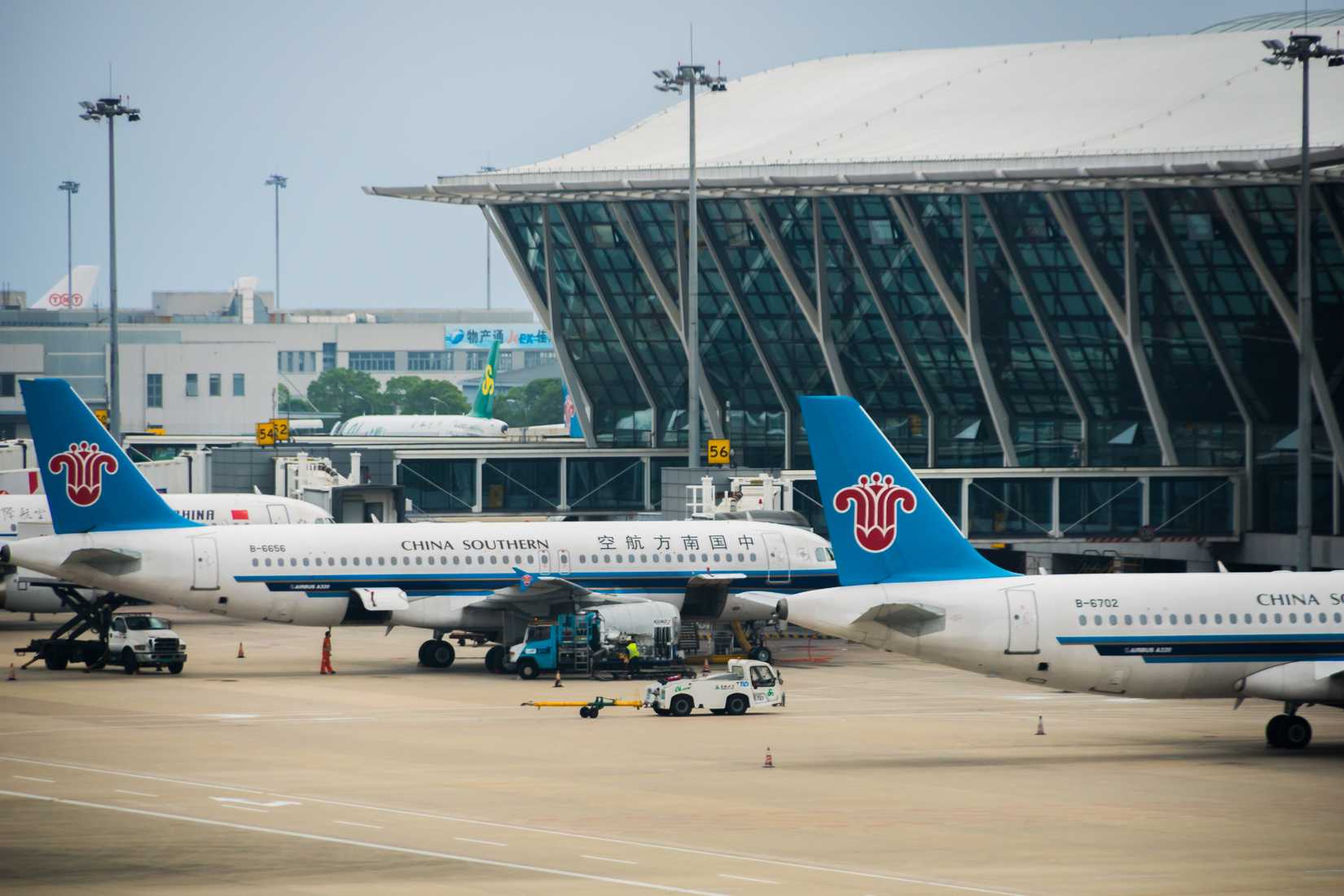
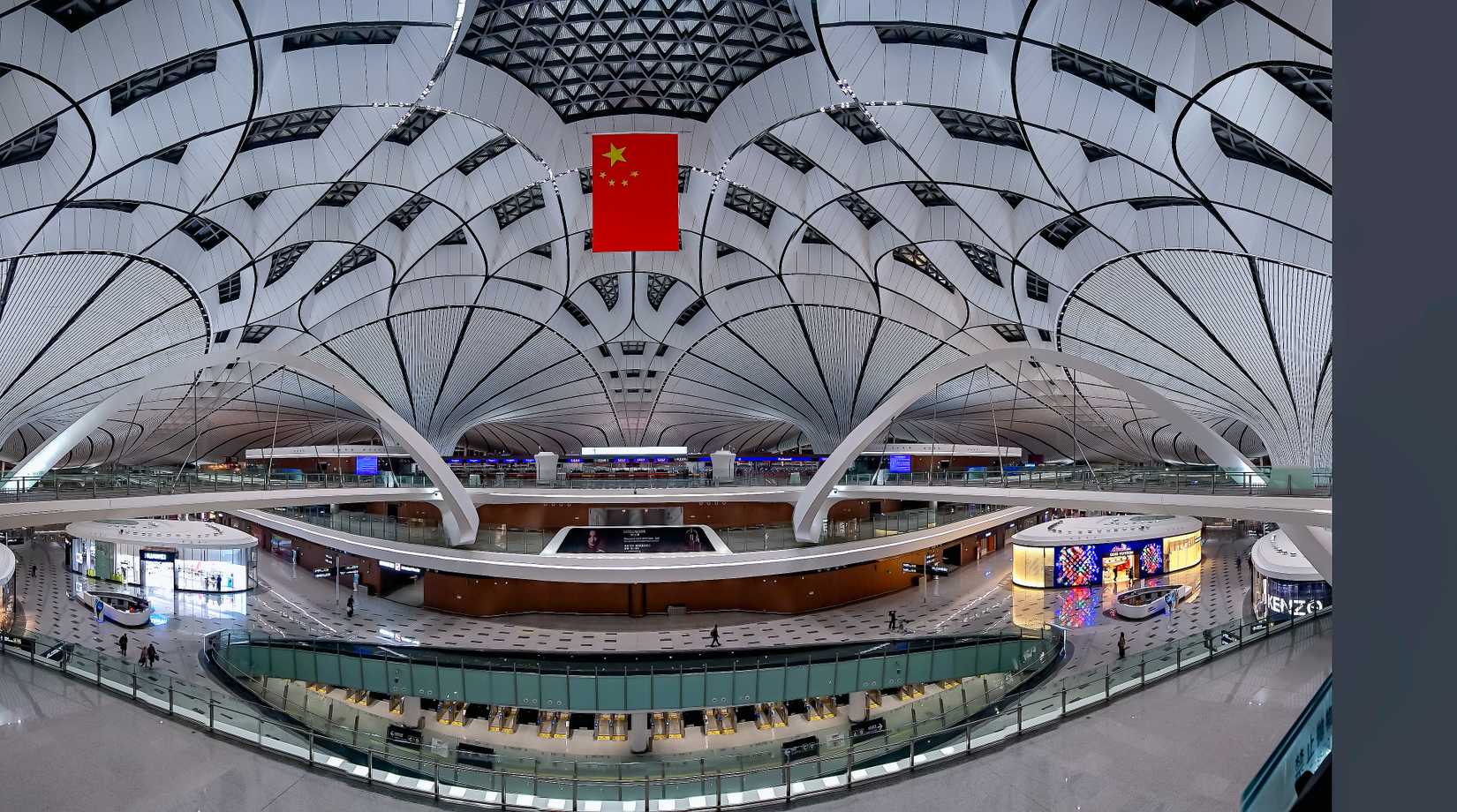
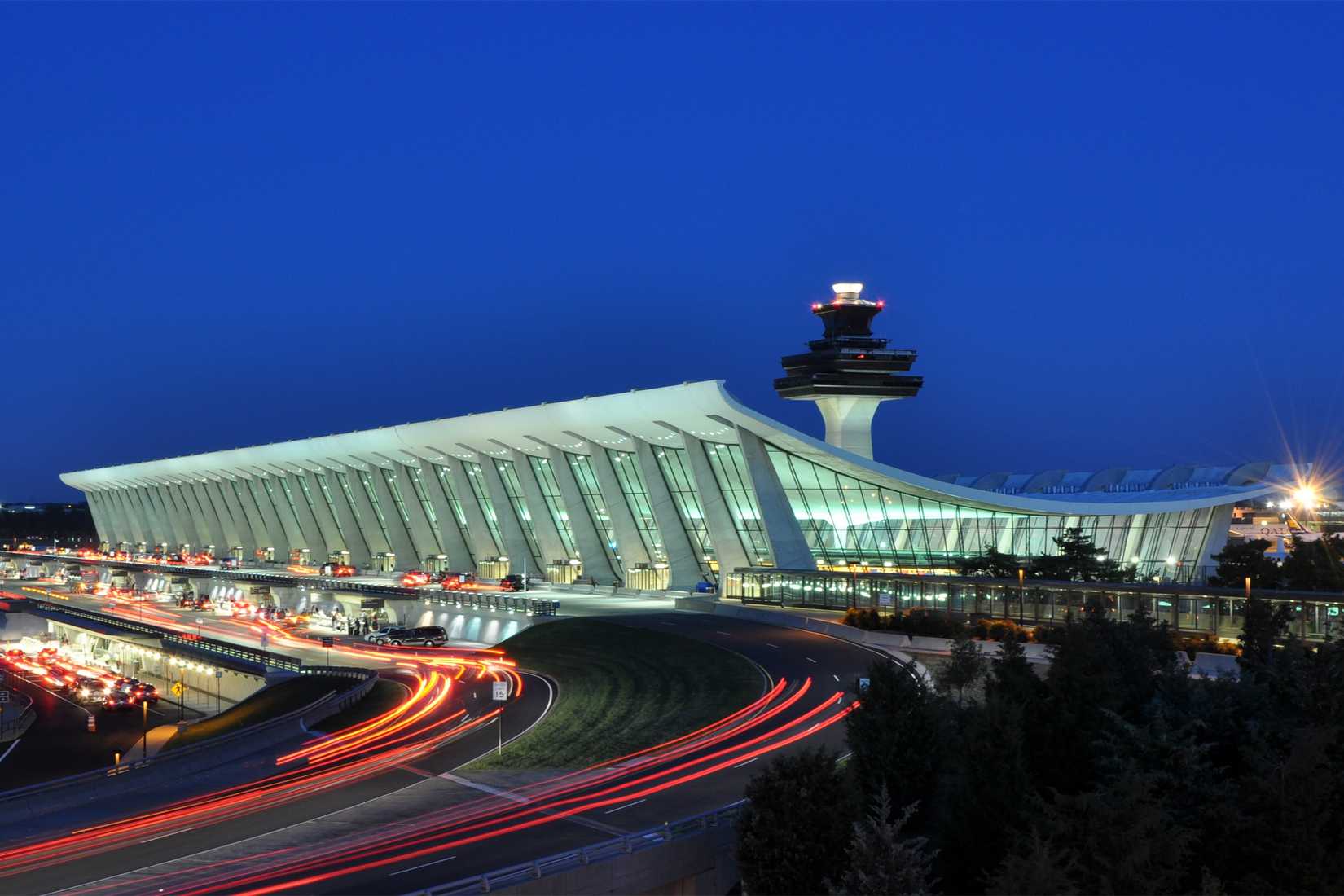
The world's ten largest airports by land area reveal a striking pattern that has less to do with passenger volume rankings and more to do with strategic space allocation for future growth. The list, compiled from World Atlas data and cross-referenced against official airport sources, spans from Shanghai Pudong International Airport at 40.0 km² up through facilities exceeding 47 km², with the piece noting that several of the largest are found in China, the Middle East, and the United States. Notably absent from the discussion of top performers by traffic—airports like Atlanta Hartsfield-Jackson or Dubai International, which dominate passenger throughput rankings—land area rankings instead favor airports built with expansion headroom baked into their original master plans, such as Beijing Daxing (opened 2019, 47.0 km²) and Washington Dulles (opened 1962, 47.8 km²). This distinction matters because raw acreage, not annual enplanements, is what ultimately governs an airport's long-term capacity ceiling.
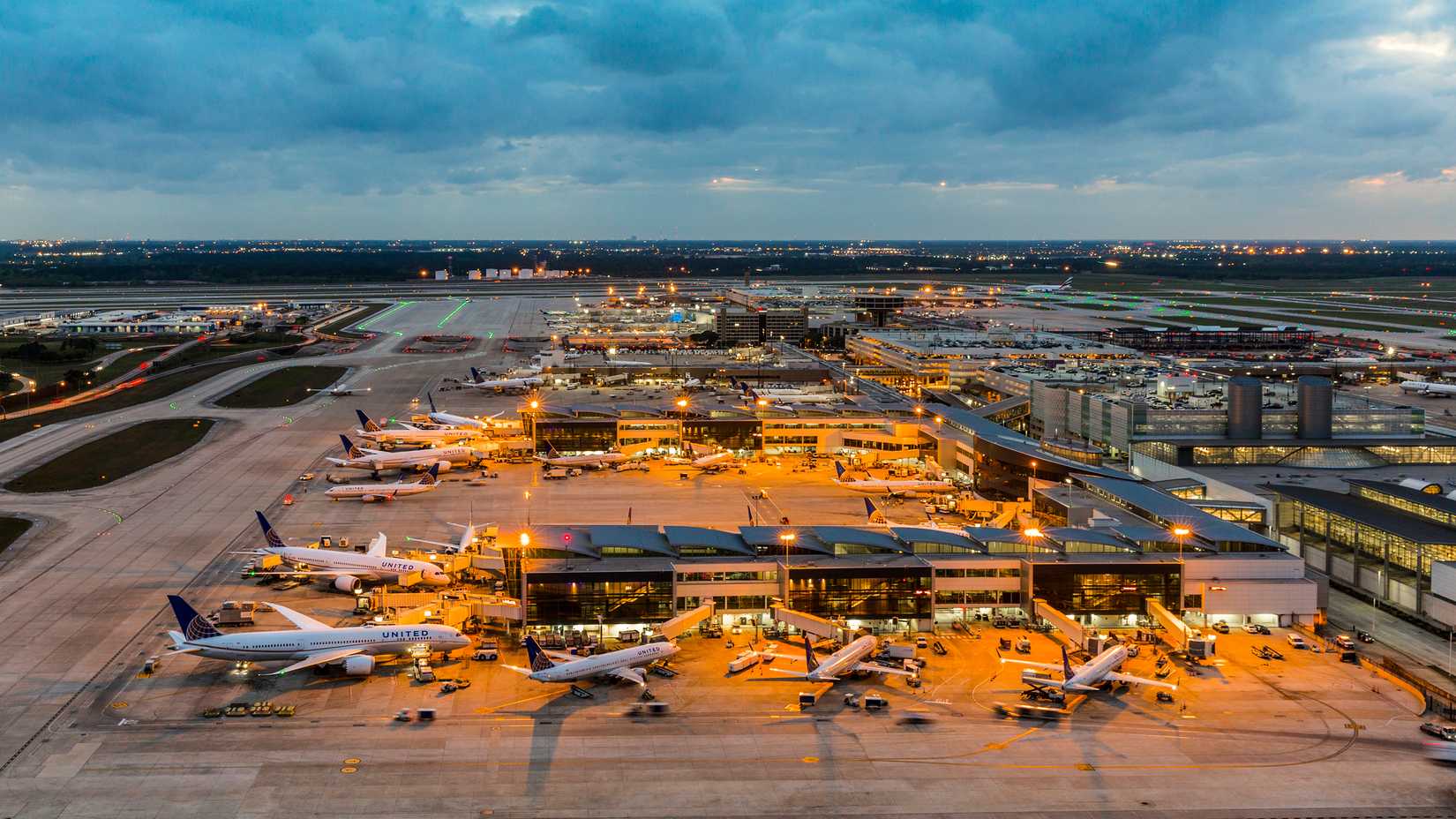
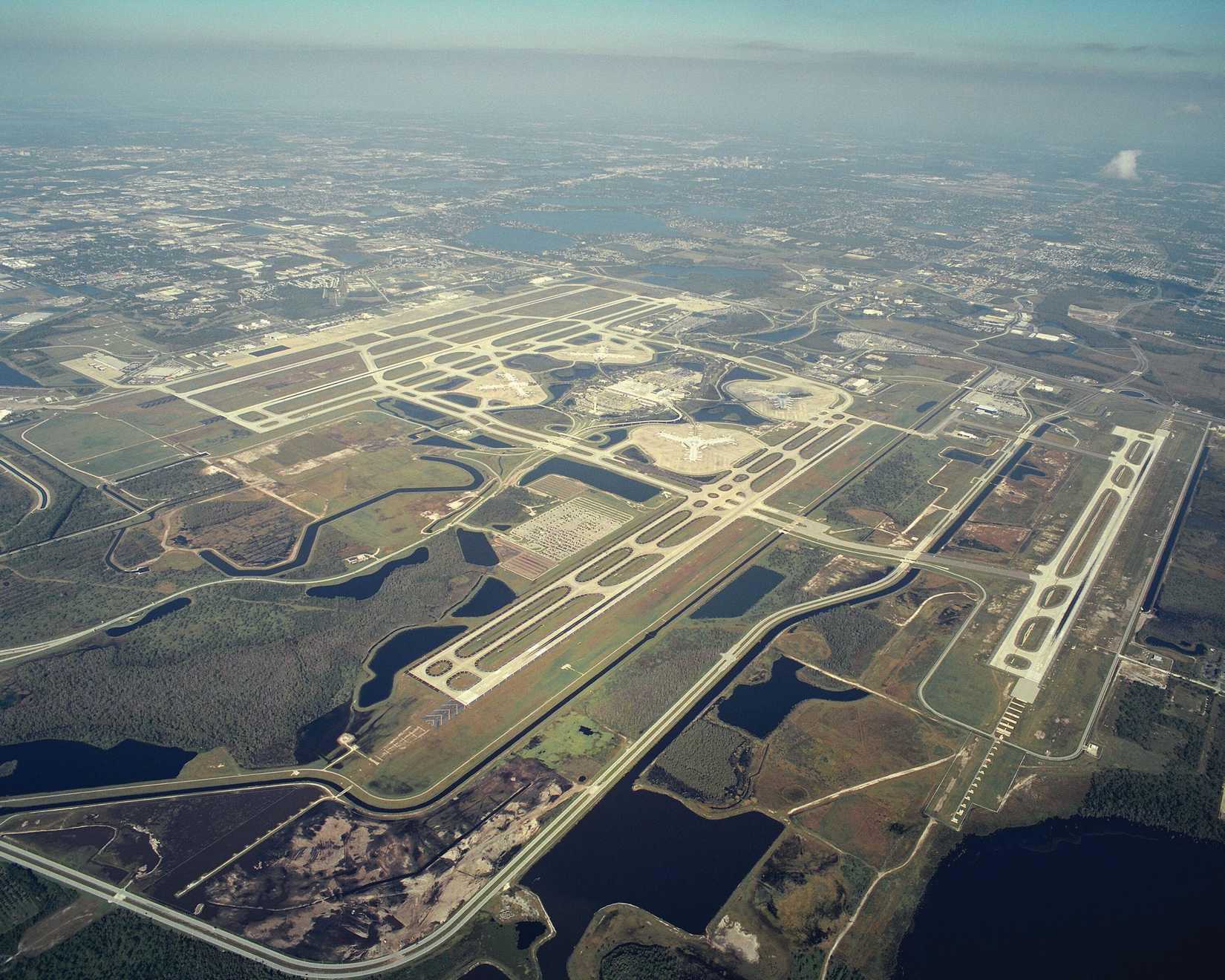
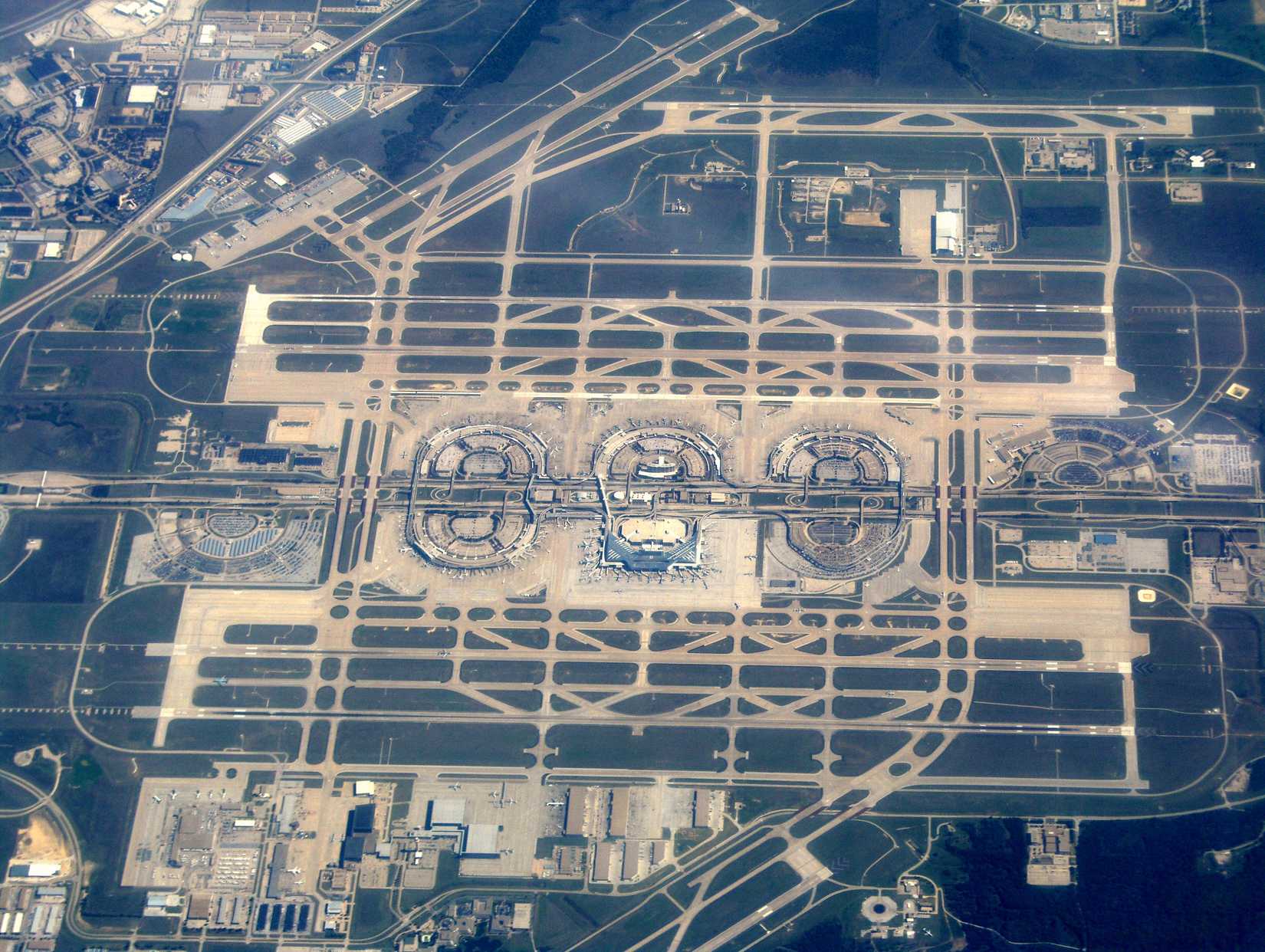
For working pilots, airport footprint size correlates directly with operational characteristics that affect daily flying: taxi times, runway separation, ground movement complexity, and the availability of parallel or widely spaced runway configurations that support simultaneous independent operations in low-visibility conditions. Sprawling fields like IAH, MCO, and IAD typically offer more generous taxiway networks and less congested ramp areas than land-constrained legacy hubs, but they also mean longer taxi-out times, more complex ground control instructions, and greater fuel burn during surface movement—all practical considerations for flight planning and fuel reserves. Airports built on former military airfields or greenfield sites, like Orlando and Daxing, were designed from inception with multi-runway, multi-terminal capacity in mind, which generally translates to smoother traffic flow and less gate-hold delay compared to airports that expanded incrementally within tight urban footprints.
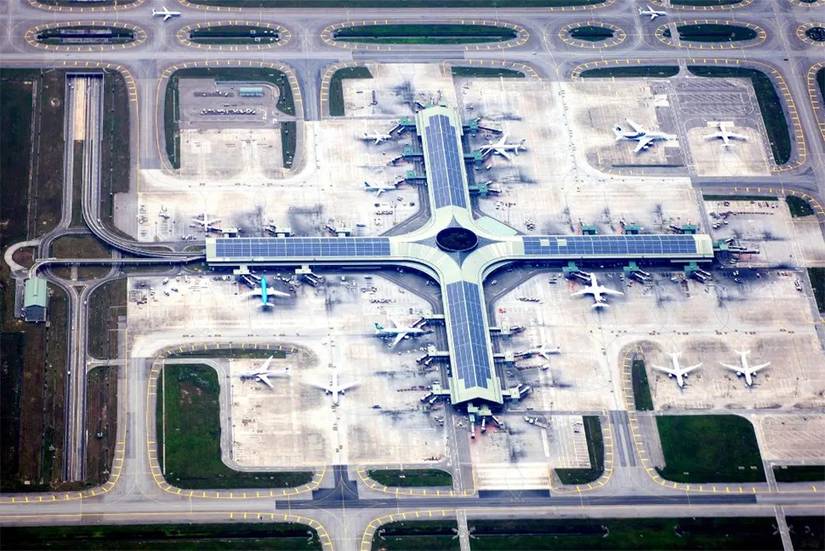
The prominence of newer mega-airports like Beijing Daxing—engineered with a starfish-shaped terminal allowing sub-10-minute walks to any gate—reflects a broader trend in global aviation infrastructure investment, particularly across Asia and the Gulf region, where governments are building airports as 50-year strategic assets rather than reactive expansions. This stands in contrast to much of the legacy US and European airport system, where land constraints imposed by surrounding urban development limit runway additions and force capacity gains through terminal optimization, taxiway reconfiguration, or NextGen airspace procedures rather than outright acreage growth. Houston's IAH and Orlando's MCO both illustrate an American middle path: airports with enough acquired land to support ongoing terminal and runway expansion projects tied to regional economic growth in energy, trade, and tourism sectors.
For flight departments, charter operators, and airline network planners, these land-area rankings serve as a useful proxy for evaluating an airport's future slot availability, its resilience to congestion-driven delays, and its capacity to absorb new international routes or cargo growth without near-term infrastructure bottlenecks. As global air traffic continues recovering and expanding post-pandemic, airports with generous physical footprints are better positioned to add runways, de-icing pads, cargo apron space, and remote parking without the politically fraught land acquisition battles that constrain hubs like LaGuardia or London Heathrow. Understanding which airports have room to grow—versus those operating at or near their physical limits—offers operators a longer-term lens on where congestion, delay propagation, and slot competition are likely to intensify in the decade ahead.



















 Read original article